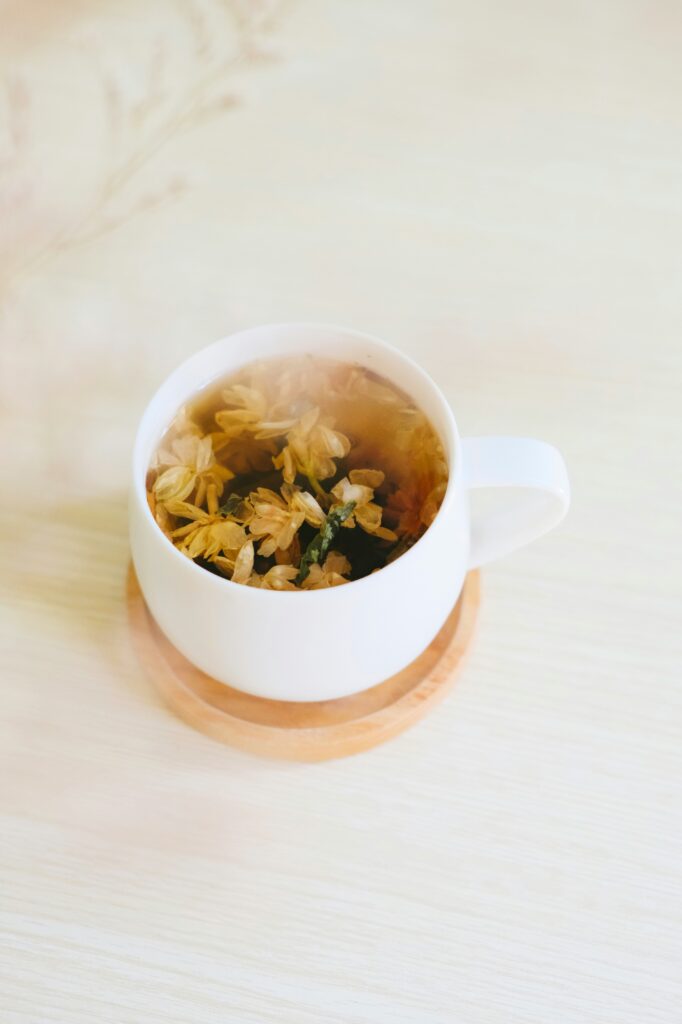
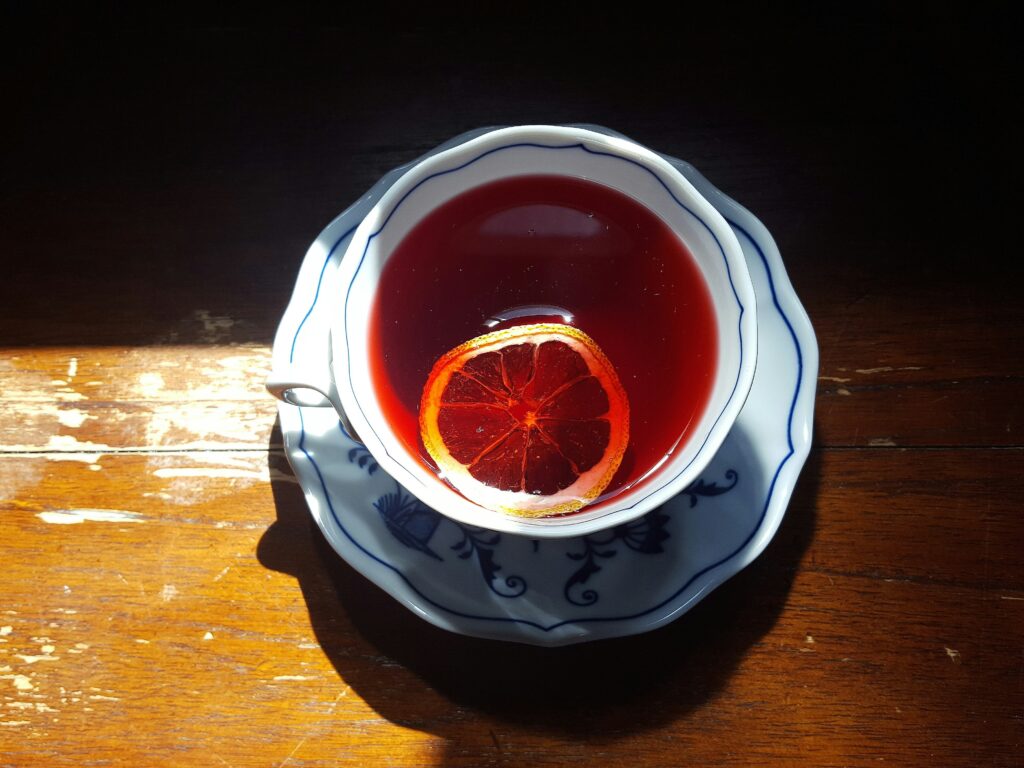
After a long day, your body needs a chance to unwind. A warm mug of herbal tea can offer that pause. It’s more than just a drink; it’s a simple ritual that tells your body, “Now you can let go.”
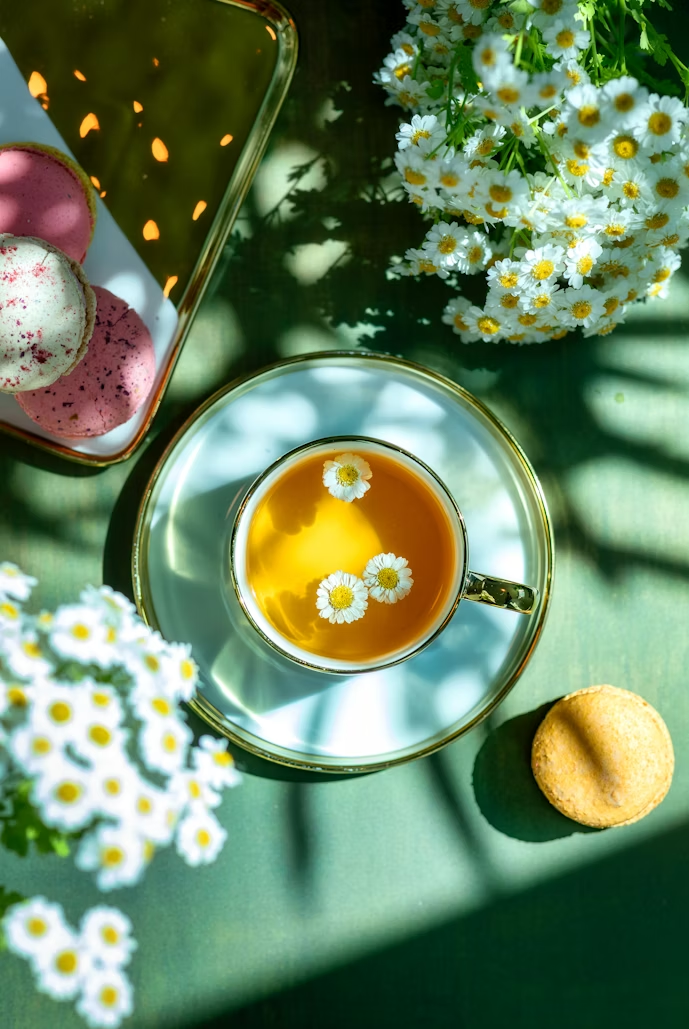
Table of Contents
Try anchoring this ritual to a tiny, repeatable cue—like the moment you fill your kettle or hear the water begin to boil. Each time, pause for a deep breath or let yourself smile softly as you wait. Pairing this small celebration with your tea ritual trains your mind and body to associate these micro-moments with relaxation, making calm an automatic part of your day.
These three DIY stress relief tea recipes combine herbs with proven effects on stress, each with its own profile. Not sure where to start? Pause for a quick self-check: Are you feeling wired and restless, wiped out and fatigued, or just looking for something gentle to help with daily stress? The first blend is calming for the evening, the second is uplifting for fatigue, and the third is extra gentle—ideal for daily use or if you’re just starting with herbal tea for relaxation.
You can easily adjust all these recipes to suit your taste or use whatever herbs you have available.
Why These Herbs Work (Brief Explanation)
The herbs in these recipes have been shown in research to help with stress, anxiety, or sleep. They mainly work in two ways:
GABA enhancement: GABA is a key calming chemical in your brain. Herbs such as lemon balm, passionflower, and lavender help boost GABA activity, which soothes your nervous system and quiets racing thoughts.
HPA axis regulation: Adaptogenic herbs like ashwagandha and rhodiola help balance the HPA axis, which controls your stress hormone, cortisol. This can make you more resilient and help your body handle daily stress better. While many people find adaptogens helpful, research is still ongoing, and results can differ between studies. Typical tea recipes use one to two teaspoons of dried root per cup, but effects may vary depending on the dose and the person. Some research shows benefits, while other studies find little or no effect, especially at lower doses. If you’re curious about adaptogens, listen to your body and adjust the amount gradually, and consult a healthcare professional if you have any questions.
Drinking tea is a gentle and easy way to get these benefits. The simple act of making tea—boiling water, smelling the herbs, and sipping slowly—also helps your body relax by turning on your rest-and-digest system. For an even deeper sense of calm, try using your senses as mindful checkpoints: Notice the warmth of the mug in your hands, breathe in the aroma of the herbs, and pay attention to the first sip as it moves through your mouth. Taking these small moments to feel, smell, and taste your tea can help your mind settle and further activate your body’s relaxation response.
Recipe 1: Evening Calm Blend (For Deep Relaxation & Sleep)
Best for: If your mind is busy at night, you have trouble falling asleep, or you feel stress as tension in your body.
Ingredients
- 2 teaspoons dried lemon balm (Melissa officinalis)
- 1 teaspoon dried passionflower (Passiflora incarnata)
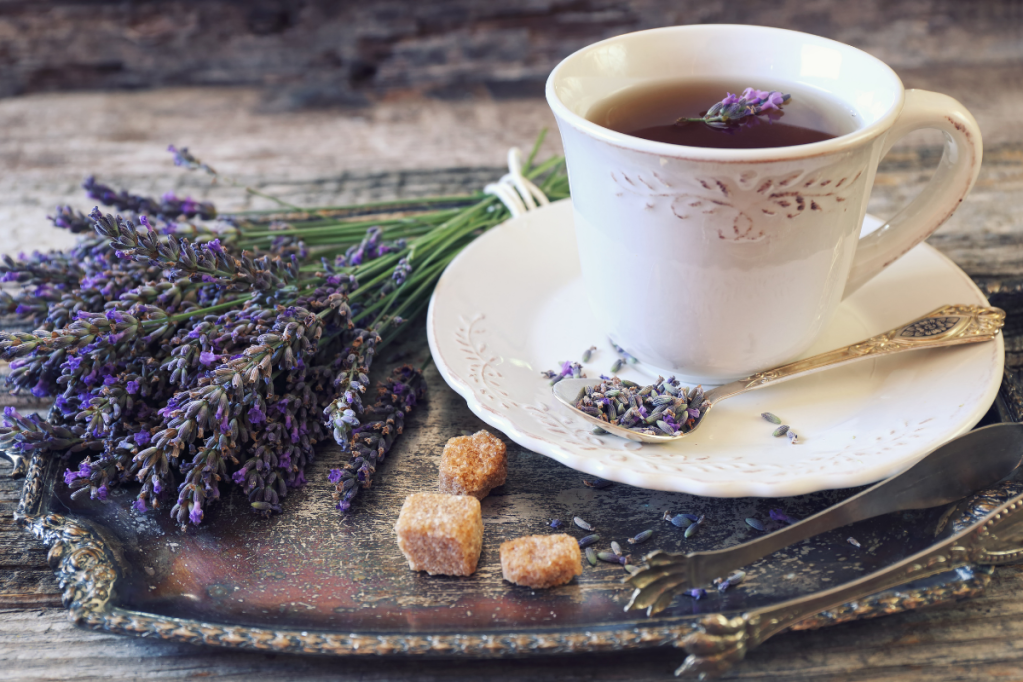
- 1 teaspoon dried lavender flowers (Lavandula angustifolia)
- 1/2 teaspoon dried chamomile (optional, for extra gentleness)
- Honey or maple syrup to taste (optional)
Preparation
- Boil 500 ml of water, then let it cool for one minute until it’s about 90 to 95°C.
- Place the herbs in a teapot or large glass with a strainer.
- Pour the hot water over the herbs.
- Cover and let the tea steep for 10 to 15 minutes.
- Strain. Add honey if desired.
How to use: Drink one mug 30 to 60 minutes before you go to bed.
Why This Combination Works
Lemon balm helps GABA stay in your brain longer, which makes you feel calmer. Studies show it can lower anxiety and improve sleep, making it a great base for an evening tea. In one research study, participants took around 300 to 600 mg of lemon balm extract per day for two weeks and saw reduced anxiety and better sleep quality. In the recipe above, using 2 teaspoons of dried lemon balm per cup is the herbalist-recommended amount for tea and offers a gentle, safe dose when consumed regularly. Most people find the best results when enjoyed daily for at least a couple of weeks, as seen in these trials. https://pubmed.ncbi.nlm.nih.gov/34449930/
Passionflower works on GABA_A receptors, like some calming medicines, but in a gentler way, and helps quiet a busy mind. Research has shown that it improves sleep quality and helps people sleep longer.
Lavender brings extra calm thanks to compounds like linalool, which boost GABA and lower glutamate, a stimulating brain chemical. Even just the scent can quickly help reduce anxiety.
Chamomile (optional) has apigenin, which also works on GABA receptors. It gives the tea a gentle, sweet flavor and makes the blend even more soothing.
Flavor Profile
You’ll notice a fresh lemon scent from the balm, floral notes from lavender and passionflower, and a soft, mild taste. The tea stays light and not bitter if you steep it for the right amount of time.
Recipe 2: Energy & Resilience Blend (For Stress With Fatigue)
Best for: If you feel worn out from ongoing stress, have low energy, but your mind is still busy, or are close to burnout.
Ingredients
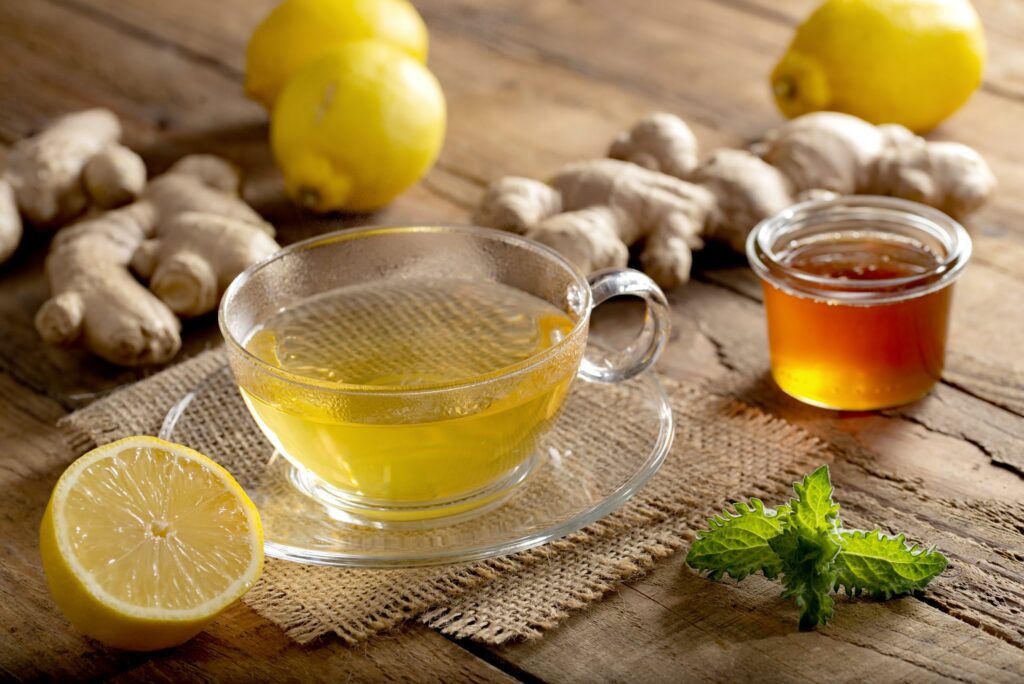
- 1 teaspoon rhodiola powder or small root pieces (Rhodiola rosea), or substitute with tulsi (holy basil), or use green tea for a gentle energy boost if rhodiola is hard to find
Note: If rhodiola is hard to find, tulsi (holy basil) is another adaptogen with stress-reducing properties, or use green tea for a gentle energy lift without adaptogenic effects.
- 1 teaspoon ashwagandha powder or root pieces (Withania somnifera)
- 1 teaspoon dried peppermint (Mentha piperita)
- Half a teaspoon of grated fresh ginger root, or a quarter teaspoon of dried ginger powder
- 1/2 teaspoon rooibos (optional, for rounding and antioxidants)
- Honey or lemon juice to taste
Preparation
- Bring 500 mL of water to a boil.
- Add rhodiola, ashwagandha, ginger (and rooibos) to the boiling water.
- Let the mixture simmer gently on low heat for 10 to 15 minutes. This helps extract the goodness from the roots.
- Take the pot off the heat, add the peppermint, cover it, and let it steep for another five minutes.
- Strain. Add honey or lemon juice if desired.
How to use: Drink this tea in the morning or early afternoon. Avoid drinking it right before bed, since rhodiola and ashwagandha can give you a bit of energy.
Why This Combination Works
Rhodiola is an adaptogen that’s especially helpful for stress-related tiredness. It boosts important brain chemicals, supports brain health, and helps balance your stress response. This can lead to clearer thinking, a better mood, and more resilience.
Ashwagandha works alongside rhodiola by lowering high cortisol, helping balance your stress system over time, and boosting calming brain activity. While rhodiola lifts your energy, ashwagandha helps your body reset and relax.
Peppermint brings a fresh taste and helps with digestion, which can be affected by stress. It also covers up the slightly bitter flavor of the root herbs.
Ginger warms you up, fights inflammation, and boosts circulation. It also helps your body absorb the helpful compounds from the roots.
Rooibos (optional) gives the tea a sweet, nutty flavor and is rich in antioxidants.
Flavor Profile
The tea tastes earthy and a bit bitter from the roots, with a fresh, tingly kick from peppermint and ginger, and a smooth finish from rooibos. It feels grounding but also gently energizing.
Recipe 3: Everyday Ease Tea (Gentle & Accessible)
Best for: Mild everyday stress, feeling nervous, digestive discomfort, or if you’re new to herbal teas.
Ingredients
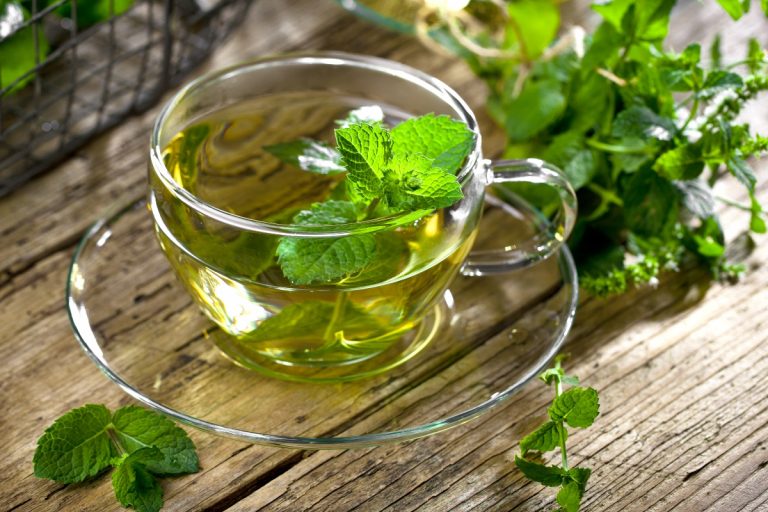
- 2 teaspoons dried lemon balm
- 1 teaspoon dried chamomile
- Half a teaspoon of fennel seed (Foeniculum vulgare, helps with digestion)
- Half a teaspoon of rose petals (Rosa spp., optional, for a touch of luxury*)
- Honey to taste
Preparation
- Boil 500 mL of water, then let it cool for one minute.
- Place all herbs in a teapot.
- Pour the hot water over the herbs, cover, and let them steep for 7 to 10 minutes.
- Strain and add honey if desired.
How to use: Drink this tea during the day when you feel tense, or enjoy it after lunch as a relaxing break.
Why This Combination Works
This is the gentle option, with no strong sedatives or adaptogens to build up in your system. It’s ideal for a daily routine.
Lemon balm is still the main ingredient. It’s calming, helps reduce anxiety, and is gentle enough to use often.
Chamomile works on GABA_A receptors through apigenin, similar to passionflower but in a milder way. Studies show chamomile can lower anxiety and help with generalized anxiety disorder (GAD).
Fennel seed helps relax the muscles in your stomach and intestines, which is helpful since stress can upset your stomach. It also gives the tea a mild, sweet licorice-like flavor.
Rose petals add a gentle, heart-opening quality and make the tea feel special. Their scent and taste are comforting and emotionally soothing, adding to the self-care experience.
Flavor Profile
This tea has a soft lemon flavor, is lightly sweet and floral, with a hint of anise. It’s easy to enjoy, even if you usually find herbal teas too strong.
Tips For The Best Results
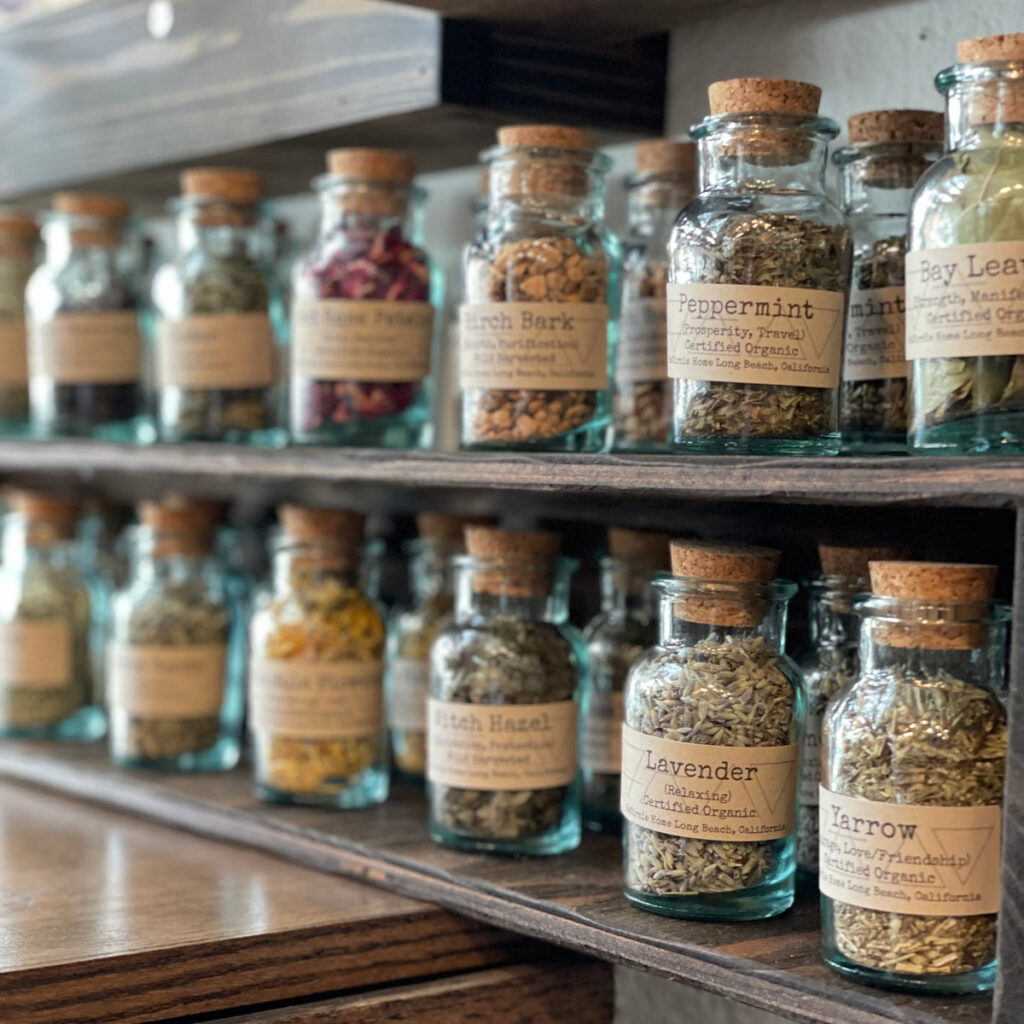
Choose organic, loose herbs when you can. They’re fresher, stronger, and have more essential oils than tea bags. Organic herbs also avoid pesticides, which matters if you drink tea often.
Store properly:
Step 1: Fill airtight glass jars with your dried herbs.
Step 2: Seal the jars tightly to keep air and moisture out.
Step 3: Store the jars in a cool, dark spot.
These steps help your herbs stay fresh for up to a year. Sealing and storing them this way also keeps the volatile oils (like in lavender and peppermint) from evaporating. Those oils contain the calming compounds you want.
Make each cup a sensory ritual: Set your phone aside and listen for the quiet rush of water as it pours over the herbs. As your tea steeps, notice the soft hiss or gentle bubbles. Watch the colors drift and swirl as they deepen, and let the steam carry the aroma to you. When you lift the cup, feel the warmth in your hands, notice the way the light catches in the liquid, and take a slow breath before your first sip. The more you tune into these tiny details, the more your mind and body can unwind.
Be patient: One cup of tea won’t fix long-term stress. Try drinking it daily or a few times a week for four to six weeks to see changes in your sleep, mood, and resilience. To help turn this into a habit, try marking a calendar square or making a small checkmark each time you brew your tea. Seeing your progress build up gives you a clear, gentle reminder of your commitment and can be surprisingly motivating as you move through your trial period.
Combine tea with other healthy habits, like regular sleep, exercise, getting daylight, and setting limits with work and screens. Tea works best as part of a bigger routine.
Safety & When To Be Careful
If you are unsure whether these blends are safe for you, always check the list below before trying any new herbal tea. Skim these quick cautions to stay safe.
These herbs are gentle and safe for most people, but here are a few things to watch out for:
Pregnancy and breastfeeding: Lemon balm and chamomile are usually considered safe in normal tea doses, but passionflower, ashwagandha, and rhodiola haven’t been sufficiently studied. Always discuss use with your doctor or midwife.
Medication interactions: If you use antidepressants, anti-anxiety medication, sleep medication, blood pressure-lowering drugs, or thyroid medication, check first whether these herbs are safe to combine. Ashwagandha can stimulate thyroid activity. Passionflower and lavender can enhance the effect of sedatives.
Thyroid conditions: Be careful with ashwagandha if you have hyperthyroidism or use thyroid hormones. For more on ashwagandha safety, see our complete guide
Driving and operating machinery: Passionflower and lavender can cause drowsiness. Don’t drink evening blends right before driving.
Allergies: If you’re allergic to plants from the Lamiaceae family (mint, lavender), avoid those herbs.
If you have severe symptoms like panic, deep depression, suicidal thoughts, or trouble functioning, please seek professional help. Tea can support you, but it’s not a substitute for therapy or medication.
From Ritual To Resilience
Stress isn’t just in your mind; it affects your whole body, including your nerves and hormones. A cup of homemade herbal tea won’t fix everything, but it can give you a moment to rest. The herbs in these recipes—lemon balm, passionflower, lavender, ashwagandha, and rhodiola—are backed by research. They help with GABA, cortisol, brain chemicals, and inflammation, all of which are involved in chronic stress.
But the ritual itself is just as important. The moment when you stop, boil water, inhale the scent of herbs, and drink consciously activates your parasympathetic nervous system. Each time you repeat this routine, you help retrain your brain to associate these cues with calm. Over time, these repeated moments of relaxation can actually rewire your brain’s stress circuits—a process known as neuroplasticity—making it easier for you to find calm, even during challenging times. You teach your body what rest is again. Over weeks and months, these small moments can help you become more resilient—not because one cup of tea is magical, but because you’re building a daily habit that supports your nervous system.
Pick the blend that suits you, turn it into a daily ritual, and be patient with yourself. Calm takes practice, not just a quick fix.