In 2026, tea is no longer just a comforting drink – it’s your daily ally for targeted wellness. No caffeine jitters, no expensive supplements, just gentle, evidence-based blends that support your body exactly where it needs it most: restful sleep, sharp focus, happy digestion, and a strong immune system. The best part? You can make these best functional herbal tea recipes in five minutes.
As a landscape architect and herbal enthusiast, I’ve personally discovered how powerful a simple mug of tea can be. During stressful project periods – deadlines, studio work, long days on the road – I started every morning with a cup of tulsi tea. It might sound like a small thing, but that habit helped keep my cortisol levels balanced and my mind clear. If you want to learn more about how adaptogens like tulsi influence your stress response, check out my Top 5 Herbs for Stress Relief.
In this article, I’m sharing four evidence-based recipes, each targeting one specific benefit: deep sleep, mental focus, healthy digestion, and a resilient immune system. I’ll walk you through the ingredients, preparation, safe dosages, and small rituals that amplify the effects. Think of this not as a quick fix, but as an invitation to turn tea into a mindful moment in your day.
Let’s start with tea as a ritual, not a remedy.
Table of Contents
Why Functional Herbal Teas in 2026?
The world of tea is changing. Where we once dunked a teabag into hot water without much thought, a strong movement toward functional, goal-oriented blends is gaining momentum. The 2026 consumer wants to know why an herb works, not just that it works.
And the science is increasingly backing that up. Chamomile binds to GABA receptors in the brain – the same receptors involved in relaxation and sleep. Tulsi has been linked in clinical studies to a significant reduction in cortisol levels. Ginger has well-documented anti-inflammatory properties that support gut health. This is no longer just folk wisdom; it’s evidence-based herbal medicine earning its place alongside conventional health advice. For more on the science behind calming herbs, check out my Lemon Balm Guide.
Functional tea is a genuine trend in 2026, and that’s no coincidence. The shift toward precision wellness – using herbs for a specific purpose, at the right time of day – fits perfectly with a society that’s becoming more intentional about what it puts in the body. Adaptogens like ashwagandha and tulsi are showing up in cold brews, morning rituals, and more. People don’t just want a healthy drink; they want a moment of intentional self-care.
1. Sleep Herbal Tea: Chamomile, Lemon Balm & Lavender Calm-Down Blend
Why This Blend Works
Chamomile and lemon balm are two of the most well-studied herbs for sleep and relaxation. Chamomile contains apigenin, an antioxidant that binds to GABA-A receptors in the brain. GABA is the main inhibitory neurotransmitter in your nervous system – think of it as your brain’s braking system, dampening overactive signals and bringing your body into a state of rest. By binding to these receptors, apigenin mimics this calming effect.
Lemon balm works slightly differently: it inhibits the enzyme that breaks down GABA, allowing your brain to benefit from higher GABA levels for longer. The result is similar – a quieter mind, less rumination, and a smoother transition into sleep.
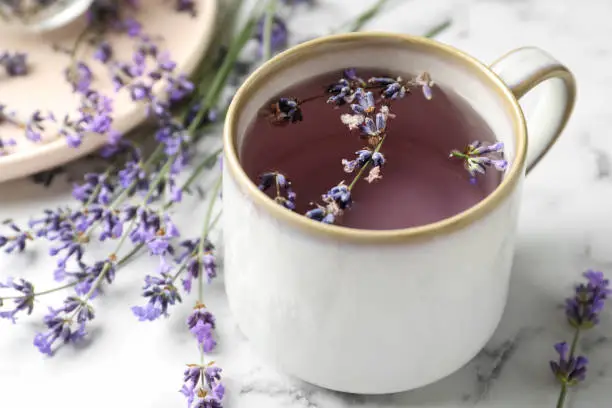
Then there’s lavender. This purple flower has what scientists call anxiolytic properties – a term that simply means anxiety- and tension-reducing. Anxiolytic comes from the Latin anxius (anxious) and the Greek lytikos (dissolving). In practice: lavender measurably lowers heart rate, reduces muscle tension, and eases that feeling of inner restlessness – even through scent alone. Studies show that inhaling lavender oil noticeably reduces activity in the sympathetic nervous system, your “fight-or-flight” response. Drink it as tea and you deepen that effect from the inside out.
Together, these three herbs make a perfect evening blend – gentle enough for daily use, yet powerful enough to feel a real difference, especially after a long day in front of screens. Read more about these herbs in my Top 5 Herbs for stress relief and Lemon Balm Guide.
Recipe (makes 1 cup)
Ingredients:
- 1 tsp dried chamomile
- 1 tsp dried lemon balm
- ½ tsp dried lavender blossoms
- Optional: 1 tsp honey, splash of plant-based milk
Instructions:
- Add the herbs to a tea infuser or teapot.
- Pour over 200 ml of water at 90°C (194°F) – not boiling, as water that’s too hot destroys the delicate volatile oils responsible for much of the effect.
- Cover and steep for 8 to 10 minutes.
- Strain into your favourite mug, add honey if desired, and take a slow, deep breath before your first sip.
- Drink 30 to 60 minutes before bed.
Dosage & Safety
One to two cups per day is safe for most people. Avoid if you have an allergy to ragweed or other plants in the Asteraceae family. Do not use alongside sedative medication without consulting a doctor.
The Ritual
Dim the lights, put your phone away, and grab a notebook. Spend five minutes writing down the thoughts of your day – not to solve them, but to let them go. As your tea cools to drinking temperature, feel your nervous system begin to reset. For more on how stress affects your sleep, read my stress pillar.
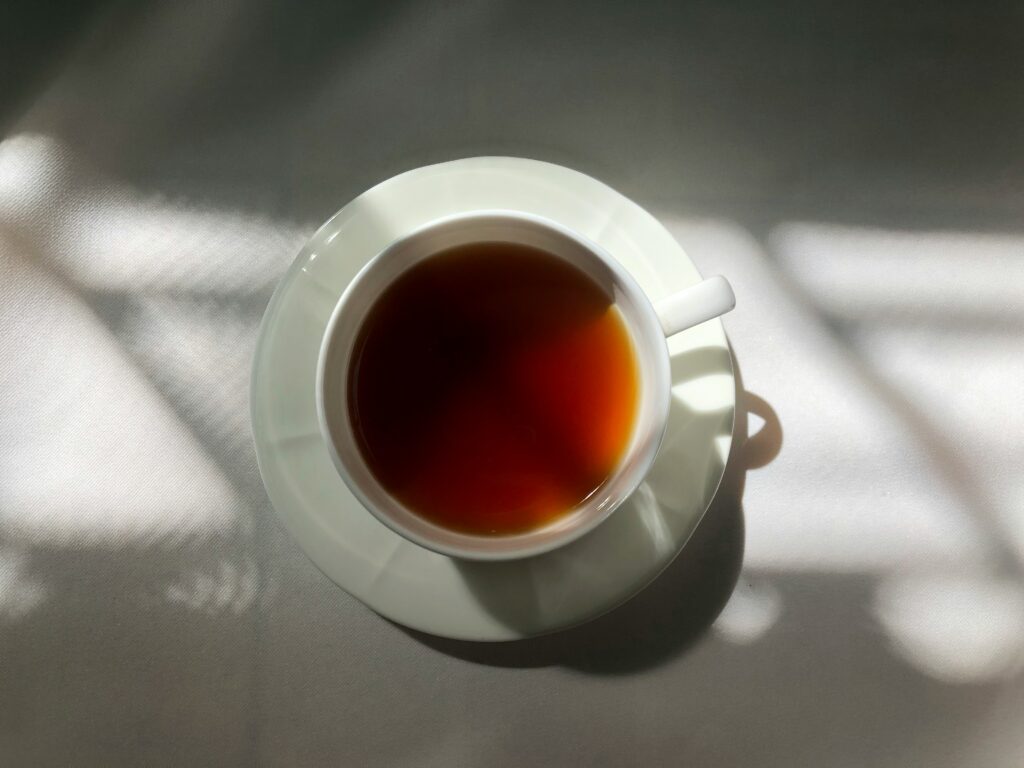
2. Focus Herbal Tea: Tulsi, Peppermint & Rosemary Clarity Brew
Why This Blend Works
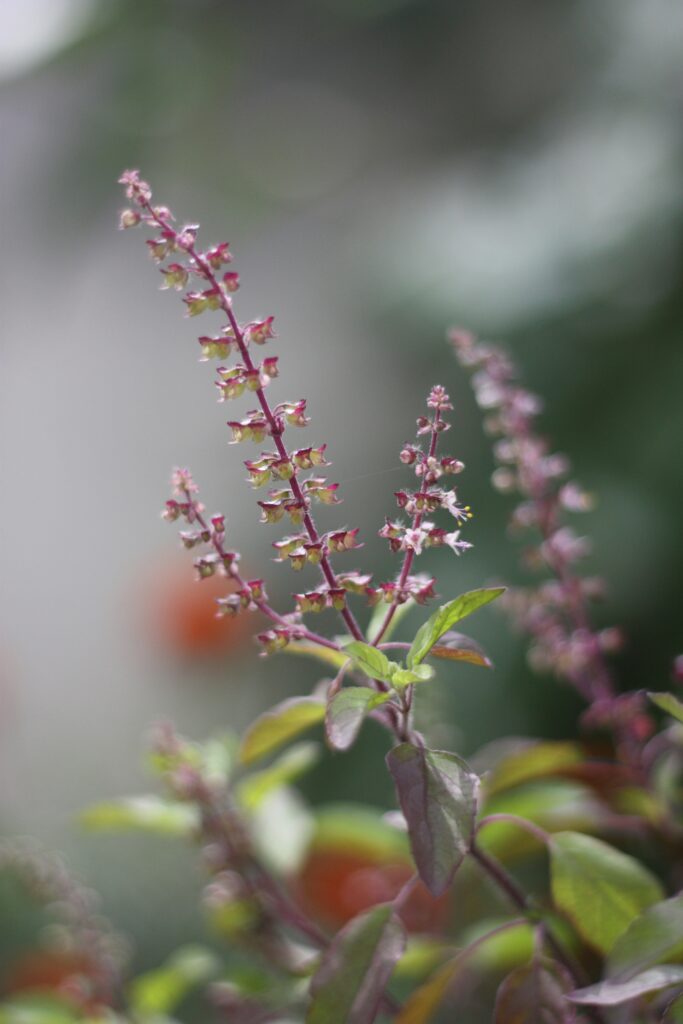
Tulsi, also known as holy basil, is one of the most powerful adaptogens in herbal medicine. It helps your brain handle stress better by smoothing out cortisol spikes, while simultaneously offering a clarifying, gentle energy – without the crash you know from caffeine. For a similarly powerful adaptogen with even stronger performance-supporting properties, check out my Ashwagandha Deep Dive.
Peppermint is more than just a fresh flavour. It contains menthol and rosmarinic acid, which stimulate blood flow to the brain. But there’s something even more interesting going on: peppermint appears to support acetylcholine activity in the brain. Acetylcholine is a neurotransmitter – a chemical messenger between brain cells – that plays a key role in memory, concentration, and learning. The more acetylcholine available in the right brain areas, the sharper your focus and the better you retain information.
Certain compounds in peppermint inhibit acetylcholinesterase, the enzyme that normally breaks acetylcholine down. By inhibiting that enzyme, acetylcholine stays active longer – similar in principle to some memory-supporting medications, but in a far gentler, natural form.
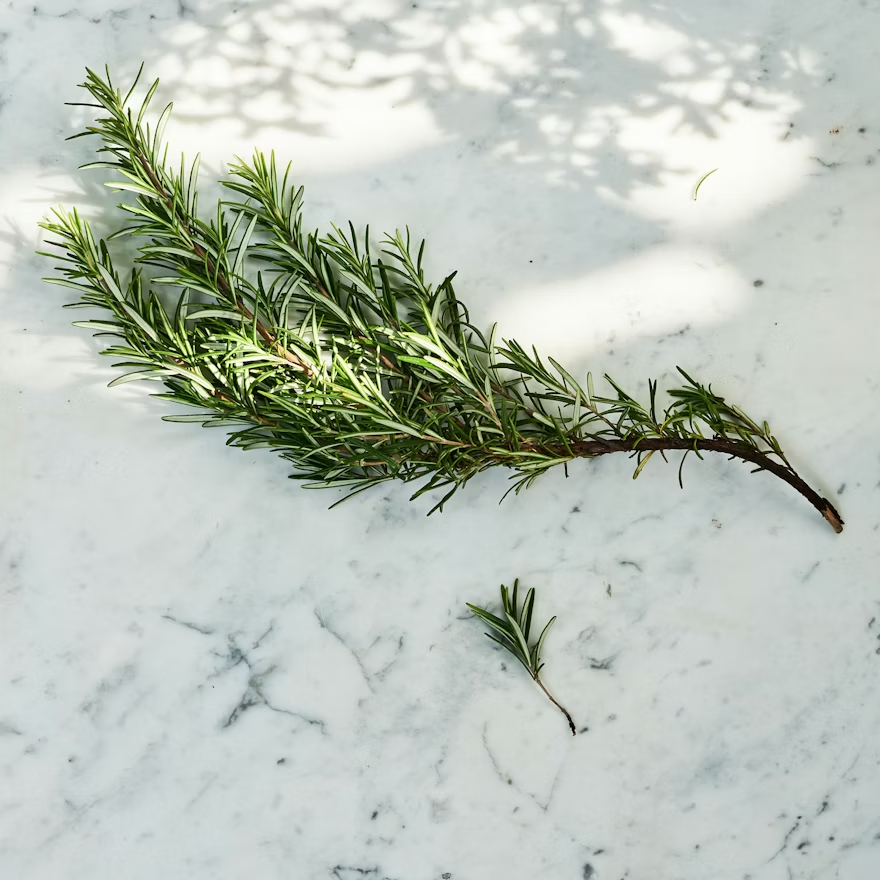
Rosemary works through a similar mechanism. It contains 1,8-cineole, a compound that also slows the breakdown of acetylcholine. Studies show that even just inhaling rosemary aroma measurably improves cognitive performance. Drink it as tea and you combine both the inhalation and the oral effect – a double benefit in a single mug.
Recipe (makes 1 cup)
Ingredients:
- 1 tsp dried tulsi (holy basil)
- 1 tsp dried peppermint
- ½ tsp fresh or dried rosemary
Hot brew:
- Add the herbs to a tea infuser.
- Pour over 95°C (203°F) water.
- Steep for 5 to 7 minutes.
- Strain and drink immediately.
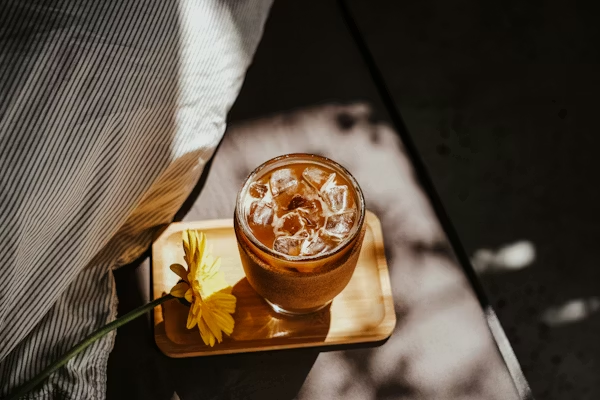
Cold brew (trending in 2026):
- Add all ingredients to a glass jar or pitcher with 500 ml cold water.
- Refrigerate for 12 hours.
- Strain and serve over ice.
The cold brew method delivers a softer, less bitter flavour and preserves delicate flavour compounds that can break down at high temperatures. Perfect to prepare the evening before.
Dosage & Safety
Maximum two cups per day. Avoid if you suffer from acid reflux or heartburn, as peppermint can relax the lower esophageal sphincter. Avoid rosemary in medicinal quantities during pregnancy.
The Ritual
Drink this blend 15 to 20 minutes before a study or work session. Set your intention: what do you want to accomplish in the next two hours? Three deep breaths alongside your first sip help activate your prefrontal cortex. Focus starts before you type the first word.
3. Digestion Herbal Tea: Ginger, Peppermint & Fennel Gut Soothe
Why This Blend Works
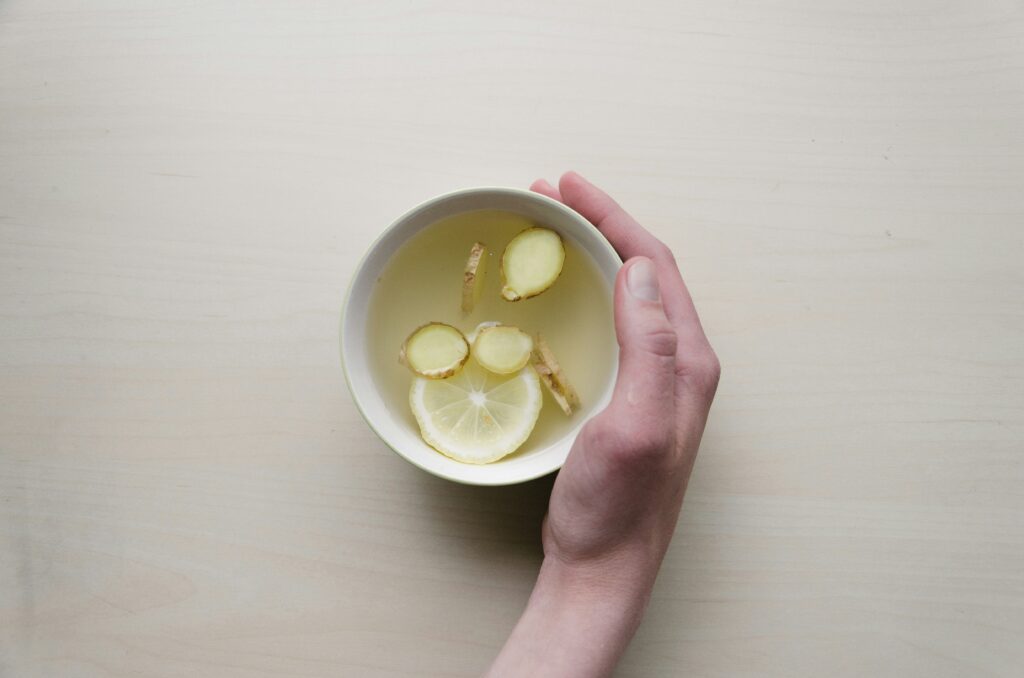
Your gut is your second brain – and it deserves just as much attention. Ginger is one of the most thoroughly researched herbs for digestion, and it all comes down to two groups of bioactive compounds: gingerols and shogaols.
Gingerols are the compounds that give fresh ginger its characteristic, slightly sharp flavour. They have powerful anti-inflammatory and antioxidant properties, and they stimulate the production of digestive enzymes that help break down food more efficiently. When you dry or heat ginger, gingerols partially transform into shogaols – compounds that are even stronger in their anti-inflammatory action and more easily absorbed by the body. This is also why gently simmering a ginger infusion tends to be more effective than simply pouring hot water over it: the heat partially triggers that conversion.
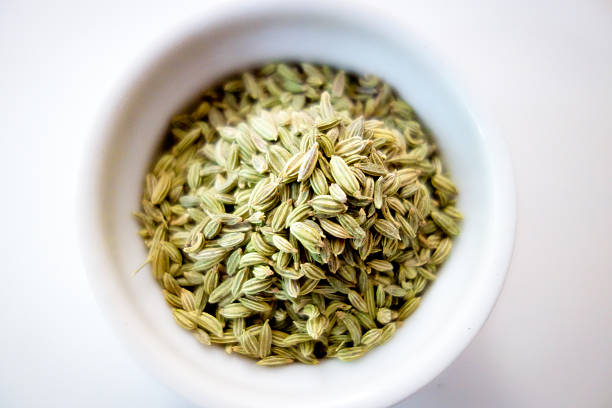
Peppermint relaxes the smooth muscles of the intestinal wall, easing cramps and bloating. Fennel seed is the quiet hero of this blend: it helps reduce gas and supports peristalsis. Peristalsis is simply the wave-like movement your intestines make to push food through the digestive tract – think of how you squeeze a tube of toothpaste from the back toward the opening. When that movement is slow or irregular, you feel bloated, heavy, or uncomfortable. Fennel helps stimulate and regulate that rhythmic motion.
Recipe (makes 1 cup)
Ingredients:
- 1 cm fresh ginger, sliced thin
- 1 tsp dried peppermint
- ½ tsp fennel seeds
- Optional: a slice of lemon
Instructions:
- Bring the ginger and 250 ml of water to a gentle boil and let it simmer for 5 minutes.
- Remove from heat, add peppermint and fennel.
- Cover and steep for another 5 minutes.
- Strain, add lemon if desired, and drink warm after a meal.
Dosage & Safety
Safe for daily use. Avoid high doses of ginger if you have gallstones or are taking blood thinners. If you have irritable bowel syndrome (IBS), start with a small amount of fennel to see how your body responds.
The Ritual
After your meal, take ten minutes for a short walk while your tea cools – or drink it slowly and then do a few minutes of light movement. Movement after eating significantly speeds up digestion and amplifies the effect of the herbs. If you lead an active lifestyle, this is the perfect bridge between the table and your next training session.
4. Immunity Herbal Tea: Turmeric, Elderberry & Echinacea Shield
Why This Blend Works
Your immune system works hardest precisely when you’re paying the least attention to self-care – during stress, sleep deprivation, and seasonal transitions. This blend gives it the tools it needs.
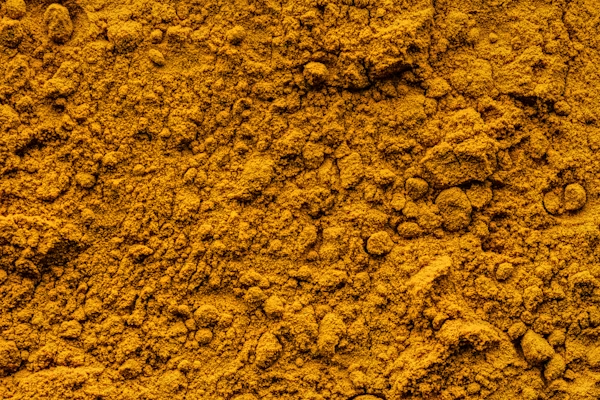
Turmeric contains curcumin, one of the most potent anti-inflammatory compounds found in nature. But here’s the catch: curcumin is poorly absorbed by the body on its own. It struggles to cross the intestinal wall and is quickly broken down before it can do its work. That’s exactly where black pepper comes in. Black pepper contains piperine, a compound that increases the absorption of curcumin into your bloodstream by up to 2000%. This is what scientists call bioavailability – the percentage of a substance that actually makes it into your bloodstream and cells, rather than being excreted unused. Without black pepper, you’re essentially drinking a large portion of turmeric’s active compounds in vain. A small pinch of pepper changes that completely – it’s one of the simplest yet most impactful combinations in functional nutrition.
Elderberry has antiviral properties and has been shown in studies to shorten the duration of colds and flu. Echinacea activates what’s known as the innate immune response – your body’s inborn first line of defence. Think of it as a border patrol that’s always on standby, responding to threats even before your body has had time to produce specific antibodies against a new pathogen. The innate immune response recognises general patterns of invaders (bacteria, viruses) and immediately dispatches white blood cells to attack them. Echinacea stimulates both the production and the activity of these white blood cells, making your first response faster and more powerful. That’s why echinacea is most effective when you take it at the very first signs of illness – not once you’re already flat on your back.

Recipe (makes 1 cup – golden milk style)
Ingredients:
- 1 tsp turmeric powder
- 1 tsp dried elderberry (or 1 tbsp elderberry syrup)
- ½ tsp dried echinacea
- A pinch of black pepper (essential!)
- 200 ml unsweetened oat or almond milk
- Optional: 1 tsp honey, a pinch of cinnamon
Instructions:
- Gently warm the plant-based milk in a small saucepan – do not boil.
- Add turmeric, black pepper, and cinnamon and stir well.
- Add echinacea and let steep on low heat for 5 minutes.
- Add elderberry and honey, strain, and serve in a warm mug.
Dosage & Safety
One to two cups per day, especially during autumn and winter or at the first signs of a cold. Not recommended for people with autoimmune conditions, as echinacea actively stimulates the immune system – which can be counterproductive in autoimmune situations. Echinacea should not be used for periods longer than 8-10 weeks continuously. Avoid therapeutic doses of turmeric if you have gallstones or are taking blood thinners.
The Ritual
Make this blend at the first signs of fatigue, a scratchy throat, or after an exhausting training week. Pair it with an early night and extra hydration. Your body knows when it needs support – learn to listen to those signals.
Safety, Dosage & Your Herbal Tea Ritual
Functional herbal teas are safe and effective for most people when used sensibly, but a few basic guidelines will help you get the most out of your blends.
General guidelines:
- Start with one cup per day to see how your body responds, then gradually increase
- Two to four cups spread throughout the day is generally fine for healthy adults
- Rotate your blends – don’t use the same herbs every single day to avoid buildup of bioactive compounds
- Buy organic, certified herbs from reliable suppliers wherever possible
- Always consult a doctor if you’re taking medication, especially blood thinners, sleeping pills, or immunosuppressants
Storage: Keep dried herbs in airtight glass jars in a cool, dark place. Avoid direct sunlight and moisture. Most dried herbs stay fresh for 1 to 2 years this way.
Make it a ritual. Put the kettle on, choose your blend with intention, and breathe in the aroma while it steeps. Set an intention for the hours ahead. Those five minutes of stillness and attention are sometimes just as valuable as the herbs themselves. For more on integrating herbs into your daily life, check out my DIY Stress Relief Recipes and Rhodiola Deep Dive.
FAQ
Can I drink functional herbal teas every day?
Yes, for most people that’s absolutely fine. Vary your blends and stick to the recommended amounts to avoid building tolerance and to keep benefiting from the full effect of each herb.
Do cold brews work better than hot tea?
For some herbs, yes. Cold brews offer a gentler extraction that preserves polyphenols that can degrade at high temperatures. They’re less bitter and perfect for herbs like tulsi, peppermint, and rosemary. For roots like ginger, however, hot water works better because heat stimulates the conversion of gingerols into the more potent shogaols.
How quickly will I notice results?
That varies by herb and person. Chamomile and peppermint work fairly quickly, usually within 30 to 60 minutes. Adaptogens like tulsi and ashwagandha need 2 to 4 weeks of consistent use before you notice meaningful results.
Are herbal teas safe during pregnancy?
Not always. Chamomile and ginger in small amounts are generally well tolerated, but rosemary, lavender, and echinacea in medicinal doses are not recommended. Always consult a midwife or doctor first.
Ready to Brew?
Functional herbal teas are one of the simplest, most accessible ways to support your daily wellbeing – no complicated supplement stacks, no major investment required. Whether you want to sleep more deeply, focus more sharply, give your gut some extra love, or build resilience heading into cold season: there’s a blend for you.
Take the time to experiment, listen to your body, and turn it into a moment of intention. Which blend are you going to try first tonight? Let me know in the comments – I’d love to hear about your experience!
And if you want to learn more about the herbs in these recipes, start with my Top 5 Herbs for Stress Relief or dive deeper into the world of adaptogens through the Ashwagandha and Rhodiola guides.