You’re exhausted but can’t sleep. Stressed but can’t focus. Wired but running completely on empty. If that sounds familiar, you’re not alone — and you’re not broken. It’s what happens when your body’s stress system has been running at full capacity for too long without proper support.
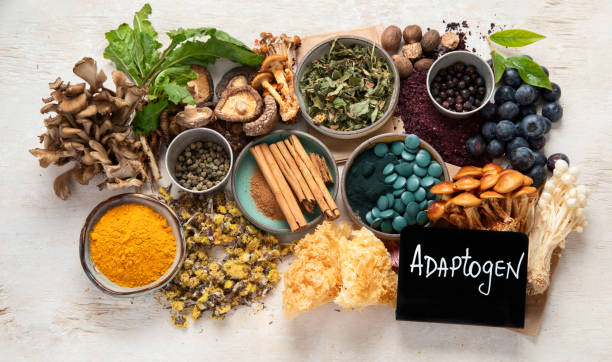
In 2026, more people than ever are turning to a category of herbs that have been used for exactly this problem for thousands of years: adaptogens. These aren’t stimulants that push your body harder, and they’re not sedatives that force it to slow down. They do something more nuanced and, in many ways, more useful — they help your body handle stress more intelligently. Instead of borrowing energy from tomorrow, they help restore the system that decides how you respond to pressure in the first place.
I came to adaptogens through the same frustration most people do: too much to do, too little recovery, and the growing feeling that coffee was solving a symptom while the real problem kept getting worse. What I found — and what this guide will walk you through — is a genuinely evidence-based category of plant medicine with a compelling combination of traditional depth and modern clinical research behind it.
In this complete guide, you’ll learn exactly what adaptogens are, how they work at a biological level (explained simply, I promise), which six are best supported by research, how to use them safely, and how to build a daily ritual that actually fits your life. Use the Table of Contents to jump to the section most relevant to you, or read from start to finish for the full picture. For more on the specific herbs that form the backbone of an effective stress-relief toolkit, my Top 5 Herbs for Stress Relief pillar is a natural companion to this one.
Table of Contents
What Are Adaptogens? The Simple Definition
The word “adaptogen” sounds like modern wellness jargon, but it’s actually a pharmacological term with a precise definition — one that was established decades ago and still holds up today.
The Three Official Criteria
For a plant or substance to qualify as a true adaptogen, it must meet three specific criteria, originally proposed by Soviet pharmacologist Nikolai Lazarev in 1947 and later refined by his colleague Israel Brekhman:
- Non-specific: It must help the body resist a broad spectrum of stressors — not just one type, but physical stress (injury, cold, exertion), chemical stress (toxins, pollutants), and biological stress (infection, inflammation) alike
- Normalising: It must work bidirectionally — bringing the body back towards balance regardless of which direction it has drifted. If your cortisol is too high, an adaptogen helps bring it down. If your energy is too low, it helps bring it up. This is what distinguishes adaptogens from simple stimulants or sedatives, which only push in one direction
- Non-toxic: It must be safe at normal doses for long-term use, without causing significant side effects or creating dependency
That third criterion is important. A substance that reduces stress by numbing your nervous system doesn’t qualify. Adaptogens work with your physiology, not against it.


Adaptogens vs. Stimulants: A Key Distinction
The difference between an adaptogen and a stimulant like caffeine is worth understanding clearly, because it explains why one leads to a crash and the other doesn’t.
Caffeine works by blocking adenosine receptors in the brain. Adenosine is a chemical that builds up throughout the day and makes you feel progressively sleepier — it’s your body’s natural signal that rest is needed. Caffeine doesn’t give you energy; it blocks the message that you’re tired. When it wears off, the accumulated adenosine floods back in, and the crash arrives. Your adrenal glands also release adrenaline in response to caffeine, which provides that familiar short-term alertness — but again, at the cost of depleting your stress reserves over time.
Adaptogens work upstream from all of this. Rather than blocking tiredness signals or triggering adrenaline release, they regulate the hormonal system that governs your entire stress response — helping it function more efficiently so that you genuinely have more stable energy, rather than borrowed energy that needs to be repaid later. For a deeper look at how specific adaptogens support energy without the crash, see my Adaptogens for Steady Energy guide.

Primary vs. Secondary Adaptogens
Not every herb marketed as an adaptogen fully meets all three criteria. It’s useful to distinguish between:
- Primary adaptogens: Fully satisfy all three criteria — ashwagandha, rhodiola, panax ginseng, tulsi, and schisandra are the clearest examples. These are the herbs with the strongest clinical evidence behind them
- Secondary adaptogens: Have some adaptogenic properties but also work through other mechanisms — reishi mushroom, eleuthero (Siberian ginseng), and maca fall into this category. Beneficial and worth exploring, but a slightly looser fit with the strict definition
How Adaptogens Work: The HPA Axis Explained Simply
This is the section that separates genuinely informative herbal content from surface-level wellness posts. Understanding how adaptogens work — not just that they work — is what allows you to use them intelligently and set realistic expectations.
What Is the HPA Axis?
HPA stands for Hypothalamic-Pituitary-Adrenal — three glands that form a communication chain at the heart of your body’s stress response. Here’s what happens, step by step, every time you encounter a stressor:
- Your brain perceives a threat or challenge — a deadline, a conflict, a sudden loud noise, even a hard workout
- The hypothalamus (a small region deep in the brain that acts as a control centre) releases a chemical signal called CRH (corticotropin-releasing hormone)
- CRH travels to the pituitary gland (a pea-sized gland at the base of the brain), which responds by releasing ACTH (adrenocorticotropic hormone) into the bloodstream
- ACTH travels through the blood to the adrenal glands (two small glands that sit on top of your kidneys), which respond by producing cortisol
- Cortisol floods the body, triggering the well-known “fight-or-flight” response: blood sugar rises, heart rate increases, digestion slows, focus narrows
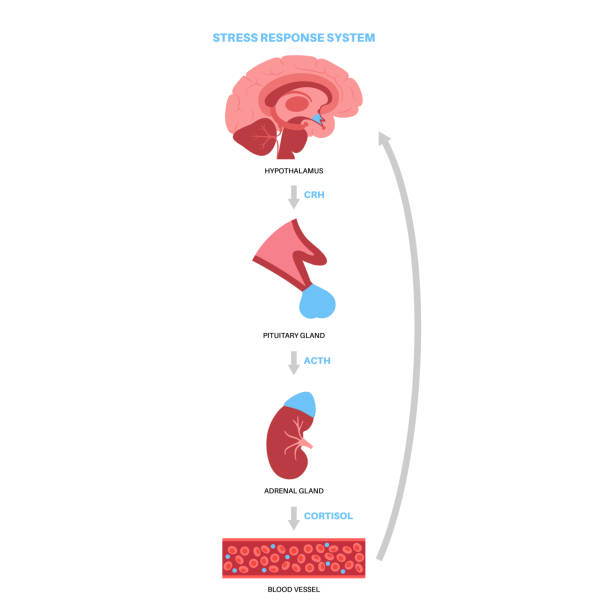
Under normal circumstances, this system is self-regulating. Once cortisol rises sufficiently, it sends a feedback signal back to the hypothalamus and pituitary telling them to stand down — cortisol levels drop, the stress response quiets, and the body returns to baseline. Think of it like a thermostat that turns the heating off once the room reaches the right temperature.
The problem with modern, chronic stress is that this feedback loop breaks down. When the stressors are continuous — work pressure, financial worry, poor sleep, social anxiety — cortisol stays elevated almost permanently. The receptors that normally detect high cortisol and trigger the “stand down” signal become desensitised, like a smoke alarm that’s been going off so long nobody pays attention to it anymore. The HPA axis gets stuck in overdrive.
What Adaptogens Do in This System
Adaptogens intervene at multiple points in this cascade, but their most important action is restoring the sensitivity of glucocorticoid receptors — the receptors that detect cortisol and trigger the feedback signal to stand down. When these receptors are working properly, the HPA axis can self-regulate again: cortisol rises when needed, then falls back to baseline once the stressor passes.
In practical terms, this means:
- Fewer cortisol spikes throughout the day
- Better recovery between stressful periods
- More stable energy levels because blood sugar (which cortisol directly influences) is less erratic
- Improved sleep, because elevated evening cortisol is one of the most common causes of difficulty falling asleep
- Better cognitive performance, because chronically high cortisol actively impairs the prefrontal cortex — the brain region responsible for focus, decision-making, and working memory
A useful metaphor: if your HPA axis is a thermostat, chronic stress has jammed it at too high a setting. Adaptogens don’t turn off the heating — you still need a functional stress response. They recalibrate the thermostat so it reads the temperature accurately again and responds proportionately.
How Long Does It Take?
This is the question most people ask first, and the honest answer requires a little patience:
- First noticeable effects: 1 to 2 weeks of consistent daily use for most people
- Full, stable effects: 4 to 8 weeks, depending on the herb and your individual baseline
- Long-term resilience: Built over months of consistent use — this is where the real value of adaptogens lies
Because adaptogens work by restoring a regulatory system rather than overriding it, the effects are cumulative. Unlike caffeine, which works within 20 minutes and wears off in a few hours, adaptogens are building something more durable: a nervous system that handles pressure more gracefully, day by day.
The 6 Best Adaptogens in 2026 (Evidence-Based)
1. Ashwagandha — The Sleep & Stress Classic
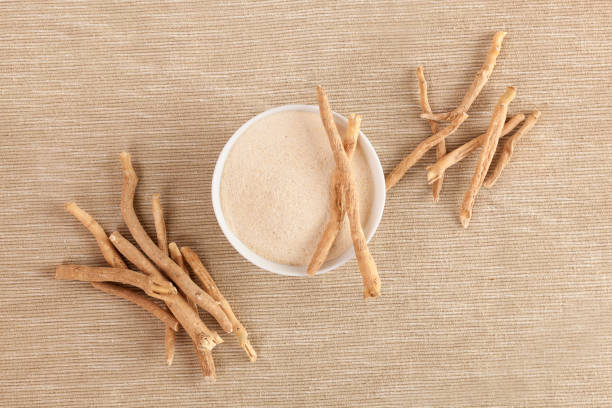
Ashwagandha (Withania somnifera) is the most extensively researched adaptogen in Western clinical literature and the most recognised name in the mainstream wellness space — for good reason. A landmark randomised controlled trial published in the Indian Journal of Psychological Medicine found that ashwagandha supplementation reduced cortisol levels by 27% and decreased scores on the Perceived Stress Scale (a validated psychological measure of stress) by 44% compared to placebo. Those are significant numbers.
Its primary active compounds — withanolides — have a particular affinity for calming the HPA axis and supporting the quality of deep sleep. This makes ashwagandha the go-to adaptogen for people dealing with burnout, chronic anxiety, or sleep that doesn’t feel restorative.
- Best for: Burnout recovery, chronic stress, anxiety, poor sleep quality
- Dosage: 300–600 mg per day of a KSM-66 or Sensoril standardised extract (look for these specific extract names on the label — they indicate the quality and concentration that was used in clinical research)
- Time to effect: 4 to 6 weeks for full benefit
- Stack with: Lemon balm for sleep support
- Learn more: Ashwagandha Complete Guide
2. Rhodiola Rosea — The Fatigue Fighter
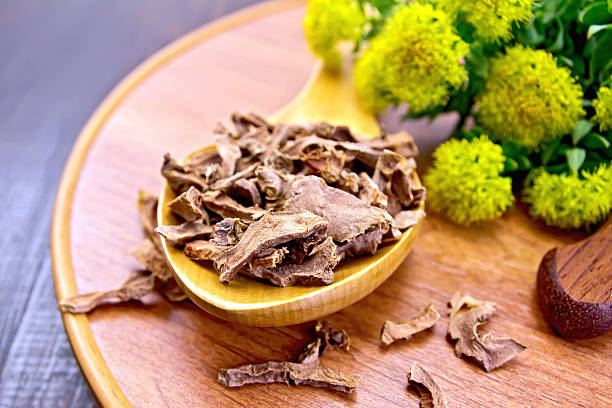
Rhodiola grows in the cold, high-altitude regions of Siberia and Scandinavia, and its traditional use by Arctic populations for combating physical and mental exhaustion is now backed by a solid body of clinical research. The most studied extract — SHR-5, standardised to 3% rosavins and 1% salidroside — has been shown to reduce perceived fatigue by approximately 20% and measurably improve cognitive performance under stress conditions.
Its key compounds, rosavins and salidroside, appear to influence both serotonin and dopamine systems — which explains why rhodiola addresses mood and motivation alongside raw energy levels. It also supports mitochondrial function, helping your cells produce ATP (your body’s actual energy currency) more efficiently, which produces that characteristic “clean energy” effect that rhodiola users consistently report.
- Best for: Mental fatigue, brain fog, low motivation, demanding cognitive work
- Dosage: 200–400 mg per day in the morning or early afternoon; use cyclically (5–6 days on, 1–2 days off)
- Time to effect: 1 to 2 weeks — often one of the faster-acting adaptogens
- Stack with: Ginseng for the most powerful energy combination
- Learn more: Rhodiola Complete Guide
3. Panax Ginseng — The Energy & Vitality Root

Panax ginseng — “panax” from the Greek for all-healing — has been cultivated and used medicinally in East Asia for thousands of years, making it one of the most historically documented medicinal plants on earth. Its active compounds, ginsenosides, work across multiple biological systems simultaneously: supporting ATP production in cells, stimulating nitric oxide production in blood vessel walls (which improves circulation and oxygen delivery to the brain and muscles), and modulating cortisol through the HPA axis.
A comprehensive meta-analysis of clinical trials found that panax ginseng improved physical energy output by around 18% in fatigued participants and produced measurable improvements in cognitive performance. It’s particularly effective for what practitioners call the “wired but tired” state — where you feel mentally overstimulated but physically depleted, a common pattern among people managing heavy workloads or training loads simultaneously.
- Best for: Physical vitality, sustained cognitive performance, immune support, all-day energy
- Dosage: 200–1,000 mg of standardised extract (4–7% ginsenosides) per day; always cycle 5 days on, 2 days off
- Time to effect: 2 to 4 weeks
- Stack with: Rhodiola for the most powerful energy and endurance combination
- Learn more: Ginseng Tea, Holy Basil & Lemon Balm Rituals
4. Tulsi (Holy Basil) — The Gentle Stress Shield

Tulsi (Ocimum tenuiflorum) is the most accessible entry point into adaptogen use — gentle, broadly beneficial, and genuinely pleasant to drink as a daily tea. Revered in Ayurvedic medicine for over 3,000 years as a Rasayana herb (a category reserved for substances that strengthen the body’s foundational vitality), it’s now backed by clinical research showing cortisol reductions of up to 39% and a well-documented anxiolytic — that is, anxiety-reducing — effect.
Its key active compounds (eugenol, rosmarinic acid, and ursolic acid) work together to modulate the HPA axis, reduce systemic inflammation, support immune function, and help stabilise blood sugar — which matters more for steady energy than most people realise. Tulsi is also one of the few adaptogens that tastes genuinely good as a tea, with a warm, spicy-sweet flavour that carries hints of clove.
- Best for: Daily stress management, mild anxiety, immune resilience, beginners to adaptogens
- Dosage: 300–500 mg standardised extract, or 1–2 cups of tulsi tea per day; no strict cycling required
- Time to effect: 1 to 2 weeks
- Stack with: Lemon balm for a combined cortisol-and-GABA calm effect
- Learn more: Tulsi Holy Basil Complete Guide
5. Lemon Balm — The Nervous System Nurturer
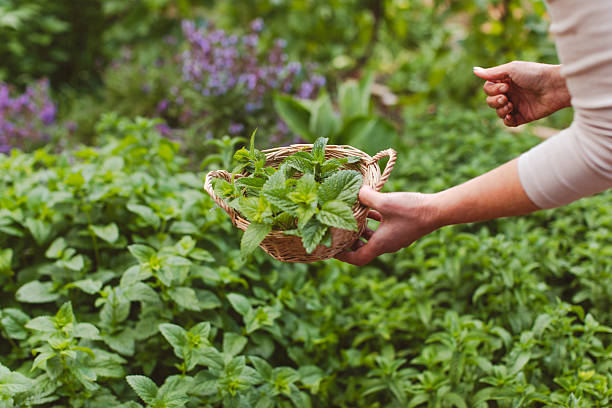
Lemon balm (Melissa officinalis) sits on the boundary between adaptogen and nervine — a category of herbs that directly nourish and calm the nervous system. Its primary mechanism involves inhibiting GABA transaminase, the enzyme that breaks down GABA in the brain. GABA is your brain’s main inhibitory neurotransmitter — essentially, it’s the chemical signal that tells your nervous system to slow down and reduce its activity. When GABA levels stay elevated, the brain can downshift more effectively, which is why lemon balm is so consistently effective for overthinking, anxiety, and difficulty falling asleep.
Unlike pharmaceutical GABA-enhancers (like benzodiazepines), lemon balm doesn’t cause grogginess or dependency — it simply supports a process your brain already runs, working with your neurobiology rather than overriding it. For more on its mechanisms and applications, my Lemon Balm Complete Guide covers the research in depth.
- Best for: Anxiety and rumination, sleep onset, evening wind-down, nervous system recovery
- Dosage: 300–600 mg standardised extract, or 1–2 cups of tea per day
- Time to effect: Often within a week — among the fastest-acting herbs in this guide
- Stack with: Ashwagandha for comprehensive sleep support; tulsi for daytime calm
- Learn more: Get through busy days with these rituals
6. Schisandra — The Hidden Gem
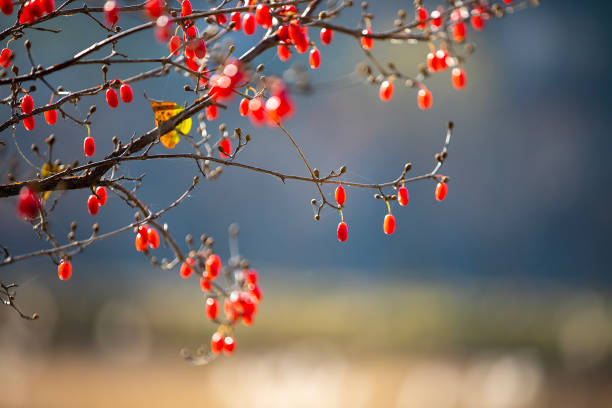
Schisandra (Schisandra chinensis) is perhaps the least well-known adaptogen in the Western market, but it has been a cornerstone of Traditional Chinese Medicine for centuries and is increasingly catching the attention of clinical researchers. Its Chinese name — wu wei zi, meaning “five-flavour berry” — reflects the unusual complexity of its taste: simultaneously sour, sweet, salty, bitter, and pungent, which in TCM tradition indicates an unusually broad therapeutic profile.
Current evidence supports its use for improving physical endurance, protecting the liver from oxidative stress (it’s one of the best-studied hepatoprotective — liver-protecting — herbs available), and supporting cognitive performance under pressure. For athletes managing heavy training loads, the combination of endurance support and liver protection makes it a compelling addition to a stack.
- Best for: Athletic endurance, liver support, cognitive performance, advanced users
- Dosage: 500–2,000 mg per day
- Time to effect: 3 to 4 weeks
- Stack with: Rhodiola for athletic performance; a dedicated schisandra guide is coming soon!
Adaptogen Comparison: Which One Is Right for You?
| Adaptogen | Best For | Time to Effect | Flavour | Ease of Use |
|---|---|---|---|---|
| Ashwagandha | Sleep + burnout | 4–6 weeks | Earthy, bitter | Easy |
| Rhodiola | Fatigue + focus | 1–2 weeks | Mildly bitter | Easy |
| Ginseng | Energy + vitality | 2–4 weeks | Earthy, slightly sweet | Moderate |
| Tulsi | Daily stress | 1–2 weeks | Spicy-sweet | Easy |
| Lemon Balm | Anxiety + sleep | ~1 week | Fresh, citrus | Easy |
| Schisandra | Endurance + liver | 3–4 weeks | Complex, multi-note | Advanced |
If you’re new to adaptogens, tulsi or lemon balm are the natural starting points — gentle, fast-acting, and easy to use as tea. If fatigue is your primary concern, rhodiola often produces the most noticeable early results. If sleep and deep recovery are the priority, ashwagandha is the most evidence-backed choice. For more context on how these herbs sit within a broader stress-management strategy, see my Top 5 Herbs for Stress Relief.
How to Use Adaptogens: Forms, Dosage & Daily Rituals

Forms Compared
Each form of adaptogen has its own strengths, and the right choice depends on your goals, schedule, and how much you value the ritual aspect of herbal practice.
- Capsules/standardised extracts: The most precise and reliable way to hit a specific therapeutic dose consistently. Look for the extract name and percentage of active compounds on the label — KSM-66 for ashwagandha, SHR-5 for rhodiola, 4–7% ginsenosides for ginseng. If those markers aren’t listed, you can’t be confident you’re getting what you paid for
- Tea: Slightly lower and less standardised dosing, but the ritual value is real and meaningful. The act of brewing, the aroma, the warmth — these sensory elements have their own calming effect on the nervous system, separate from the herb’s pharmacology. Best suited to tulsi, lemon balm, and ginseng; less practical for ashwagandha and rhodiola which have strong, unpleasant flavours in large amounts
- Powder: Versatile — can be stirred into smoothies, lattes, oat milk, or warm water. Less standardised than capsules, but convenient if you already have a morning drink routine
- Tinctures (liquid extracts): Absorbed quickly via the sublingual blood vessels under the tongue; alcohol-based, which some people prefer to avoid. A good option for those who struggle with capsules
Your 24-Hour Adaptogen Ritual
Here’s a practical daily framework that covers energy, stress, and sleep across the full day. Adapt the timing to your own schedule:
| Time | Adaptogen | Form | Goal |
|---|---|---|---|
| 07:00 | Rhodiola or Ginseng | Capsule | Morning energy and focus |
| 12:00–14:00 | Tulsi | Tea | Midday cortisol regulation |
| 21:00 | Ashwagandha + Lemon Balm | Capsule + tea | Sleep preparation |
For ready-to-use recipes that bring this ritual to life, my Functional Herbal Teas for 2026 and Ginseng Tea, Holy Basil & Lemon Balm Rituals guides have everything you need.
Beginner’s Protocol: Start Here
The most common mistake with adaptogens is starting too many at once. When you introduce multiple herbs simultaneously, you lose the ability to know which one is producing which effect — and if something doesn’t agree with you, you won’t know what to stop.
The better approach:
- Weeks 1–4: Choose one adaptogen that matches your primary concern (see the comparison table above). Take it consistently every day at the same time
- Weeks 5–8: If you’re responding well, add a second herb that complements the first (for example, tulsi with lemon balm, or rhodiola with ginseng)
- Months 3 onwards: Build your stack gradually, always adding one herb at a time with a minimum of two weeks between additions
Consistency matters far more than quantity. A modest dose taken every day for eight weeks will outperform a high dose taken sporadically.
Adaptogen Safety: Who Should Be Careful?
Generally Safe For
The majority of healthy adults can use primary adaptogens at recommended doses without significant risk. The long history of use as both food and medicine for most of these herbs provides a meaningful safety track record alongside the clinical research.
Precautions by Group
Some situations call for more caution:
- Pregnancy and breastfeeding: Avoid therapeutic doses of ashwagandha, ginseng, and schisandra. Tulsi and lemon balm in moderate tea amounts are generally considered safer, but consult a midwife or doctor before use
- Autoimmune conditions: Adaptogens that stimulate immune activity — particularly ginseng, reishi, and echinacea — can potentially exacerbate autoimmune responses. Discuss with your doctor before use
- Medication interactions: The most important ones to be aware of are blood thinners (warfarin, aspirin — eugenol-containing herbs like tulsi can interact), antidepressants (rhodiola and tulsi influence serotonin; SSRIs in particular require caution), thyroid medication (some adaptogens influence thyroid hormone levels), and diabetes medication (several adaptogens lower blood sugar, which can compound the effect of medication)
- Children under 18: The effects of adaptogenic compounds on developing hormonal and neurological systems are not sufficiently studied. Not recommended without medical supervision
Quality Checklist
The adaptogen supplement market is unfortunately poorly regulated, and product quality varies enormously. Before buying, check for:
- Standardised extract: The label should specify the percentage of active compounds (e.g., “standardised to 5% withanolides” for ashwagandha). If it just says “ashwagandha root powder,” you have no way of knowing the potency
- Organic certification or wildcrafted: Particularly important for root herbs that absorb compounds from the soil
- Third-party testing: A Certificate of Analysis (COA) from an independent laboratory confirms the product contains what it claims and is free from contaminants
- European or North American supplier: Closer supply chains generally mean better traceability and quality control
A full guide to evaluating herbal product quality and understanding herb-drug interactions will be covered in my upcoming Herbal Safety 101 article.
FAQ
Can I combine multiple adaptogens?
Yes — in fact, thoughtful combinations often produce better results than single herbs, because different adaptogens work through complementary mechanisms. The key rule is to start with one, give it four weeks to establish a baseline effect, and then introduce a second herb. The most well-supported combinations are ashwagandha + lemon balm for sleep, rhodiola + ginseng for energy, and tulsi + lemon balm for daily stress and calm.
How long should I take adaptogens?
Most protocols recommend cycles of 6 to 12 weeks of consistent use followed by a 2 to 4 week break, particularly for the more stimulating adaptogens like rhodiola and ginseng. This prevents the body from fully adapting to the herb’s effects and helps you maintain sensitivity to its action. Tulsi and lemon balm are gentler and can be used more continuously.
Do adaptogens work immediately?
Most people notice some effect within 1 to 2 weeks — particularly with rhodiola, lemon balm, and tulsi. Full, stable benefits from ashwagandha and ginseng typically require 4 to 8 weeks of consistent use. Think of the first two weeks as the foundation-laying phase: the changes are happening biochemically, even if you can’t fully feel them yet.
Are adaptogens safe to take with coffee?
Generally yes, but reduce your usual coffee intake when you start, especially with stimulating adaptogens like rhodiola and ginseng. The combination can cause overstimulation in sensitive individuals. Many people naturally reduce their coffee consumption after a few weeks on adaptogens — the edge you were getting from caffeine is less necessary when your stress system is better regulated.
What’s the difference between adaptogens and nootropics?
Nootropics is a broader term for substances that enhance cognitive performance — memory, focus, processing speed. Some adaptogens have nootropic effects, but they work through the stress-regulation pathway rather than directly enhancing cognition. The distinction matters because nootropics don’t necessarily address the underlying stress physiology, while adaptogens do. If chronic stress is the root cause of your cognitive issues, adaptogens are the more targeted tool.
Which adaptogen should a complete beginner start with?
Tulsi or lemon balm — without question. Both are gentle, fast-acting, pleasant to drink as tea, and have a wide safety margin. They give you a real experience of what adaptogenic support feels like without the complexity of more potent herbs. Once you know how your body responds to these, you have a much better baseline for deciding whether to add something stronger like rhodiola or ashwagandha.
Your Adaptogen Journey Starts Here
Adaptogens aren’t a quick fix, and they were never meant to be. They’re an investment in resilience — a slow, steady restoration of the physiological balance that modern life persistently disrupts. The science is solid, the tradition is ancient, and the practical entry point couldn’t be simpler: one cup of tulsi tea, every morning, for four weeks. That’s it.
What you’re building, over weeks and months of consistent use, is a nervous system that handles pressure more gracefully. Less reactive to the small stressors. Quicker to recover from the big ones. Better rested. More focused. More evenly energised. Not because you’ve added a stimulant, but because you’ve helped restore the system that was always supposed to manage this — it just needed some support.
Start small, stay consistent, and pay attention to how your body responds. The herbs will do the rest.
Which adaptogen are you starting with? Drop it in the comments — I’d love to hear where you’re beginning your journey.
For the full deep dives on each herb covered in this guide, explore the complete cluster: Ashwagandha — Rhodiola — Tulsi — Lemon Balm — Adaptogens for Steady Energy — Functional Herbal Teas for 2026.