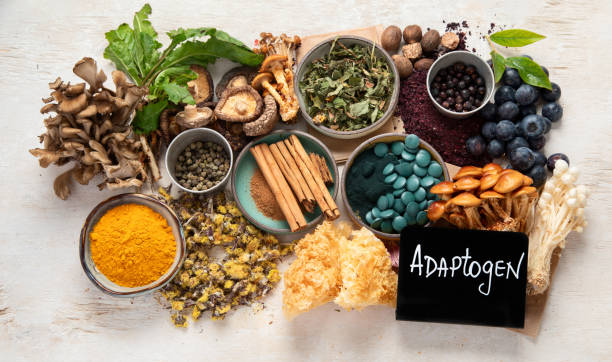
What if you could have real, lasting energy without the 3 PM crash, without the anxiety that comes with your fourth coffee, and without reaching for anything that makes your heart race? In 2026, that’s exactly what more and more people are discovering through adaptogens for steady energy — a category of herbs that doesn’t push your body harder, but teaches it to handle pressure better.
The concept of “steady energy” is having a real moment right now, and it makes sense. Post-pandemic burnout never fully went away, screen fatigue is at an all-time high, and people are increasingly sceptical of stimulants that borrow energy from tomorrow to pay for today. Adaptogens work differently. Rather than triggering an adrenaline dump like caffeine does, they work on your HPA axis — the hormonal communication highway between your brain and your adrenal glands that governs your entire stress response. Instead of overriding that system, adaptogens help restore it to balance.
I first experimented with herbs like these during a difficult deadline period — late nights working, early mornings reviewing and little time left for relaxation. I wasn’t looking for a buzz; I needed sustained mental clarity without the jitteriness that made focused work impossible. These herbs delivered exactly that: hours of clean focus, no crash, no anxiety. It changed the way I think about energy entirely. For context on why stress management is the foundation of all of this, my Top 5 Herbs for Stress Relief is a good place to start.
In this guide, I’m going deep on three of the most well-researched adaptogens for energy: rhodiola rosea, panax ginseng, and holy basil (tulsi). You’ll find the science explained simply, practical dosage guidance, rituals you can actually stick to, and stacking protocols for different goals. And if you want to work these herbs into your daily routine through tea, my Functional Herbal Teas for 2026 article has you covered with ready-to-brew recipes.
Adaptogens aren’t a quick fix. They’re a daily ally for your nervous system — and that’s exactly what makes them worth your attention.
Table of Contents
What Makes Adaptogens Perfect for 2026 Energy?
The Science Behind Adaptogens for Energy
The word “adaptogen” was coined by Soviet pharmacologist Nikolai Lazarev in the 1940s to describe substances that help the body adapt to stress — physical, mental, or environmental — without causing harm or creating dependency. The defining characteristic isn’t stimulation; it’s normalisation. If your energy is too low, adaptogens help bring it up. If your stress response is running too hot, they help cool it down. That bidirectional balancing act is what sets them apart from every other energy tool in your cabinet.
At the biochemical level, adaptogens primarily work by modulating the HPA axis — the hypothalamus-pituitary-adrenal axis. Think of this as your body’s internal stress-management department. When you’re under pressure, your hypothalamus signals your pituitary gland, which signals your adrenal glands to release cortisol and adrenaline. In the short term, that’s useful. But when this system stays activated for weeks or months — which is the reality for most students, creators, and professionals today — it leads to adrenal fatigue, brain fog, poor sleep, and that all-too-familiar feeling of being simultaneously exhausted and wired.
Adaptogens help regulate this cascade. Rather than forcing more adrenaline into the system (like caffeine does), they support your cells’ ability to produce ATP — the actual energy currency your body runs on — more efficiently. The result is energy that feels clean: present when you need it, without the spike-and-crash pattern that leaves you reaching for another espresso by noon.
Who Benefits Most?
The honest answer is: almost anyone dealing with modern-day stress. But adaptogens are particularly valuable for these four groups.
- Students under deadline pressure benefit most from rhodiola’s ability to reduce mental fatigue and maintain cognitive sharpness during long study sessions — especially during exam periods when sleep is compromised.
- Creative professionals and freelancers working irregular hours often experience cortisol dysregulation from unpredictable schedules; tulsi in particular helps stabilise that hormonal baseline so focus doesn’t depend on what kind of morning you had.
- Athletes managing heavy training loads can use ginseng and rhodiola to support physical energy output and reduce oxidative stress during recovery — making them especially useful during high-volume training blocks.
- Anyone recovering from prolonged fatigue or burnout will find adaptogens most valuable not as stimulants, but as a gentle reset for an overworked nervous system — the kind of support that rebuilds resilience over weeks rather than hours.
If you’re unsure where to start, match the adaptogen to your primary challenge: brain fog points to rhodiola, physical depletion to ginseng, and chronic stress to tulsi.
1. Rhodiola Rosea: The Anti-Fatigue Queen

Benefits for Energy
Rhodiola rosea grows in the cold, high-altitude regions of Siberia, Scandinavia, and the Arctic. It’s been used for centuries by Nordic and Russian populations to combat fatigue and improve endurance — and modern research is catching up with that tradition in impressive ways.
Multiple randomised controlled trials have shown that rhodiola reduces perceived fatigue by around 20% and improves mental performance under stress. One landmark study published in Phytomedicine found that participants taking rhodiola extract reported significantly less exhaustion, better concentration, and improved mood after just one week. Another study on night-shift physicians showed measurable improvements in cognitive function and reduced mental fatigue compared to placebo.
The key active compounds are rosavins and salidroside. Rosavins appear to influence serotonin and dopamine levels — neurotransmitters that regulate mood, motivation, and mental stamina. Salidroside, meanwhile, has been shown to reduce oxidative stress in brain cells and support mitochondrial function. Mitochondria are the tiny powerhouses inside your cells that convert nutrients into ATP energy. When they work better, you think more clearly and fatigue less quickly. For a full deep dive into rhodiola’s mechanisms and research, see my dedicated Rhodiola Deep Dive.

Dosage & How to Use It
The most well-studied form is a standardised extract called SHR-5, containing at least 3% rosavins and 1% salidroside. A typical effective dose is 200–400 mg taken in the morning or early afternoon on an empty stomach. Start at 100–200 mg to assess tolerance before increasing.
Rhodiola is best taken cyclically — five to six days on, one to two days off — to prevent the body from adapting to its effects. It stacks exceptionally well with tulsi (holy basil) for a calm-focus combination that covers both the energy and the stress-regulation side of the equation.
The Ritual
For a simple morning ritual, add 1 teaspoon of dried rhodiola root to 250 ml of water at 90°C (194°F), steep for 10 minutes, strain, and add a small amount of honey to balance the slightly earthy, bitter taste. Drink it 20 to 30 minutes before a demanding task. Notice the difference in how long your focus holds before it starts to drift.
Safety
Rhodiola is well-tolerated by most people. Avoid if you have a bipolar disorder, as its mood-modulating effects can be unpredictable in that context. Not recommended late in the evening, as it can interfere with sleep in some individuals. As always, consult a doctor if you’re taking antidepressants or other psychiatric medication.
2. Panax Ginseng: The Vitality Root
Benefits for Energy
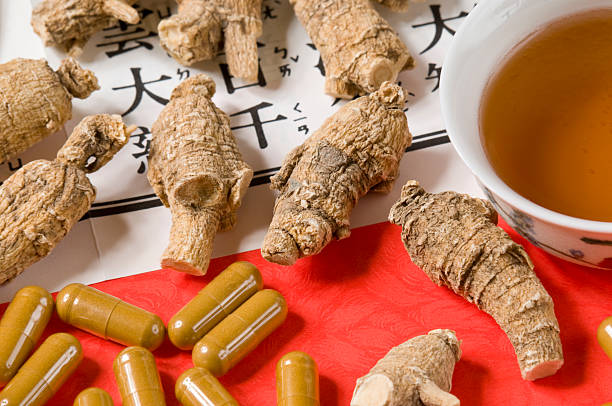
Panax ginseng — “panax” comes from the Greek word for all-healing — is one of the most extensively studied medicinal plants in the world. Its primary active compounds are ginsenosides, a diverse group of molecules that interact with multiple systems in the body simultaneously: the adrenal glands, the immune system, the central nervous system, and cellular energy production.
A comprehensive meta-analysis of clinical trials found that panax ginseng improved physical energy output by approximately 18% in fatigued participants. It’s particularly effective for what functional medicine practitioners call “wired but tired” — the state where you feel mentally overstimulated but physically drained, unable to wind down but also unable to perform. Ginseng addresses this paradox by simultaneously supporting cortisol regulation and improving the efficiency of cellular energy production.
One of the more fascinating mechanisms involves nitric oxide. Ginsenosides stimulate the production of nitric oxide in blood vessel walls, which causes them to relax and widen. Better circulation means more oxygen and nutrients delivered to muscles and the brain — which translates directly into better physical endurance and sharper cognitive performance.
Dosage & How to Use It
Look for a standardised extract containing 4–7% ginsenosides. A typical dose ranges from 200–400 mg for general energy support up to 1000 mg for more intensive use. The most important thing with ginseng is cycling: use it for five days, then take two days off. Continuous use without breaks can paradoxically lead to overstimulation and disturbed sleep — the exact opposite of what you want.
Take it in the morning or early afternoon. Avoid taking it within six hours of bedtime.
The Ritual
Try a ginseng latte as your pre-work ritual: warm 200 ml of oat milk gently, whisk in ½ teaspoon of ginseng powder (or open a capsule), add a pinch of cinnamon and a small amount of honey, and froth if you have a milk frother. It’s warm, grounding, and a satisfying alternative to a second coffee. Particularly effective before a long creative session — the kind where you need sustained output, not just a burst of motivation that fades after an hour.

Safety
Avoid ginseng if you have uncontrolled high blood pressure, as it can raise blood pressure in some individuals. It interacts with blood thinners and some diabetes medications — always check with your doctor if you’re on any regular medication. Not recommended for children under 18.
3. Holy Basil (Tulsi): The Calm Energy Adaptogen

Benefits for Energy
Holy basil — known in Ayurvedic medicine as tulsi, meaning “the incomparable one” — is perhaps the most accessible of the three adaptogens in this guide, both in terms of taste and in terms of how gently it works. While rhodiola and ginseng can feel noticeably activating, tulsi operates more quietly, reducing the cortisol noise that gets in the way of your natural energy rather than adding stimulation on top.
A clinical study published in the Journal of Ayurveda and Integrative Medicine found that tulsi supplementation reduced cortisol levels by up to 39% in chronically stressed participants. Another study demonstrated a 16% improvement in physical endurance. Its key active compounds include eugenol, rosmarinic acid, and ursolic acid — a combination that modulates the HPA axis, reduces systemic inflammation, and supports stable blood sugar levels. Stable blood sugar is more relevant to energy than most people realise: the mid-afternoon slump is often less about tiredness and more about a blood sugar dip following a high-carb lunch. Tulsi’s ability to moderate that response helps keep your energy curve flatter and more predictable throughout the day.
For more on how tulsi works as part of a broader stress-relief strategy, my Top 5 Herbs for Stress Relief covers the bigger picture, and you’ll also find tulsi featured in a recipe in my Functional Herbal Teas for 2026 article.
Dosage & How to Use It
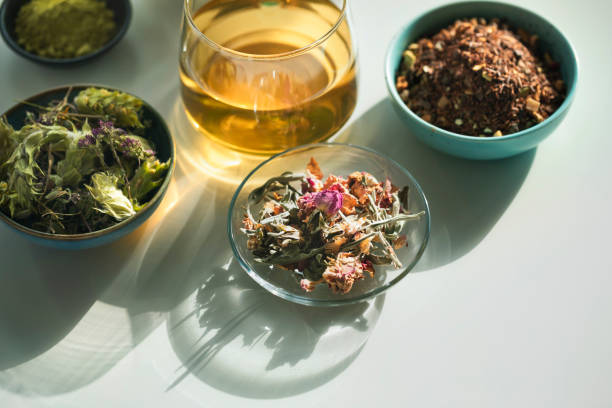
As a standardised extract, a typical dose is 300–500 mg taken once or twice daily. As a tea, use 1 to 2 teaspoons of dried tulsi leaves per cup, steeped for 5 to 7 minutes in water just below boiling. Two cups per day is a comfortable and effective daily amount. Unlike rhodiola and ginseng, tulsi doesn’t require strict cycling and can be used daily as a consistent foundation herb.
It pairs beautifully with rhodiola for a morning stack — tulsi provides the calm base, rhodiola adds the mental sharpness on top. In the evening, tulsi combined with lemon balm (see my Lemon Balm Guide) creates a gentle wind-down that supports both mood and sleep quality.
The Ritual
Before a focused session, make a simple tulsi tea and pair it with five minutes of intentional breathing. Inhale for four counts, hold for four, exhale for six. The extended exhale activates your parasympathetic nervous system, and the tulsi compounds begin their cortisol-modulating work from the inside. It’s a two-minute investment that meaningfully shifts the quality of the next two hours.
Safety
Tulsi is one of the safest adaptogens available and is well-tolerated for daily use. Avoid in combination with blood thinners. During pregnancy, stick to culinary amounts rather than therapeutic doses and consult a healthcare provider.
How to Stack Adaptogens: Your 2026 Protocols
Stacking adaptogens means combining them strategically so their effects complement rather than overlap each other. The key principle is simple: use activating adaptogens in the morning and early afternoon, and calming ones in the evening.
Beginner protocol: Start with rhodiola alone at 200 mg every morning for two weeks. Get a feel for how your body responds before adding anything else.
Steady energy stack: Rhodiola 200–400 mg in the morning, ginseng 200–400 mg at midday, tulsi tea in the early evening. This covers the full arc of your day without overloading any single system.
Stress + focus stack: Tulsi 300 mg in the morning for a calm, grounded start, rhodiola 200 mg mid-morning for mental sharpness, and lemon balm tea in the evening to support sleep quality. Full details on the lemon balm side of this in my Lemon Balm Guide.
Workout stack: Ginseng 400–500 mg 45 minutes pre-training to support blood flow and endurance, and rhodiola post-training to reduce oxidative stress and support recovery.
Creator flow stack: Tulsi tea before your session to settle the nervous system, ginseng for sustained output during longer work blocks, and a DIY adaptogen blend in the evening — my DIY Stress Relief Recipes has some good starting points.
| Goal | Morning | Midday | Evening |
|---|---|---|---|
| Steady Energy | Rhodiola 200mg | Ginseng 400mg | Tulsi tea |
| Stress + Focus | Tulsi 300mg | Rhodiola 200mg | Lemon balm |
| Workout | Ginseng 500mg pre-training | — | Rhodiola recovery |
| Sleep Support | Tulsi 300mg | Rhodiola 200mg | Sleep herbs blend |
Safety, Quality & When to See a Doctor
The quality of adaptogen products varies enormously. Always look for standardised extracts with clearly labelled active compound percentages — for rhodiola, that means at least 3% rosavins; for ginseng, 4–7% ginsenosides. Organic certification and EU-sourced or third-party tested products are worth the extra investment, especially when buying something you’ll take daily.
Key interactions to be aware of:
- Antidepressants (especially SSRIs and MAOIs): rhodiola and tulsi can influence serotonin — always consult your doctor
- Blood thinners (warfarin, aspirin): ginseng and tulsi can amplify the effect
- Thyroid medication: some adaptogens influence thyroid hormone levels
- Immunosuppressants: adaptogens that modulate immune function can interfere
Stop use and consult a doctor if you notice: persistent heart palpitations, worsening insomnia, increased anxiety, or any unusual physical symptoms. More isn’t more with adaptogens — working within the recommended ranges is both safer and more effective than pushing doses higher.
FAQ
Can I take adaptogens alongside coffee?
Yes, but halve your usual coffee dose when starting. The combination can cause overstimulation in sensitive people. Many people find they naturally reduce their coffee intake once adaptogens are working well — you simply don’t need the extra push anymore.
How long until I feel results?
Tulsi and ginseng can produce noticeable effects within a few days for some people. Rhodiola often works more quickly — some users report a difference within the first use. For full, consistent benefits, allow 2 to 4 weeks of daily use.
Capsules or tea — which is better?
Both work. Capsules offer precision dosing and convenience, making them ideal for consistent supplementation. Tea is better for the ritual aspect — the act of preparation slows you down, the aroma has its own therapeutic value, and it’s easier to pair with a mindful moment. Use whichever fits your routine, or combine both.
Is there a difference between men and women?
Tulsi is often recommended as a particularly good starting point for women because of its gentle effect on cortisol and its potential to support hormonal balance. Ginseng has a stronger body of evidence in male populations, though it’s beneficial across genders. As always, individual response varies more than gender-based generalisations suggest.
Are adaptogens safe for teenagers or children?
Not recommended for children under 18. The hormonal and neurological systems are still developing, and the effects of adaptogenic compounds on developing bodies are not sufficiently studied.
Your Steady Energy Journey Starts Now
Rhodiola for mental fatigue and sharp focus. Ginseng for physical vitality and all-day stamina. Tulsi to calm the cortisol noise that drains your energy before you’ve even started. Three herbs, three distinct mechanisms, one shared goal: energy that serves you without costing you.
Start simple. Pick the adaptogen that matches your biggest challenge right now — if it’s brain fog and fatigue, start with rhodiola. If it’s physical depletion, try ginseng. If stress is the root cause of everything, begin with tulsi. Build from there, give it two to four weeks, and pay attention to how your body responds.
Which one are you going to try first? Drop a comment below — I’d love to hear what you’re working with and how it goes.