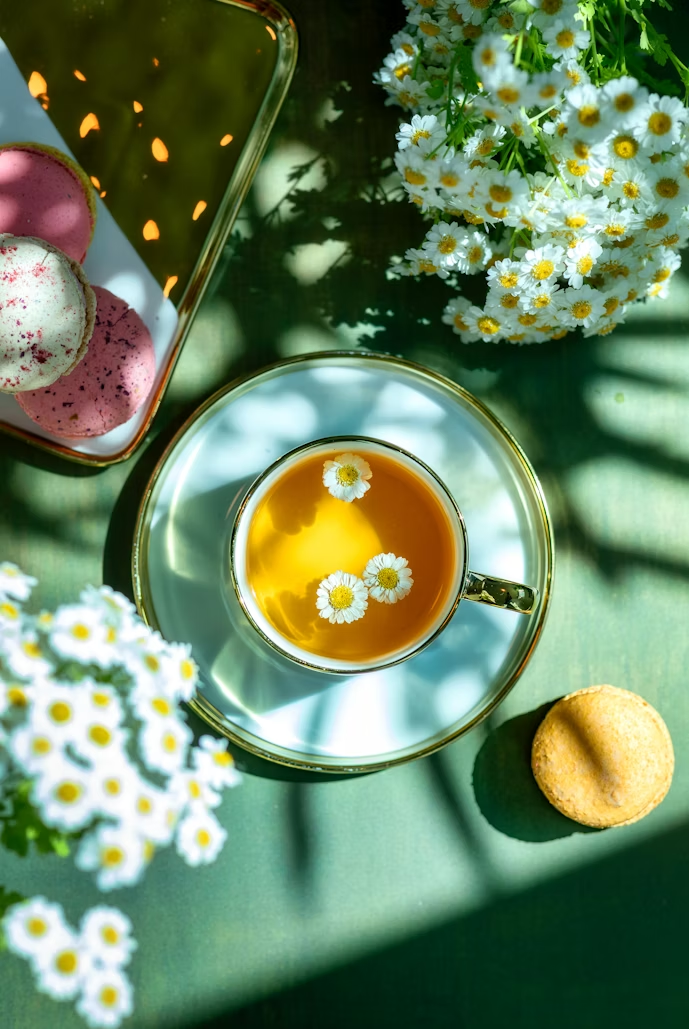
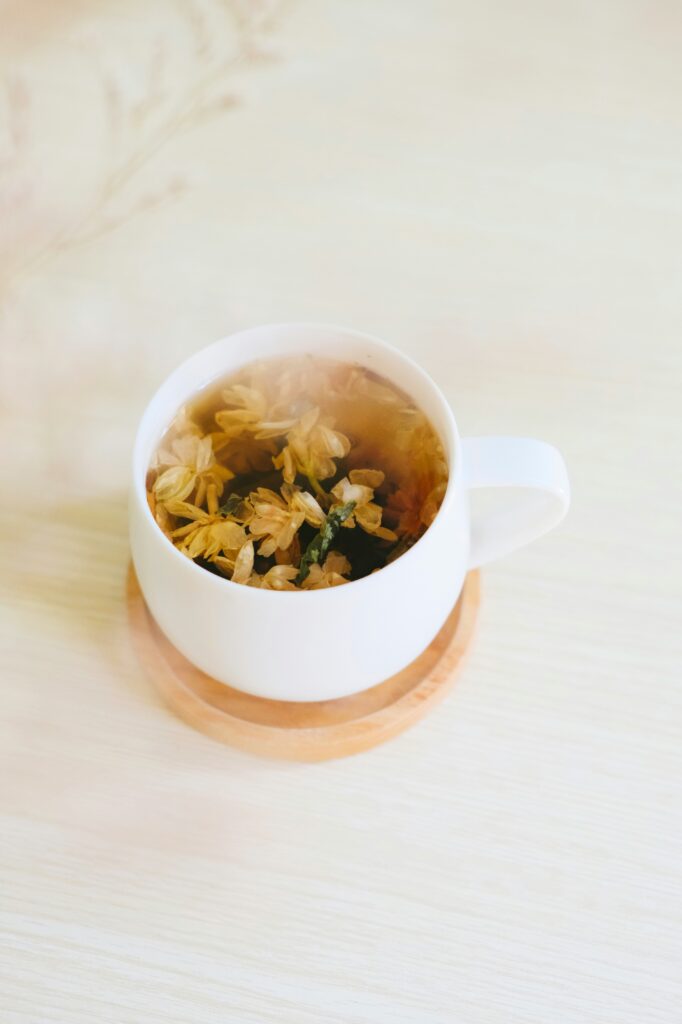
Three mugs. Three moments. One daily ritual that actually works.
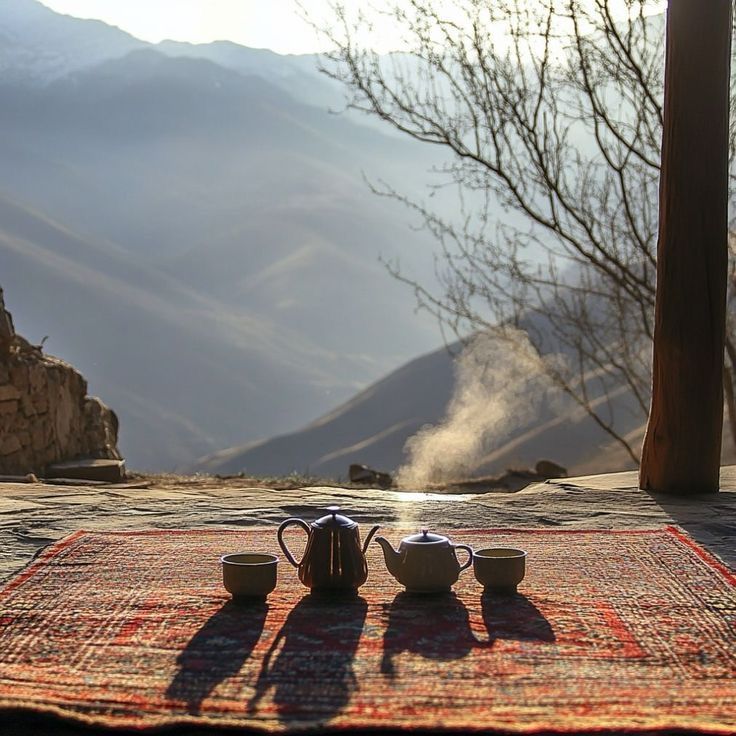
Morning ginseng tea for clean, sustained energy. Afternoon holy basil to keep cortisol from derailing your focus. Evening lemon balm to gently guide your nervous system toward rest. No caffeine crash, no supplements that make you feel wired at midnight — just three simple teas, timed intentionally, that support your body through the full arc of a demanding day.
I started experimenting with this stack during a particularly packed stretch: working deadlines during the day, blog writing in the evening, and maybe a little bit of free time squeezed into my schedule. Coffee was getting me through the morning but wrecking my sleep, and my energy levels were anything but consistent.
Ginseng tea before a long working session kept my output steady without the spike-and-drop. Holy basil became my anchor during the afternoon slump — the hour when Pinterest analytics were pulling my attention in five directions at once and my cortisol clearly hadn’t gotten the memo to settle down. And lemon balm, brewed slowly and drunk without a screen in sight, became the ritual that actually made sleep feel like something to look forward to rather than collapse into.
Functional tea is booming in 2026 for good reason. If you want to understand the deeper science behind why these herbs work the way they do, my Adaptogens for Steady Energy guide covers the full picture. This article is the practical companion — the recipes, the rituals, the timing, and a bonus immunity shot for good measure.
Let’s brew.
Table of Contents
Ginseng Tea: Morning Energy Without the Crash
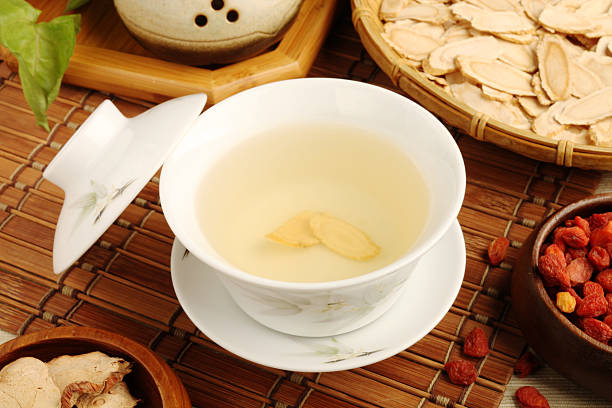
Why Ginseng Tea Works
Panax ginseng is one of the most thoroughly researched medicinal plants on the planet, and its reputation for supporting energy is well-earned. Its active compounds — ginsenosides — work on multiple systems at once, but the most relevant to morning energy is their effect on ATP production. ATP (adenosine triphosphate) is the actual fuel your cells run on. Everything your body does — thinking, moving, focusing — requires ATP. Ginseng doesn’t give you a jolt of adrenaline the way caffeine does; instead, it helps your mitochondria (the tiny energy factories inside each cell) produce ATP more efficiently. The result is energy that feels available rather than forced — present and steady rather than peaked and fragile.
On top of that, ginsenosides stimulate the release of nitric oxide in your blood vessel walls, causing them to relax and widen. Better circulation means more oxygen and glucose delivered to your brain and muscles — which is why studies have found panax ginseng improves physical energy output by around 18% and measurably reduces mental fatigue. For the full breakdown of ginseng’s mechanisms, see my Adaptogens for Steady Energy guide.
A standardised extract (4–7% ginsenosides) is the most reliable form, but brewing from dried, sliced ginseng root is a perfectly valid option — particularly if you enjoy the ritual of preparation and the slightly earthy, subtly sweet flavour that develops with a longer steep.

Recipe (makes 1 large mug)
Ingredients:
- 1 tsp sliced dried ginseng root (or 200 mg standardised extract opened into hot water)
- 200 ml water at 95°C
- ½ tsp honey (optional)
- A pinch of cinnamon
Instructions:
- Bring water to a full boil, then remove from heat and let it cool for 30 seconds — you want it just below boiling to avoid scorching the root.
- Add the ginseng and cinnamon to your cup or a small infuser.
- Cover and steep for 8 to 10 minutes. The longer steep draws out more ginsenosides, so resist the urge to rush it.
- Strain, stir in honey if using, and drink slowly. Take three deep breaths before your first sip — it sounds small, but it shifts your state before the ginseng even begins its work.
When to Drink It
45 minutes before a demanding activity works well — a workout, a long study block, a creative session. This gives the ginsenosides time to begin circulating before you need them. One cup per day is sufficient; more doesn’t translate to more benefit and can cause overstimulation in sensitive people.
Dosage & Safety
Use ginseng in a 5-days-on, 2-days-off cycle to prevent your body from adapting to its effects. Avoid if you have uncontrolled high blood pressure, as ginseng can raise blood pressure in some individuals. Check with your doctor if you’re taking blood thinners or diabetes medication.
Holy Basil Tea (Tulsi): Afternoon Stress Shield

Why Holy Basil Tea Works
If ginseng is your morning accelerator, holy basil (tulsi) is your afternoon stabiliser. Where ginseng adds energy, tulsi removes the friction that drains it — specifically, the cortisol spikes that turn a manageable afternoon into a foggy, scattered one.
Cortisol is your primary stress hormone, and in small, well-timed doses it’s genuinely useful — it sharpens focus and mobilises energy. The problem is that modern life keeps cortisol elevated almost continuously: back-to-back tasks, notification overload, the low-grade anxiety of an unfinished to-do list. Chronically elevated cortisol depletes neurotransmitters, disrupts blood sugar, suppresses immune function, and — critically — makes it much harder to think clearly or work creatively.
Tulsi’s key active compounds (eugenol, rosmarinic acid, and ursolic acid) help modulate the HPA axis — the hormonal chain of command that controls cortisol release. clinical research consistently links tulsi supplementation to measurable reductions in salivary cortisol. A separate study found a 16% improvement in physical endurance. Together, these effects don’t make you sleepy — they simply remove the background stress that was stealing your bandwidth.
Tulsi also helps stabilise blood sugar, which matters more to afternoon energy than most people realise. The post-lunch slump between 2 and 4 PM is often caused less by tiredness and more by a blood sugar dip following a carbohydrate-heavy meal. By helping moderate that response, tulsi smooths out your energy curve and keeps you functional through the hours when most people are reaching for a second coffee. You’ll find tulsi featured in several blend recipes in my Functional Herbal Teas for 2026 article as well.
Recipe (classic tulsi tea)
Ingredients:
- 1½ tsp dried tulsi leaves (or 12 fresh leaves, bruised between your fingers to release the oils)
- 250 ml freshly boiled water
- ½ tsp honey or coconut palm sugar
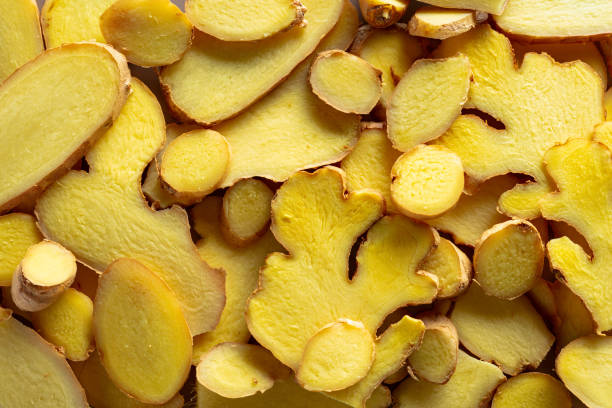
- 1 thin slice of fresh ginger (optional, adds a warming note and additional anti-inflammatory support)
Instructions:
- Add the tulsi (and ginger if using) to a cup or small teapot.
- Pour over freshly boiled water and steep for 5 to 7 minutes — you’re aiming for a warm, rose-copper colour and a fragrant, slightly clove-like aroma.
- Strain, sweeten lightly if desired, and let it cool for a minute before drinking.
- Before your first sip, close your eyes for one minute. Breathe in for 4 counts, hold for 7, exhale slowly for 8. This 4-7-8 breathing pattern activates your parasympathetic nervous system — the “rest and digest” mode — and works in direct synergy with the cortisol-lowering effect of the tulsi. It’s one of the most effective two-minute resets you can build into your afternoon.
When to Drink It
The window between 2 PM and 4 PM is ideal — right as the afternoon energy dip typically arrives and stress from the day has had time to accumulate. It’s also a good ritual anchor if you’re transitioning between different types of work, like moving from focused analytical tasks to creative output.
Dosage & Safety
One to two cups daily is well within safe limits. Avoid in combination with blood thinners. During pregnancy, stick to culinary amounts and consult a healthcare provider. For a broader look at how tulsi fits into a stress-management herb toolkit, see my Top 5 Herbs for Stress Relief.
Lemon Balm Tea: Evening Calm & Sleep Preparation
Why Lemon Balm Tea Works
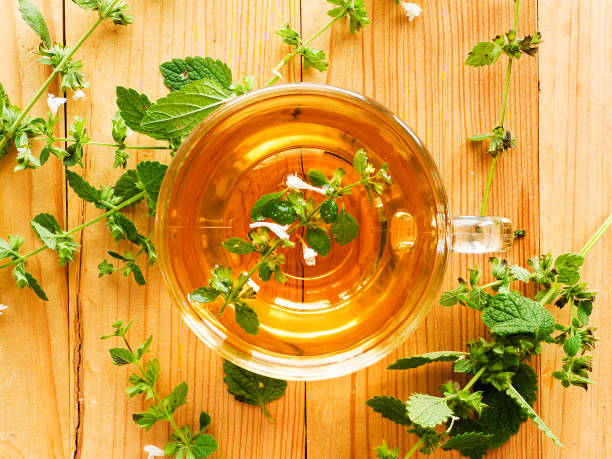
By the time evening arrives, your nervous system has absorbed hours of input — decisions, deadlines, screen light, social interactions, background worries. Lemon balm’s job is to help it all settle. It does this through a mechanism that’s both elegant and well-studied: it inhibits an enzyme called GABA transaminase, which normally breaks down GABA in the brain.
GABA is your brain’s primary inhibitory neurotransmitter — the chemical signal that tells your nervous system to slow down, reduce activity, and prepare for rest. Think of it as the dimmer switch for your mind. Most sleep troubles aren’t caused by a lack of tiredness; they’re caused by a nervous system that doesn’t know how to downshift — a brain still running at full processing speed even when the body is lying down. By keeping GABA levels elevated for longer, lemon balm helps facilitate that downshift naturally, without the grogginess associated with pharmaceutical sleep aids.
Research shows that lemon balm reduces anxiety symptoms, improves sleep quality, and shortens the time it takes to fall asleep. Paired with chamomile (which binds directly to GABA receptors) and lavender (which has measurable anxiolytic, or anxiety-reducing, effects through its interaction with the nervous system), you have three complementary mechanisms working together in a single cup. For a deep dive into lemon balm’s full profile, my dedicated Lemon Balm Guide covers the research in detail.
Recipe (evening sleep blend)
Ingredients:
- 1 tsp dried lemon balm
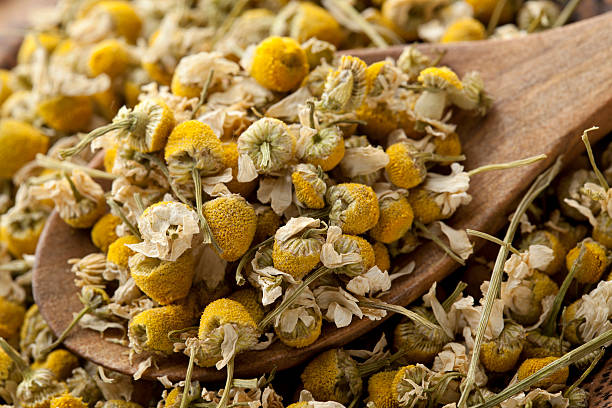
- ½ tsp dried chamomile flowers
- ½ tsp dried lavender blossoms
- 200 ml water at 90°C (not boiling — heat above 95°C damages the volatile oils that carry much of the effect)
- 1 tsp honey (optional)
Instructions:
- Combine the herbs in a tea infuser or small teapot.
- Pour over 90°C water and cover immediately — keeping the steam in preserves the aromatic compounds that would otherwise evaporate.
- Steep for 10 minutes. The longer steep is intentional here; lemon balm’s active compounds need more time to fully extract than more delicate herbs.
- Strain slowly, add honey if desired, and hold the mug in both hands for a moment before drinking. Notice the warmth, the scent.
- Drink 60 minutes before bed — not immediately before — to give your body time to absorb and respond to the herbs before you lie down.
The Evening Ritual
After your last screen of the day, dim the lights and brew this tea. While it steeps, write down three things: one thing you accomplished today, one thing you’re setting aside until tomorrow, and one thing you’re grateful for. This isn’t journaling for productivity — it’s a neurological offloading technique. Writing thoughts down literally reduces the mental “load” held in working memory, making it easier for your prefrontal cortex to disengage and allow sleep to arrive naturally. The tea and the writing work together in a way that either alone doesn’t quite match.
Dosage & Safety
One cup in the evening is the standard recommendation. Do not combine with sedative medication or benzodiazepines without consulting a doctor, as the GABA-enhancing effect can compound. Generally very well-tolerated; start with a lower amount if you’re particularly sensitive to calming herbs.
Bonus: 60-Second Immunity Shot
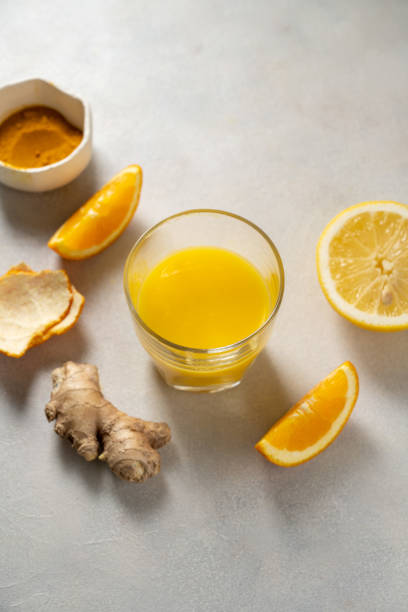
This isn’t a tea — it’s a daily habit that takes less than a minute and packs a genuinely impressive amount of immune support into 30 millilitres. Ginger and turmeric together create a synergistic effect on natural killer (NK) cells — the white blood cells your innate immune system deploys as a first-response force against pathogens and abnormal cells. The black pepper, as covered in my Functional Herbal Teas for 2026 article, increases curcumin’s bioavailability (the amount that actually reaches your bloodstream) by up to 2000%.
Recipe (makes 1 shot — approximately 30 ml)
Ingredients:
- 1 cm fresh ginger, peeled and roughly chopped
- ½ cm fresh turmeric root (or ¼ tsp turmeric powder)
- 1 tsp raw honey
- Juice of ½ lemon
- A pinch of black pepper
Instructions:
- Add all ingredients to a small blender or bullet blender with a tablespoon of water.
- Blend for 20 to 30 seconds until smooth.
- Strain through a fine mesh strainer or cheesecloth into a shot glass.
- Drink in one go, first thing in the morning before breakfast.
Safety note: Avoid high-dose ginger if you have gallstones or are on blood thinners. The amounts in this recipe are small enough to be safe for most people, but if in doubt, check with your doctor.

Your Daily Tea Stack Protocol
Here’s how the full daily ritual comes together. The timing is a suggestion, not a rule — adjust to your own schedule, but try to maintain the general morning-afternoon-evening rhythm.
| Time | Tea | Goal | Learn More |
|---|---|---|---|
| 08:00 | Ginseng tea | Sustained morning energy | Adaptogens Guide |
| 15:00 | Holy basil (tulsi) | Cortisol regulation, afternoon focus | Functional Teas |
| 21:00 | Lemon balm blend | Wind-down, sleep preparation | Lemon Balm Guide |
| Morning (daily) | Immunity shot | Immune resilience | — |
A few practical tips to make this stick:
- Rotate your herbs week by week to prevent your body from adapting and to keep each ritual feeling intentional rather than automatic
- Buy organic wherever possible — pesticide residue in herbs you’re steeping daily adds up
- Keep your water temperature at or below 90–95°C depending on the herb; boiling water is the most common mistake that degrades active compounds
- Prep your evening blend ingredients in a small jar before bed — the less friction, the more likely the habit sticks
FAQ
Can I drink all three teas on the same day?
Absolutely — that’s the whole point of the stack. The key is spacing them out across the day as described above, so each herb’s effect aligns with the moment you need it most. Drinking all three at once would be both less effective and unnecessarily intense on your system.
Is dried herb better than fresh?
For most of these recipes, yes. Dried herbs have a higher concentration of active compounds by weight than fresh, and they’re much easier to dose consistently. Fresh tulsi leaves are a lovely exception — bruising them releases aromatic oils that add a dimension to the flavour that dried doesn’t quite replicate. For standardised dosing (especially ginseng), extract capsules offer the most precision.
Can I make cold brew versions?
Yes, and it’s worth trying — particularly for tulsi and lemon balm. Add your herbs to cold water (roughly 1 tablespoon per 500 ml), cover, and refrigerate overnight for 8 to 12 hours. Cold brewing extracts a softer flavour profile and preserves heat-sensitive compounds. Ginseng root is less suited to cold brewing because its harder, woodier material genuinely needs heat to fully extract.
Can I add these teas to a smoothie or other drink?
You can use cooled brewed tea as a liquid base for smoothies — tulsi and lemon balm work particularly well this way. It’s a good option if you find the taste of any of these herbs too strong to drink straight.
What if I don’t notice any effect in the first week?
Give it two to four weeks before drawing conclusions. Adaptogens and nervines work gradually by restoring balance rather than forcing acute effects. If after a month of consistent daily use you notice no difference whatsoever, it may be worth considering whether the herb is addressing your actual bottleneck — stress, energy, or sleep — or whether something else is at play.
Start Your Tea Ritual Today
Three teas. Morning, afternoon, evening. A simple immunity shot to anchor your day at sunrise. That’s the full stack — no complicated protocols, no expensive equipment, nothing that requires more than ten minutes of your time.
The value isn’t just in the herbs themselves. It’s in the act of pausing, brewing, breathing, and being present for a few minutes at moments in your day when you’d otherwise push straight through. The tea teaches you to notice how your body actually feels — and to respond to it, rather than override it.
Which one are you making first? Drop it in the comments below, and if you’re pinning your mug photo to Pinterest, tag it so I can see your ritual.
For more on the herbs in this stack, explore the full Adaptogens for Steady Energy guide or browse the blend recipes in Functional Herbal Teas for 2026.