Back to Top 5 Stress Herbs overview
Rhodiola benefits for fatigue, focus & stress: dosage guide (SHR-5, WS1375), safety tips, vs ashwagandha comparison. Evidence-based 2026 guide.
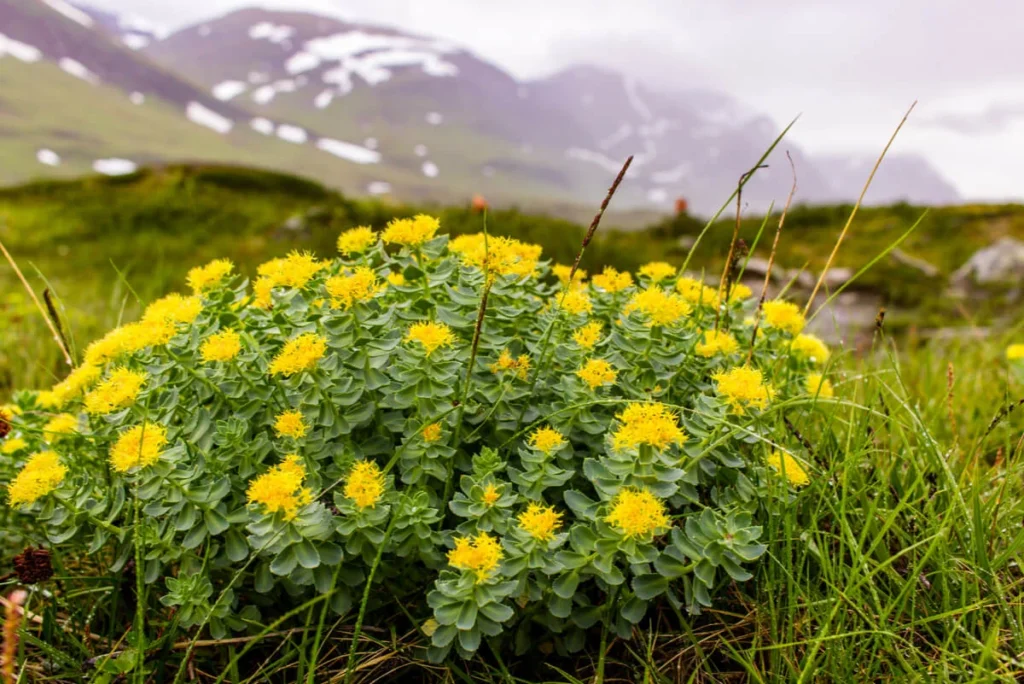
Table of Contents
1. Why a Deep Dive on Rhodiola?
If you’ve ever felt worn out from stress—not just tired, but drained, foggy, and struggling to get through the day—you might have looked for something that helps without causing drowsiness. Rhodiola rosea is often found in products for energy, focus, burnout, athletic performance, and mood. It’s sometimes called a “natural stimulant,” “brain booster,” or “stress resilience herb.”
This guide focuses on rhodiola itself:
- What it actually is and where it comes from
- What the science says it can help with (especially fatigue, mental performance, and stress resilience)
- How it seems to work in the brain and body
- Which types of extracts and doses are used in studies
- And, importantly, who should be careful or avoid it
Use this guide as a reference if you’re considering adding rhodiola to your routine for stress, mental clarity, or physical performance.
2. Rhodiola Profile: What It Is & Where It Comes From
Botanical basics
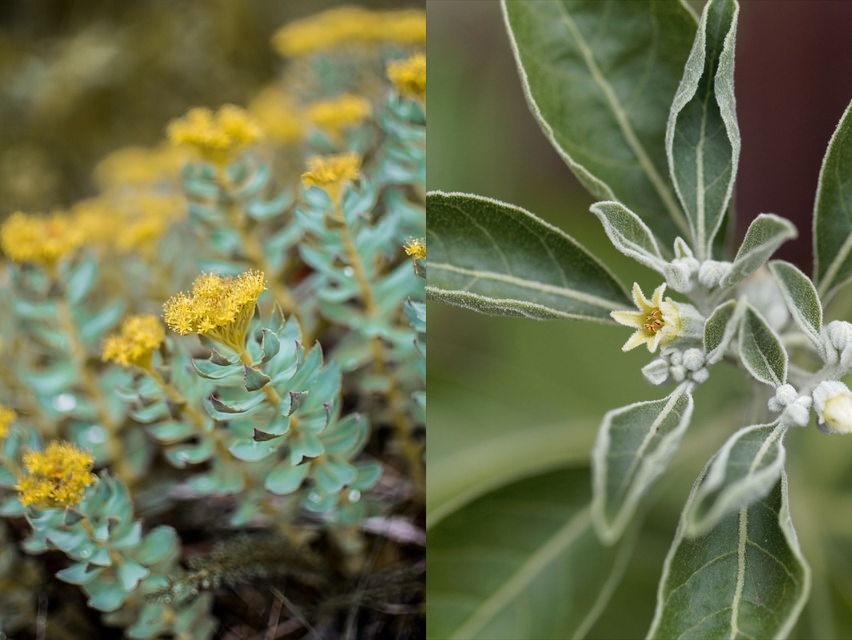
Rhodiola rosea is a hardy, perennial succulent that grows in some of the harshest environments on Earth. It has:
- Thick, fleshy leaves and clusters of small yellow flowers
- A thick rhizome (underground stem) and roots, which are the main parts used for medicine
- A natural habitat in cold, mountainous regions of Europe, Asia, and the Arctic (Scandinavia, Siberia, the Alps, the Himalayas)
This plant grows well in harsh places like high altitudes, rocky soil, and cold weather. For centuries, people have valued rhodiola’s toughness. For example, legends say Viking warriors used rhodiola on long journeys, and Soviet-era mountaineers took rhodiola extract to handle the stress and fatigue of climbing at high altitudes. Its ability to survive in tough conditions is one reason it’s seen as a tonic for strength and resilience.
Traditional names and historical use
Rhodiola has many names showing its geography and uses:
- Golden root or Arctic root in Scandinavia and Russia
- Rose root because the fresh-cut rhizome has a faint smell like roses
- In traditional medicine systems across Siberia, Scandinavia, and Tibet, it was used for:
- Increasing stamina and endurance in harsh climates
- Decreasing fatigue and weakness
- Supporting mood and mental clarity
- Improving physical work capacity and high-altitude adaptation
Vikings are said to have used rhodiola to stay strong on long journeys. Sherpa guides in the Himalayas have also used it to handle high altitudes and physical effort.

Taste and energetic profile
- Taste: slightly bitter, astringent, with a slight rose-like aroma when fresh
- In herbal traditions, rhodiola is considered warming, energizing, and strengthening, especially for people who feel cold, run down, or stuck from ongoing stress.
Modern label: an adaptogen
Today, herbalists and researchers call rhodiola an adaptogen. Adaptogens are plants that help the body handle stress and support balance in the nervous, hormonal, and immune systems.
For rhodiola, this mainly means it can:
- Boost the body’s resistance to physical, mental, and emotional stress
- Support recovery from stress-related exhaustion
- Improve mental and physical performance under stressful conditions
Unlike stimulants like caffeine, which can push your body and lead to a crash later, rhodiola is thought to help you use energy more efficiently and recover more easily.
3. Evidence-Based Benefits (What Rhodiola Can Help With)
Rhodiola has been tested in numerous human studies. While many are small or of moderate quality, several systematic reviews and meta-analyses have combined their results.
3.1 Stress-related fatigue and burnout
Multiple randomized controlled trials and reviews demonstrate that rhodiola can:
- Reduce symptoms of stress-related fatigue, burnout, and exhaustion
- Improve self-reported mental and physical performance under stress
- Increase the overall quality of life in people experiencing chronic stress
A 2017 multicenter clinical trial with 118 patients suffering from burnout found that 400 mg/day of rhodiola extract (WS® 1375) for 12 weeks significantly improved symptoms of emotional exhaustion, fatigue, depersonalization, and overall burnout scores. Many improvements appeared within the first week and continued to strengthen over time.
A 2009 randomized, double-blind, placebo-controlled trial with 60 individuals suffering from stress-related fatigue found that 576 mg/day of SHR-5 extract for 28 days significantly reduced fatigue, improved attention and mental function, and enhanced general well-being compared to placebo.
A 2022 systematic review concluded that rhodiola rosea preparations can reduce stress symptoms, anxiety, and fatigue, and enhance overall well-being, with effects often appearing within 1–2 weeks of use.
3.2 Mental performance and mental function
Several trials report improvements in:
- Attention, focus, and information processing speed
- Mental fatigue and cognitive endurance during demanding tasks
- Learning and memory (especially in preclinical models)
A 2000 double-blind, placebo-controlled trial with young, healthy physicians working night shifts found that 170 mg/day of rhodiola extract (SHR-5) for 2 weeks significantly boosted cognitive function, reduced mental fatigue, and increased performance on tests of associative thinking, short-term memory, and calculation.
A 2018 meta-analysis of preclinical studies found that rhodiola improved learning and memory function in animal models through antioxidant, cholinergic regulation, anti-apoptosis, and anti-inflammatory mechanisms.
3.3 Physical performance and endurance
Research on athletes and physically active individuals shows that rhodiola may:
- Improve VO₂max (maximal oxygen uptake)
- Increase time to exhaustion and time trial performance
- Reduce muscle damage markers like creatine kinase (CK)
- Enhance antioxidant capacity during and after exercise
A 2025 meta-analysis of 11 studies on endurance performance found that rhodiola supplementation significantly improved VO₂max (effect size 0.32, p < 0.01), time to exhaustion (effect size 0.38, p < 0.05), and time trial performance (effect size -0.40, p < 0.05). For everyday context, this means improvements were moderate: for example, a time trial effect size of -0.40 could translate to shaving about 30 seconds off a typical 5-km run, or adding several extra minutes before reaching exhaustion during exercise. Subgroup analysis showed that doses exceeding 600 mg/day had a more pronounced effect on VO₂max.
A 2023 systematic review of randomized controlled trials concluded that acute supplementation with rhodiola has a positive effect on endurance performance and rating of perceived exertion (RPE), while chronic supplementation may positively impact anaerobic performance and muscle damage.
3.4 Mood support (mild depression and anxiety)
A handful of trials suggest rhodiola may help with:
- Mild to moderate depression
- Generalized anxiety symptoms
A 2007 phase III clinical trial with 89 patients with mild to moderate depression found that 340 mg/day or 680 mg/day of SHR-5 extract for 6 weeks significantly improved overall depression scores, insomnia, emotional instability, and somatization compared to placebo, though self-esteem did not improve significantly.
A 2008 pilot study with 10 individuals with generalized anxiety disorder found that 340 mg/day of rhodiola extract for 10 weeks significantly reduced anxiety scores and improved general well-being.
The most clearly supported benefits are:
- Stress-related fatigue and burnout (strongest evidence)
- Mental performance and focus under stress
- Physical durability and recovery in athletes
- Mild mood support (emerging evidence)
4. How Rhodiola Works in Body & Brain
The full biochemistry is complex, but here’s a simple way to look at it:
Think of your body’s stress response like a car engine. Chronic stress is like keeping your foot on the gas, using up fuel and putting strain on the system. Rhodiola may help by:
- Tuning the engine (regulating the HPA axis)
- Boosting fuel efficiency (supporting mitochondria and energy metabolism)
- Providing better fuel (modulating neurotransmitters)
- Protecting the engine (decreasing oxidative stress and inflammation)
4.1 Tuning the stress thermostat (HPA axis regulation)
The HPA axis (hypothalamus–pituitary–adrenal axis) controls how much cortisol is released in response to stress.
Preclinical and clinical work shows that rhodiola:
- Dampens excessive stress hormone responses, reducing corticosterone/cortisol surges during acute stress
- Modulates stress-responsive genes in key brain regions (hippocampus, prefrontal cortex, amygdala)
- Reduces stress-activated protein kinases (SAPK/JNK), nitric oxide, and inflammatory cytokines that drive HPA overactivation
A mechanistic review notes that adaptogens like rhodiola interfere with excessive HPA activation by reducing CRH (corticotropin-releasing hormone) and cortisol, helping the feedback loop reset so the stress response is more proportionate and efficient.
4.2 Supporting mood and focus (monoamine modulation)
Rhodiola appears to increase levels of serotonin, dopamine, and norepinephrine—the three “monoamine” neurotransmitters closely linked to mood, motivation, focus, and energy.
How it does this:
- MAO inhibition: Rhodiola has been shown to inhibit monoamine oxidase A and B (MAO-A/B), enzymes that break down serotonin, dopamine, and norepinephrine. By slowing their breakdown, rhodiola may increase their availability in the brain.
- Receptor modulation: Some evidence suggests rhodiola stimulates receptors for noradrenaline, serotonin, dopamine, and acetylcholine, supporting mood, focus, and mental performance under stress.
This is part of why rhodiola is often called “uplifting” or “energizing” without being too stimulating. It supports the brain’s natural motivation and focus systems instead of forcing them.
4.3 Boosting brain growth and robustness (BDNF and neuroplasticity)
BDNF (brain-derived neurotrophic factor) is a protein that supports the survival, growth, as well as adaptability of neurons. Higher BDNF is associated with better learning, memory, affect regulation, and resilience to stress.
Research suggests that rhodiola:
- Increases BDNF levels in neuronal cell lines and animal models
- Promotes neurite outgrowth (the growth of new neuronal branches) even under corticosteroid-induced stress
- Alters cortical plasticity in humans, as measured by transcranial magnetic stimulation (TMS) and transcranial direct current stimulation (tDCS), which may relate to its mood- and stress-modulating effects
So, rhodiola may not only ease stress symptoms but also help your brain adapt, learn, and recover from stress over time.
4.4 Improving cellular energy and toughness (mitochondria and antioxidants)
Chronic stress damages mitochondria (the energy factories of cells) and increases oxidative stress (damage from reactive oxygen species, or ROS).
Rhodiola extracts have been shown to:
- Scavenge reactive oxygen species (ROS), neutralizing free radicals before they damage cells
- Improve mitochondrial bioenergetics, helping cells produce energy more efficiently
- Increase antioxidant enzymes like superoxide dismutase (SOD) and total oxidant capacity (TOC)
- Reduce lipid peroxidation (a marker of oxidative damage) in stressed tissues
A 2022 in vitro study found that rhodiola extract (WS® 1375) increased cell viability, scavenged ROS, and balanced corticosteroid effects in human and mouse nerve cell lines. The effect followed a typical biphasic dose-response curve (U-shape or inverted U-shape), which is common for adaptogenic plants. This means moderate doses worked best.
In short, rhodiola helps your cells make and use energy better, especially during stress, and protects them from stress-related damage.
5. Forms & Extracts: Powders, SHR-5, WS® 1375 & More
Not all rhodiola supplements are the same. Three main things vary:
- Which part of the plant (rhizome/root)
- Extraction method (water, alcohol, or both)
- Standardization (how much rosavin and salidroside per dose)
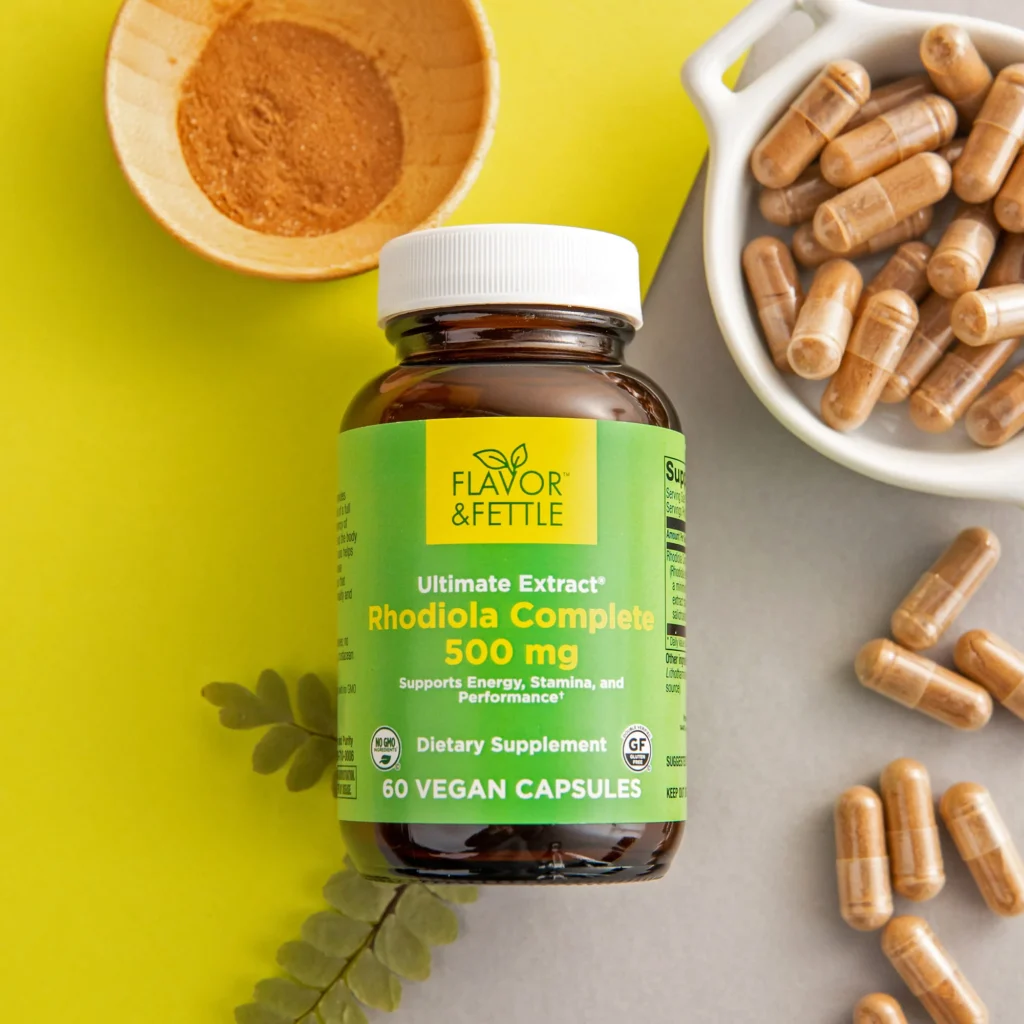
5.1 Common types you’ll see on labels
Plain root powder
- Typically, just dried and ground rhizome/root
- This is the traditional form, but it isn’t standardized, so the amount of active compounds can change from batch to batch.
- Dosage in traditional use is often higher (e.g., 3–6 g/day)
Standardized root extracts
Extracted and standardized to specific percentages of rosavins and salidroside—the two main groups of active compounds.
The most common standardization is:
- 3% rosavins and 1% salidroside (the ratio used in most clinical research)
Branded extracts used in clinical trials
- SHR-5® – One of the most widely studied rhodiola extracts, standardized to 3% rosavins and 1% salidroside. Used in trials on stress, fatigue, depression, cognitive function, and physical performance. Typical doses: 170–680 mg/day.
- WS® 1375 – Another well-researched extract, standardized to 3.07% rosavins and 1.02% salidroside. Used in trials on burnout and fatigue. Typical dose: 200–400 mg/day.
- Other extracts – Some products use different ratios or focus more on salidroside content. These may still be effective, but they don’t have the same clinical backing as SHR-5 or WS® 1375.
5.2 How to read a label (practically)
Instead of just scanning for jargon, try using these practical shopper questions when considering a rhodiola product:
Ask the seller or check the label:
– Is this product standardized? For example, does it say “standardized to 3% rosavins and 1% salidroside”? This means the active compounds are measured and controlled. The 3:1 ratio is the most studied.
- What is the dose of rhodiola per capsule or serving? (Look for clear info such as “200 mg extract standardized to 3% rosavins (6 mg) and 1% salidroside (2 mg)”.)
- What part of the plant is used? (Check for “Rhodiola rosea rhizome/root extract” instead of vague terms like “rhodiola blend.”)
- What quality testing has been done? (Third-party, heavy metals, or pesticide testing, and whether the brand is reputable.)
- Ask yourself:
- Is the ingredient list transparent and free of proprietary blends that hide real amounts?
- Are the amounts of rosavins and salidroside listed?
- Does it contain added stimulants like caffeine or guarana? (Avoid, unless you specifically want them.)
- And a final safety question: Are there any red flags, like ambiguous “proprietary blends” or products that don’t list rosavins and salidroside content? If so, it’s best to skip that option.
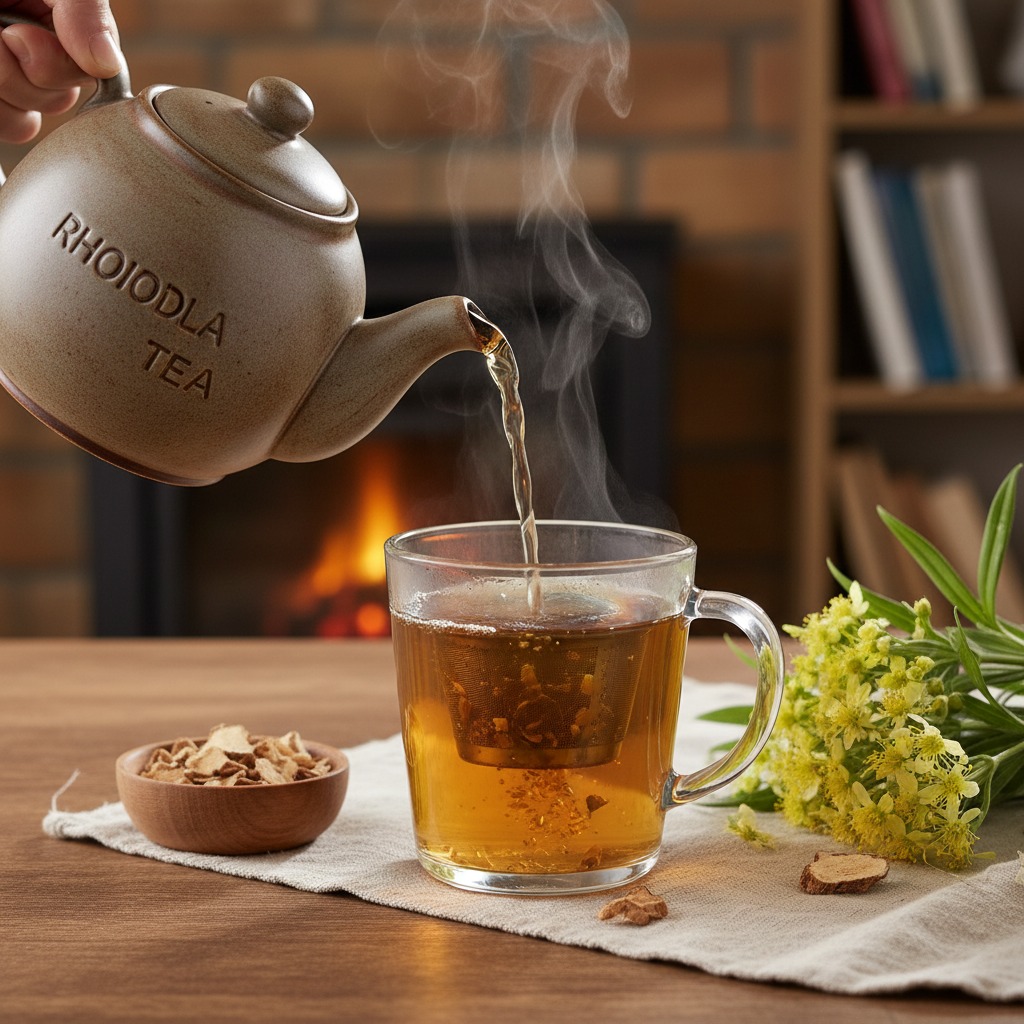
You can also use rhodiola root in tea. Try our Energy & Resilience Tea Blend for a practical way to incorporate rhodiola into your morning routine.
6. Dosage: What Studies Actually Use (and How to Start)
6.1 Dosage ranges in research
Across randomized controlled trials and systematic reviews, typical doses are:
- 170–680 mg/day of standardized rhodiola extract (3% rosavins, 1% salidroside)
- Duration: 2 weeks to 12 weeks (most often 4–8 weeks)
More detailed:
- For stress-related fatigue and burnout: 200–400 mg/day for 4–12 weeks. For visual reference, 200 mg is about the weight of a small peppercorn or a large paperclip, making it easier to picture the actual amount.
- For cognitive performance and mental fatigue: 170–576 mg/day for 2–4 weeks
- For physical performance: 200–680 mg/day for 2–12 weeks, with some evidence suggesting doses >600 mg/day may be more effective for endurance
- For mild depression and anxiety: 340–680 mg/day for 6–10 weeks
For plain root powder, traditional doses are often expressed in grams (e.g., 3–6 g/day), but because the active compound content varies, it is difficult to compare with extracts.
6.2 A practical starting framework (for healthy adults)
This isn’t personal medical advice. It’s just an example of how people often start. Always adjust based on your health and your doctor’s guidance. You are sensitive or unfamiliar with herbs:
- Start around 100–200 mg/day of a standardized root extract in the morning with food
- Take it once daily for 1–2 weeks to see how your body responds
- Rhodiola is mildly stimulating for some people, so taking it in the morning or early afternoon is usually best
If you tolerate it well and want to move toward typical study doses:
- Increase to 200–400 mg/day, either once in the morning or split morning + early afternoon
- Duration: Try a 4–8 week block, then reassess
Important timing notes:
- Take rhodiola in the morning or early afternoon, not in the evening or before bed, since it can interfere with sleep for some people. Use (single dose before a demanding task) has been shown to improve performance in some studies, but chronic use (several weeks) is needed for full adaptogenic effects on stress resilience
6.3 Cycling and long-term use
- Most clinical trials run for 4–12 weeks
- Some herbalists suggest cycling rhodiola, such as taking it for 8 weeks and then taking 2 weeks off, to keep it effective. However, research does not strongly support this approach.
- Long-term safety beyond 12 weeks is less well studied, so if you plan to use rhodiola for longer periods, periodic breaks and medical supervision are wise
Always:
- Follow the dose on the specific product label
- Consider lower doses if you are smaller, older, or more sensitive
- Pay attention to how you feel. If you get overstimulated, jittery, or have trouble sleeping, lower the dose or take it earlier in the day.
7. Safety: Common Side Effects, Real Risks & Who Should Avoid It
Most clinical trials report that standardized rhodiola is well tolerated at typical dosages (200–680 mg/day) for up to 12 weeks. Across multiple reviews, no serious adverse events have been reported with typical dosing.
7.1 Common, usually mild side effects
In trials and reviews, people sometimes report:
- Mild dizziness or jitteriness (especially at higher doses or if taken late in the day)
- Difficulty sleeping or tossing and turning if taken in the evening
- Dry mouth
- Occasional headache
- Digestive upset (rare)
These effects are usually mild and often go away if you change the dose or when you take it.
7.2 Thyroid concerns (important for some people)
Rhodiola may interact with thyroid function:
- Some animal studies suggest rhodiola may lower thyroid hormone levels
- There is limited human data, but people on thyroid medication (levothyroxine, etc.) should use rhodiola with caution and monitor thyroid levels with their doctor
- If your thyroid testing is irregular or you have a thyroid disorder, consult your physician before starting rhodiola
7.3 Autoimmune disorders
Rhodiola can stimulate the immune system, which may worsen symptoms of autoimmune conditions such as:
- Rheumatoid arthritis
- Inflammatory bowel disease (Crohn’s disease, ulcerative colitis)
- Multiple sclerosis
- Lupus
- Autoimmune thyroid disorders (Hashimoto’s thyroiditis, Graves’ disease)
If you have an autoimmune condition, avoid rhodiola or use it only with close medical supervision.
7.4 Drug interactions
Rhodiola may interact with certain medications:
- Cytochrome P450 3A4 (CYP3A4) substrates: Rhodiola may increase how quickly the liver breaks down some medications, which may reduce their effectiveness. This includes some statins, calcium channel blockers, immunosuppressants, and others. Talk to your healthcare provider if you take any medications changed by the liver.
- Sedatives and CNS depressants: Rhodiola’s stimulating effect may counteract sedative medications (though this interaction is more theoretical than well-documented).
- Antidepressants (SSRIs, MAOIs): Because rhodiola affects serotonin and may have mild MAO-inhibiting effects, combining it with antidepressants should be done cautiously and under medical guidance to avoid serotonin syndrome (though this is rare).
7.5 Groups that should generally avoid or only use under medical guidance
Based on current evidence and expert reviews:
- Pregnant or breastfeeding people – not enough safety data
- Children – pediatric data are limited; not recommended without specialist guidance
- People with autoimmune diseases (as discussed above)
- People with bipolar disorder or a history of mania – any stimulating adaptogen could, in theory, trigger mood swings; medical guidance is essential
- People on thyroid medication – monitor levels closely
- People on multiple psychotropic medications – risk of interactions
- Before surgery – often recommended to stop herbal supplements 1–2 weeks before operations because of potential effects on anesthesia and bleeding
7.6 A quick safety reminder:
If you have a complex medical history, take prescription medication, or are pregnant, breastfeeding, or planning surgery, treat rhodiola like a medicine. Talk to your doctor before starting. Rhodiola vs Ashwagandha: A Quick Comparison
Both rhodiola and ashwagandha are adaptogens used for stress, but they work differently and fit different needs.
| Aspect | Rhodiola | Ashwagandha |
| Primary effect | Energizing, uplifting | Calming, grounding |
| Best for | Stress-related fatigue, burnout, mental performance, physical endurance | High stress load, anxiety, insomnia, feeling “wired and tired” |
| Mechanism | Increases monoamines (serotonin, dopamine, norepinephrine) via MAO inhibition; improves mitochondrial function | Regulates HPA axis and lowers cortisol; increases GABAergic activity |
| Timing | Morning or early afternoon | Evening or split morning + evening |
| Effect on sleep | Can interfere with sleep if taken late | Often improves sleep onset and quality |
| Effect on mood | Uplifting, anti-fatigue | Calming, reduces anxiety |
| Effect on energy | Increases mental and physical energy | Reduces “tired but wired” feeling; supports recovery |
| Clinical evidence | Strong for fatigue, cognitive performance, physical endurance | Strong for anxiety, stress, sleep, cortisol reduction |
| Side effect profile | Mild stimulation, possible jitteriness | Mild sedation, possible digestive upset |
In short:
- Choose rhodiola if you feel exhausted, foggy, unmotivated, or drained by stress, and need energy and clarity free of caffeine.
- Choose ashwagandha if you feel anxious, restless, unable to shut off at night, or have high cortisol symptoms.
- Some people use both, taking rhodiola in the morning and ashwagandha in the evening, for complementary adaptogenic support.
A 2024 review comparing the two concluded: “Rhodiola rosea has more of an energising effect while ashwagandha has sleep-promoting effects. Rhodiola rosea may tentatively be assigned as a regenerative ‘tonic vitalizing’ adaptogen, supporting stress-associated fatigue and weakness in several physical and psychological contexts.”
For more details on ashwagandha, see our Ashwagandha Complete Guide.
8. How to Choose a Good Rhodiola Product
To help you shop more wisely, here’s a simple checklist.
8.1 Quality checklist
When evaluating a supplement, look for:
- Clear plant name and part: “Rhodiola rosea rhizome/root extract” rather than vague “rhodiola blend”
- Standardization: e.g., “standardized to 3% rosavins and 1% salidroside”
- Dose per capsule: e.g., “200 mg extract (providing 6 mg rosavins and 2 mg salidroside)”
- Testing: mention of third-party testing, heavy metal/microbe testing
- Transparent ingredient list: minimal fillers, no unnecessary proprietary blends that hide real amounts
- Reputable brand: Look for brands that invest in quality sourcing and testing (e.g., those used in clinical trials, or with certifications like NSF, USP, or ConsumerLab verification)
Avoid:
- Products that don’t list rosavins and salidroside content
- Products with only salidroside standardization (this doesn’t reflect the full traditional or clinical profile)
- Products with added stimulants (caffeine, guarana), unless that’s what you want
9. How to Start: A Gentle, Step-by-Step Approach
You can give yourself a simple protocol outline like this:
9.1 Clarify your “why”
- Burnout or exhaustion from work/study?
- Brain fog or lack of focus?
- Low motivation or mood?
- Physical performance or recovery?
This helps you notice if rhodiola is really making a difference for you.
9.2 Choose a standardized root extract
- Aim for a 200–400 mg/day range (3% rosavins, 1% salidroside), depending on sensitivity and label
9.3 Start low for 1–2 weeks
- Example: 100–200 mg in the morning with food or tea
- Notice: energy levels, mental clarity, mood, sleep quality, and any jitteriness or overstimulation
9.4 If you handle it well, you can try moving up to a typical study dose
- Example: 200–400 mg once daily in the morning, or 200 mg morning + 200 mg early afternoon (total 400 mg/day)
- Avoid taking rhodiola after 2–3 PM if you notice any sleep disruption
9.5 Give it time
- Realistic window: at least 2–4 weeks for acute effects (energy, focus), and 6–8 weeks for full adaptogenic effects on stress resilience plus burnout
9.6 Check in with your body
- Are you more energized and focused?
- Is your mood more stable?
- Are you recovering better from stress or exercise?
- Any side effects (jitteriness, sleep problems, weird symptoms)?
If uncertain, take a 1–2 week break and see what changes.
9.7 Avoid “mega-dosing” or stacking with many strong herbs at once
- Taking more isn’t always better. Rhodiola works best at moderate doses, since it follows a biphasic dose-response curve.
- It can also make it harder to notice side effects or benefits if you’re taking many supplements at once.
10. A Simple Rhodiola Ritual (to Make It More Than Just a Pill)
Rhodiola fits especially well into a morning “activation” ritual—a small routine that signals to your body and mind: “Now we begin the day with energy and intention.”

Morning rhodiola + intentional activation
About 20–30 minutes before you need to focus or begin your day:
- Take your rhodiola dose with a glass of water or a warm, non-caffeinated drink (e.g., ginger tea, lemon water, or our Energy & Resilience Tea Blend)
- Step outside or near a window for 5–10 minutes of morning sunshine exposure. This supports your circadian rhythm, cortisol awakening response, and natural energy regulation.
- Do 5 minutes of gentle movement: stretching, yoga, a short walk, or even just a few rounds of slow, deep breathing (4 counts in, 6 counts out). Movement activates your body’s natural energy systems and complements rhodiola’s uplifting effect.
- Write down three intentions for the day:
- One thing you want to accomplish (task or goal)
- One way you want to feel (energized, focused, calm, etc.)
- One thing you are grateful for (to anchor your mindset)
Repeating a small ritual like this helps your brain connect to rhodiola with energy, clarity, and purpose, making it part of your self-care routine.
11. Bringing It All As One
Rhodiola rosea is one of the best-researched adaptogens for stress-related fatigue and mental performance. Clinical studies suggest it can:
- Reduce stress-related fatigue and burnout symptoms
- Boost mental clarity, focus, and cognitive performance under stress
- Improve physical endurance and recovery in athletes
- Support mild emotional improvement in depression and anxiety
It appears to function through multiple mechanisms:
- Regulating the HPA axis (the stress thermostat)
- Increasing monoamines (serotonin, dopamine, norepinephrine) via MAO inhibition
- Supporting mitochondrial function and energy production
- Boosting BDNF and neuroplasticity (brain growth and durability)
- Lowering oxidative stress and inflammation
At the same time, responsible use means:
- Respecting dosage ranges that have actually been studied (roughly 200–400 mg/day of standardized extract, for 2–12 weeks)
- Being aware of potential interactions with thyroid medication, autoimmune conditions, and certain drugs
- Avoiding use in pregnancy, breastfeeding, autoimmune disease, bipolar disorder, and complex medical situations without medical supervision
- Taking it in the morning or early afternoon, not before bed
When you see rhodiola as a helpful support—not a magic cure—it can be a useful part of a bigger plan that includes rest, healthy boundaries, movement, light exposure, and other lifestyle or herbal supports.
If you’re exhausted from stress, struggling with brain fog, or need energy without the crash of stimulants, rhodiola may be worth exploring. Start low, pay attention to how your body responds, and give it time to work.
Scientific backing:
- 2017 burnout trial (118 patients, WS® 1375) https://pmc.ncbi.nlm.nih.gov/articles/PMC5370380/
- 2009 fatigue trial (SHR-5, 576 mg/day) https://pubmed.ncbi.nlm.nih.gov/19016404/
- 2025 meta-analysis on endurance (VO₂max improvement) https://pmc.ncbi.nlm.nih.gov/articles/PMC12507841/
- 2007 depression trial (SHR-5, 340–680 mg/day) https://pubmed.ncbi.nlm.nih.gov/17990195/
- MAO inhibition mechanism https://www.sciencedirect.com/science/article/abs/pii/S037887410900021X
- BDNF and mitochondria studies https://onlinelibrary.wiley.com/doi/10.1155/2022/5647599
- Safety data (no serious adverse events) https://pmc.ncbi.nlm.nih.gov/articles/PMC12693935/