Discover the top 5 herbs for stress relief, backed by clinical trials and neuroscience, plus safe dosage tips and how to choose the right herb for you.
Table of Contents
Modern life puts a lot of pressure on our nervous systems. Constant notifications, packed schedules, and the feeling of always being available can quietly wear us down. After a while, low-level stress can start to feel normal—tight shoulders, shallow breathing, and a restless mind that won’t settle at night.
Many people use herbs as a gentle way to help their bodies relax. An evening cup of tea, a few drops of tincture before bed, or taking a capsule with a deep breath can be small moments of calm in a busy day. These habits won’t erase stress, but they can help support your nervous system.
However, not all “anti‑stress herbs” online have strong science behind them. This 2026 guide focuses on five herbs loved in traditional herbalism and supported by clinical research in humans for stress, anxiety, and sleep. Over 60 randomized controlled trials and reviews have assessed these herbs in clinical settings, giving a higher level of confidence that their effects are more than just anecdotal. Think randomized controlled trials, systematic reviews, and in some cases, comparisons with standard anxiety medication.
This article is for people facing mild to moderate everyday stress—such as tension, worry, trouble relaxing at night, or feeling both tired and restless. Herbs are not a substitute for therapy, medication, or professional help if you have severe anxiety, depression, or other mental health issues. In those cases, always talk to a doctor or therapist.
Here’s a quick overview of the five main herbs. For each one, you’ll see what it is, what research says, how people usually use it, and how it works in the brain and body.
How This List Was Made (Evidence in 2026)
When searching “herbs for stress”, dozens of names appear: from kava to valerian to skullcap. To keep this guide clear and trustworthy, the list focuses on herbs that meet three main criteria:
- Human clinical studies: randomized controlled trials, systematic reviews, or meta‑analyses in humans looking at stress, anxiety, or sleep.
- Oral use: capsules, standardized extracts, teas, or tinctures (not only aromatherapy).
- Everyday stress: studies mostly done in adults with mild to moderate stress or anxiety, not severe psychiatric illness.
Key sources include clinical reviews and trials on ashwagandha, rhodiola, lemon balm, passionflower, and lavender conducted between roughly 2007 and 2025.
This isn’t a complete list of helpful plants, but it’s a focused selection of five herbs with some of the best and most consistent evidence so far.
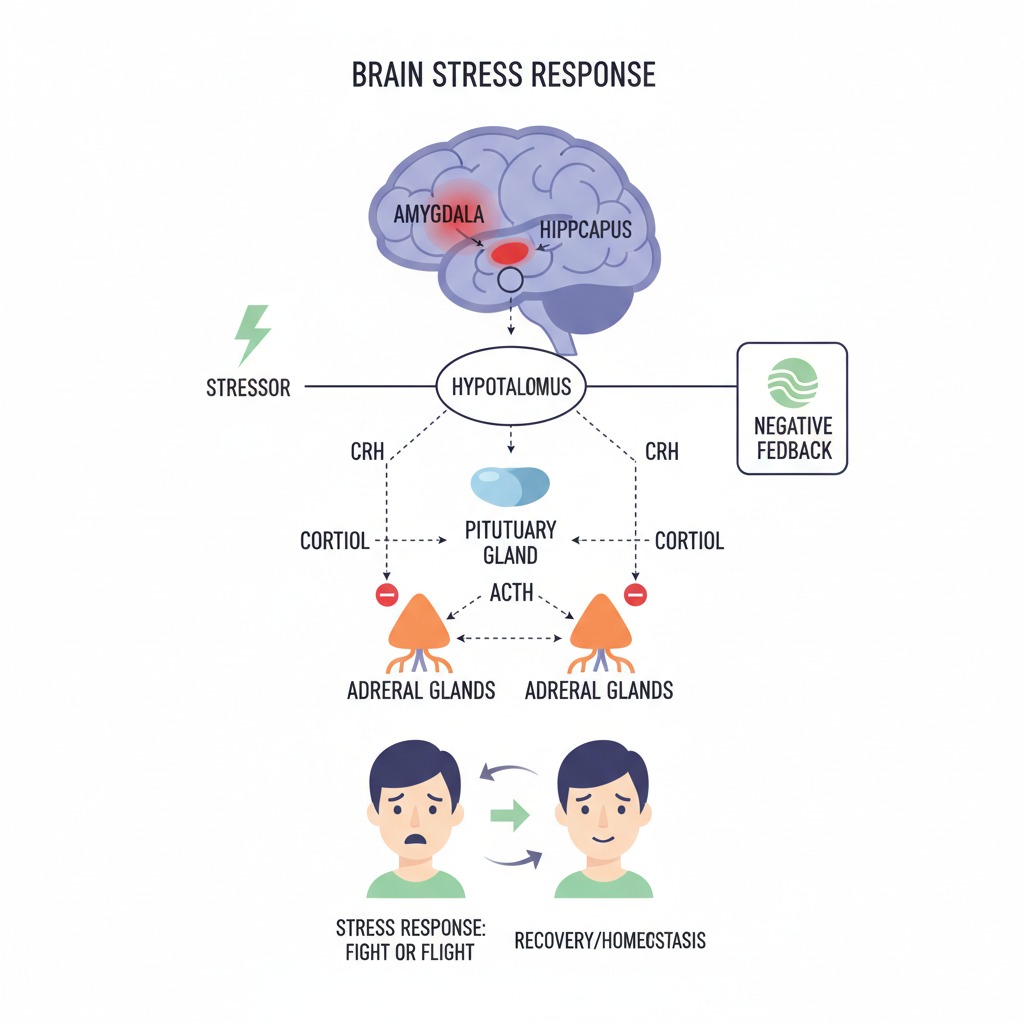
A Quick Look at Stress in the Brain (HPA Axis & Neurotransmitters)
To see how these herbs work, it helps to know two basics about how stress affects the body:
- The HPA axis (hypothalamic‑pituitary‑adrenal axis)
- This system links the brain and adrenal glands.
- Under stress, the hypothalamus releases CRH → the pituitary releases ACTH → the adrenal glands release cortisol.
- Chronic stress can dysregulate this system, leading to persistently high or blunted cortisol, sleep problems, mood changes, and fatigue.
- Neurotransmitters and circuits
- GABA is the main calming (inhibitory) neurotransmitter, helping to slow down overactive brain circuits.
- Glutamate is the main excitatory neurotransmitter, important for learning and alertness, but problematic when excessively activated.
- Serotonin, dopamine, and norepinephrine are monoamines involved in mood, motivation, and stress resilience.
- Brain regions like the amygdala, hippocampus, and prefrontal cortex are central to anxiety, emotional learning, and cognitive control.
These five herbs mainly help by balancing the HPA axis, adjusting GABA and glutamate, affecting mood-related brain chemicals, and protecting brain cells from stress-related damage like inflammation and oxidative stress.
1. Ashwagandha (Withania somnifera)
Best for: high stress load, feeling “wired and tired”, possible high cortisol, trouble switching off at night.
What it is
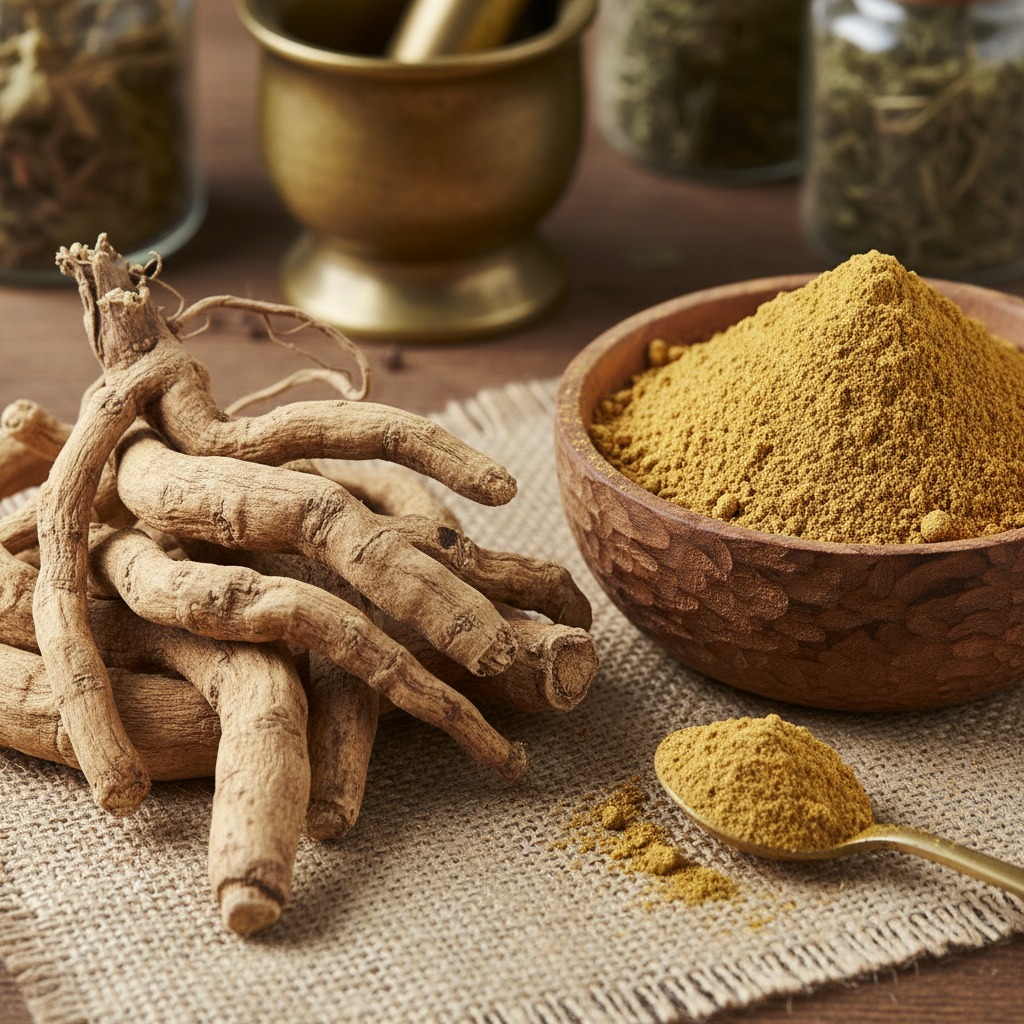
Ashwagandha is a classic herb from Ayurvedic medicine, traditionally used as a rasayana – a restorative tonic to build resilience, strength, and calm over time. The root is usually dried and turned into powders, capsules, or standardized extracts.
In modern herbal language, ashwagandha is known as an adaptogen: a plant that helps the body adapt to stress and supports balance in the stress response over the long term. While many practitioners and researchers use this term, some critics note that “adaptogen” does not have a strict regulatory or scientific definition and that more research is needed to fully understand how such herbs work. Instead of working like a strong sedative, ashwagandha acts more deeply on how the nervous system and hormones react to daily pressure.
What the research says
Ashwagandha is one of the best‑studied herbs for stress and anxiety. Several randomized controlled trials and meta‑analyses have looked at its effects on perceived stress, anxiety, sleep, and the stress hormone cortisol.
Some key findings:
- A meta‑analysis of randomized controlled trials found that ashwagandha supplementation significantly reduced stress and anxiety scores compared to placebo, and often also lowered blood cortisol levels. For example, participants taking standardized ashwagandha extract showed average reductions in Perceived Stress Scale (PSS) scores between 20% and 35%, while those on placebo saw a reduction of about 5% to 10%. Blood cortisol levels in the ashwagandha groups typically fell by an absolute 15% to 25% from baseline, compared to little or no change in the placebo groups.
- A review of clinical evidence in adults showed consistent improvements in Perceived Stress Scale (PSS) scores, anxiety questionnaires, and morning cortisol, with most studies using standardized root extracts for 6–12 weeks.
- Earlier trials reported that people taking ashwagandha felt calmer, less overwhelmed, and slept better, with relatively few side effects compared to conventional anxiolytic medication.
Put simply, for many people with ongoing stress, ashwagandha can make stress feel less intense over several weeks—both in how you feel and in lab results.
Neuropsychological & biochemical mechanisms
Ashwagandha’s main active compounds are withanolides (such as withaferin A, withanolide A, and withanolide D) and related sitoindosides. These seem to act on several stress‑related systems at once:
- HPA axis regulation
- Preclinical work shows that ashwagandha reduces stress‑induced surges of corticosterone (the rodent equivalent of cortisol), limits adrenal gland enlargement, and helps normalize dopamine, serotonin, and GABA levels under chronic stress.
- Withanolides appear to modulate CRH production and improve glucocorticoid receptor sensitivity, helping the HPA axis “reset” and restore feedback control so cortisol responses are more appropriate.
- GABAergic and anxiolytic effects
- Withanolides can interact with GABA_A receptors, enhancing GABAergic signaling in a way that produces anxiolytic effects similar to benzodiazepines, but generally with less sedation.
- This GABA‑mimetic activity likely contributes to the subjective calming effect many users report.
- Anti‑inflammatory and antioxidant actions
- Ashwagandha modulates inflammatory pathways like NF‑κB and activates antioxidant response elements such as Nrf2, reducing oxidative and inflammatory stress in the brain and body.
- It can influence pro‑inflammatory cytokine networks that are often elevated in chronic stress and depression.
All these actions show that ashwagandha helps calm an overactive stress response, boosts calming brain signals, and protects brain cells from stress‑related damage.
How people typically use it
Common forms
- Standardized capsules or tablets
- Powder (in warm plant milk, smoothies, or capsules)
- Liquid extracts/tinctures
If you prefer ashwagandha in tea form rather than capsules, try our Energy & Resilience Tea Blend that combines ashwagandha with rhodiola.
Typical study doses (for adults)
Most research has used:
- Around 300–600 mg per day of a standardized root extract, usually taken for 6–12 weeks.
Most clinical trials used around 300–600 mg of standardized ashwagandha root extract per day for at least 6–8 weeks.
When to take it
- Often taken in the evening or split morning + evening.
- If you feel too sleepy during the day, taking it only in the late afternoon or evening may be better.
Read the complete Ashwagandha Guide for extracts, safety & rituals.
Safety notes
Typical side effects in studies were mild:
- Digestive discomfort (nausea, soft stool)
- Occasional drowsiness or feeling “too relaxed” for intense concentration
Important cautions:
- Thyroid issues: Ashwagandha may stimulate thyroid function. People with hyperthyroidism or on thyroid medication should only use it under medical supervision.
- Autoimmune conditions: because of immunomodulatory effects, people with autoimmune diseases should be cautious and consult a doctor.
- Pregnancy and breastfeeding: generally not recommended due to limited safety data.
- Sedative combinations: caution with strong sedatives (benzodiazepines, heavy sleep medication).
Safety reminder
Ashwagandha isn’t right for everyone. Don’t use it if you’re pregnant or breastfeeding, and be cautious if you have thyroid or autoimmune issues, or if you take strong medicines for anxiety, sleep, or your immune system. Always check with a doctor or pharmacist before starting a new supplement.
2. Rhodiola (Rhodiola rosea)
Best for: stress with fatigue, feeling drained or close to burnout, low mood, long work or study days.
What it is
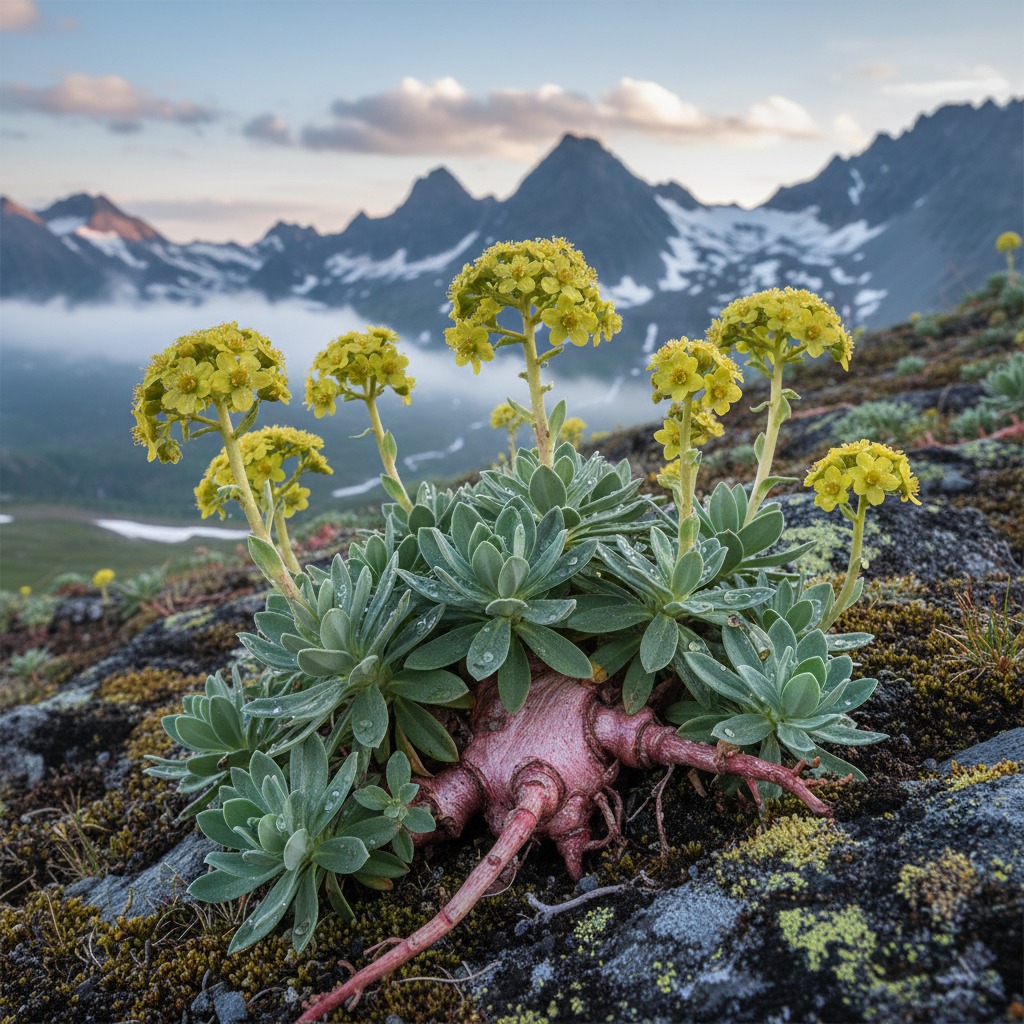
Rhodiola is a hardy plant that grows in cold, mountainous regions of Europe and Asia. Traditionally, it was used by people living in harsh climates to improve endurance, resilience, and mental performance.
Like ashwagandha, rhodiola is considered an adaptogen: it supports the body in adapting to physical, emotional, and mental stress over time. Compared to other calming herbs, rhodiola is often described as more uplifting and energizing, especially for people who feel exhausted and flat
What the research says
Rhodiola has been studied in people with stress, fatigue, and mild anxiety. A 2022 review of clinical research concluded that Rhodiola rosea preparations can reduce stress symptoms, anxiety, and fatigue, and improve overall well‑being.
Highlights:
- Adults with life‑stress or burnout‑like symptoms who took rhodiola often reported less fatigue, better mood, and improved functioning at work within a few weeks.
- Changes were seen both in questionnaires and in practical outcomes like productivity and perceived quality of life.
- The European Medicines Agency recognizes rhodiola as a traditional herbal medicinal product for the temporary relief of stress symptoms.
Neuropsychological & biochemical mechanisms
Rhodiola contains several key compounds, including rosavins and salidroside, that interact with stress biology on multiple levels.
- HPA axis and stress gene modulation
- Animal studies show that rhodiola can dampen corticosterone/cortisol responses to acute mild stress and alter the expression of stress‑responsive genes in the hippocampus, prefrontal cortex, and amygdala.
- A mechanistic review notes that adaptogens like rhodiola interfere with excessive HPA activation by reducing CRH and cortisol, and by influencing stress‑activated protein kinases (SAPK/JNK), nitric oxide, and inflammatory cytokines.
- Neurotransmitters and monoamine systems
- Rhodiola appears to inhibit monoamine oxidase A and B (MAO‑A/B), enzymes that break down serotonin, dopamine, and norepinephrine, potentially increasing their levels.
- It may also stimulate receptors for noradrenaline, serotonin, dopamine, and acetylcholine, supporting mood, focus, and cognitive function under stress.
- BDNF and neuroplasticity
- Experimental work suggests that rhodiola increases brain‑derived neurotrophic factor (BDNF), which supports neuronal survival, plasticity, and the growth of new connections.
- A human study found that rhodiola can alter cortical plasticity as measured by TMS/tDCS, which might relate to its mood‑ and stress‑modulating effects.5
- Mitochondria and oxidative stress
- Rhodiola extracts have been shown to scavenge reactive oxygen species (ROS), improve mitochondrial bioenergetics, and promote neurite outgrowth in neuronal cell lines exposed to corticosteroid‑induced stress.
Taken together, rhodiola helps manage stress in three ways: it calms the body’s stress response, supports mood-related brain chemicals and growth factors, and protects brain cells and energy centers from damage.
How people typically use it
Common forms
- Standardized dry extracts in capsules or tablets
- Occasionally liquid extracts
Typical study doses (for adults)
Many trials used:
- Around 200–400 mg/day of a standardized extract (often 3% rosavins, 1% salidroside) for 2–12 weeks.
Many studies used 200–400 mg of standardized rhodiola extract per day, usually for at least 2–4 weeks.
When to take it
- Rhodiola can be a bit energizing, so it’s best to take it in the morning or early afternoon—not before bed.
Safety notes
Extra cautions:
- Bipolar disorder or strong mood swings: any stimulating adaptogen could, in theory, shift mood; medical guidance is essential.
- Multiple medications: due to possible effects on monoamines and stress pathways, people on several psychotropic drugs should consult a doctor.
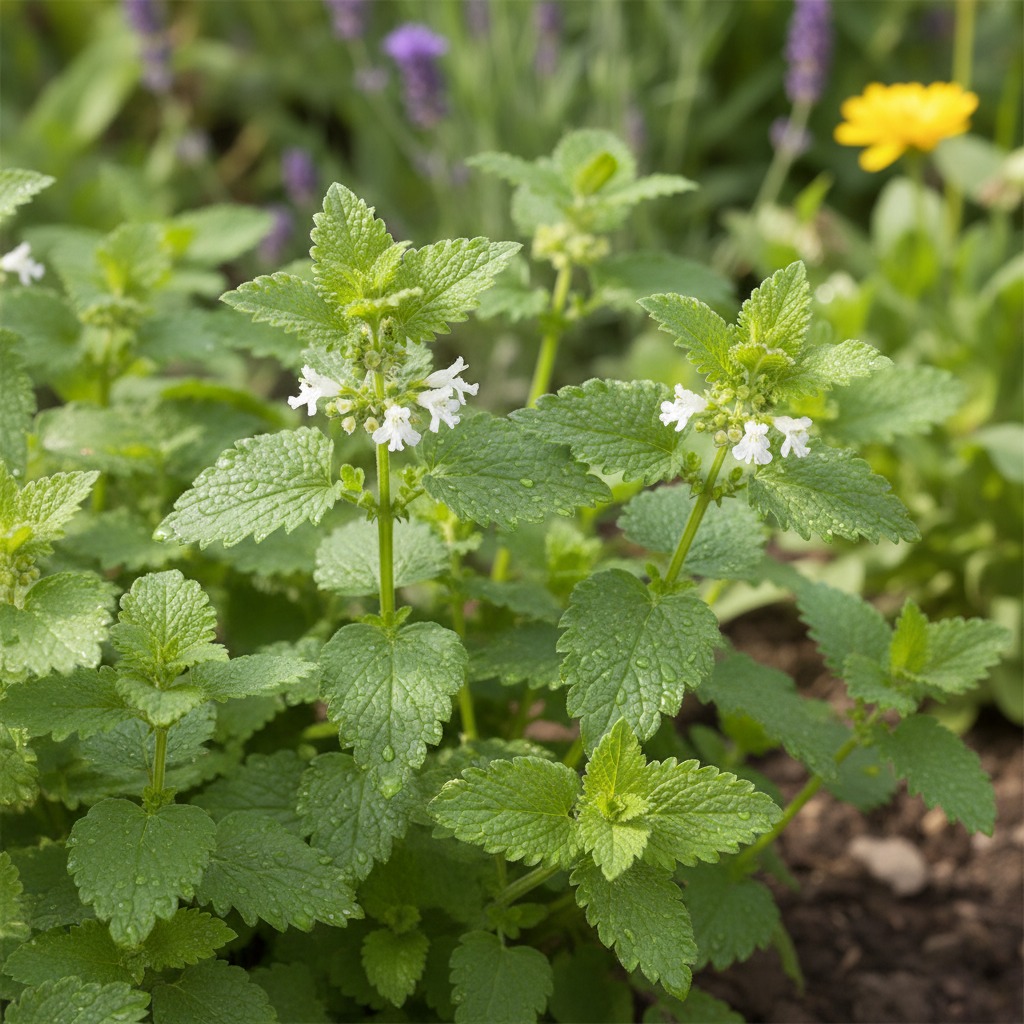
3. Lemon Balm (Melissa officinalis)
Best for: gentle daytime calm, nervous tension, mild anxiety, digestive stress, and supporting sleep.
What it is
Lemon balm is a fragrant member of the mint family with a fresh lemony scent that invites relaxation. Traditionally, it has been used as a “nervine” – a herb that soothes the nervous system – and also for mild digestive discomfort linked to stress.
Lemon balm isn’t as strong as some sedatives, so it’s a good option for people who want gentle, everyday support—whether as tea, tincture, or capsules.
What the research says
Lemon balm has gained attention for its potential to reduce anxiety and improve mood and sleep. A systematic review and meta‑analysis of clinical trials found that Melissa officinalis significantly reduced anxiety and depressive symptoms compared to placebo, with a good safety profile.
Several studies using standardized lemon balm extracts showed improvements in:
- Anxiety and restlessness
- Sleep quality
- Calmness and cognitive performance under acute stress
A 2024 review emphasized lemon balm’s GABAergic activity and its relevance for mild anxiety and stress‑related sleep problems.
Neuropsychological & biochemical mechanisms
The calming effects of lemon balm seem to be closely tied to GABA, the main inhibitory neurotransmitter in the brain.
- Inhibition of GABA transaminase (GABA‑T)
- Lemon balm extracts have been shown in vitro to inhibit GABA transaminase (GABA‑T), the enzyme that breaks down GABA.
- Key compounds like rosmarinic acid, ursolic acid, and oleanolic acid contribute to this activity.
- By inhibiting GABA‑T, lemon balm may increase GABA levels and prolong its calming effect in the brain.
- Broader GABAergic modulation
- A recent review notes that lemon balm influences GABAergic activity by both enhancing GABA itself and modulating enzymes and receptors in the GABA system.
- This makes its action somewhat comparable (though milder) to certain pharmaceutical anxiolytics that work via GABA pathways.
- Antioxidant and anti‑inflammatory actions
- Polyphenols like rosmarinic acid also provide antioxidant and anti‑inflammatory effects, which may protect neurons under chronic stress conditions and support overall brain health.
In short, lemon balm helps the brain relax by gently increasing calming signals and providing antioxidant support.
How people typically use it
Common forms
- Lemon balm is gentle enough for daily use in tea form. For a complete DIY stress tea recipe using lemon balm, see our Evening Calm Blend.
- Capsules or tablets with standardized extract
- Liquid extracts/tinctures
Typical study doses (for adults)
Studies have used:
- Around 300–600 mg of lemon balm extract per dose, sometimes up to about 1.600 mg/day in short‑term studies for acute stress.
- Traditional tea: 2–3 cups per day made from 1–2 teaspoons dried herb (or a handful of fresh leaves) per cup.
Safety notes
Lemon balm is safe for most adults, even in the amounts used for tea. It’s gentle and has a very low risk of serious side effects, making it a good choice for people new to using herbs for stress.
Possible mild effects:
- Rare digestive upset or drowsiness.
- Because of some thyroid‑related findings in preclinical work, people with serious thyroid disease should discuss use with a healthcare professional.
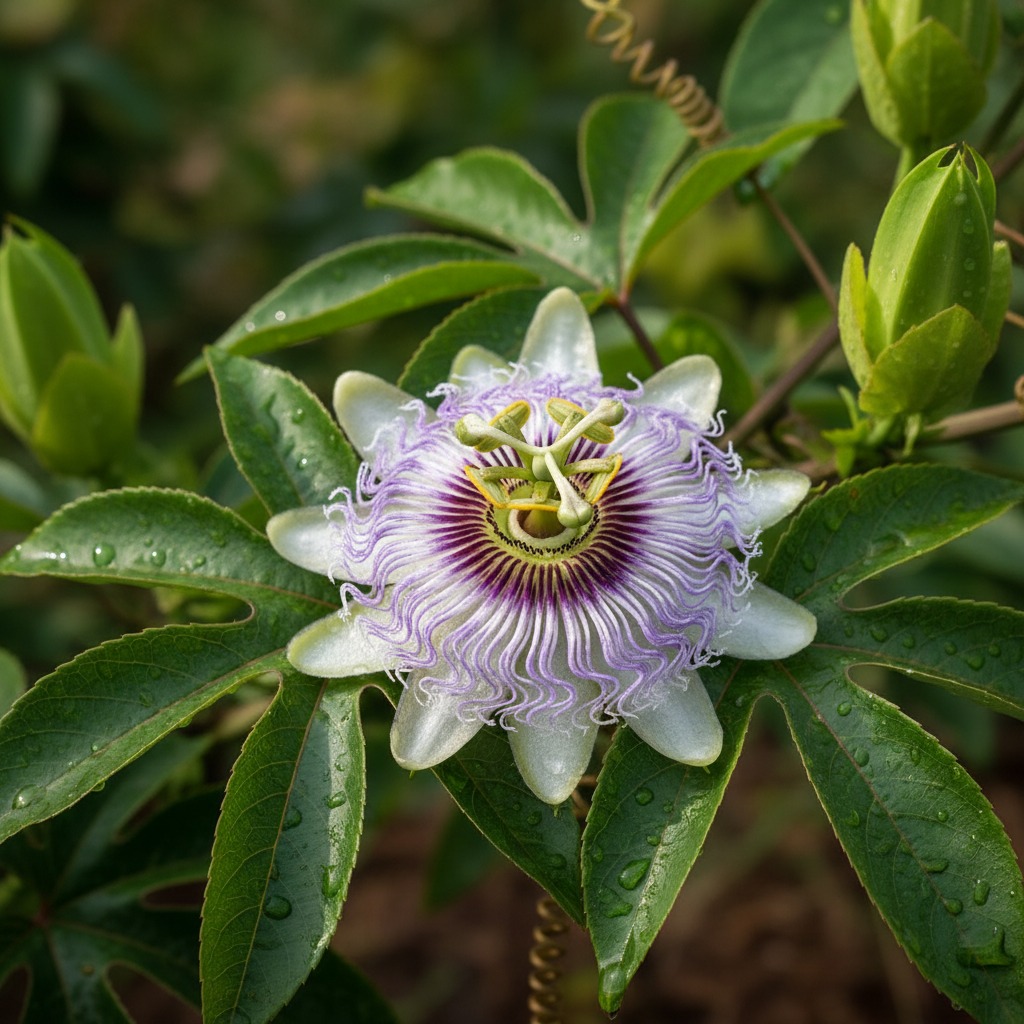
4. Passionflower (Passiflora incarnata)
Best for: stress with a racing mind, difficulty falling asleep, and nervous restlessness.
What it is
Passionflower is a climbing plant with striking, almost otherworldly flowers. In herbal medicine, the aerial parts are used as a calming, mildly sedating nervine. It is especially valued when stress appears as a busy mind, inner agitation, and trouble falling asleep.
What the research says
Modern studies are beginning to confirm the traditional use of passionflower for anxiety and sleep:
- A randomized, double‑blind, placebo‑controlled trial (2024) found that a standardized Passiflora incarnata extract significantly reduced stress scores and improved total sleep time compared to placebo in adults with stress and insomnia.
- Earlier clinical trials reported anxiolytic effects comparable to benzodiazepines in some settings, though the evidence base is still smaller than for ashwagandha or lavender. For example, in a randomized controlled trial, passionflower extract reduced Hamilton Anxiety Rating Scale (HAM-A) scores by an average of 10–12 points over four weeks, while oxazepam, a benzodiazepine, reduced scores by about 11–14 points in the same period. In this study, the difference between groups was not statistically significant, highlighting comparable potency but with a gentler side effect profile for passionflower.
- Reviews on herbs for stress highlight passionflower as a promising option for anxiety and sleep disturbance, mediated largely through the GABA system.
Neuropsychological & biochemical mechanisms
Passionflower seems to act primarily through modulation of GABA receptors and GABA signaling.
- Direct effects on GABA_A and GABA_B receptors
- In vitro work shows that passionflower extracts can elicit GABA currents in hippocampal neurons, indicating direct action on GABA receptors.
- Some studies show binding to the benzodiazepine site of the GABA_A receptor, and modulation of both GABA_A and GABA_B receptor currents.
- Flavonoids in passionflower (e.g., vitexin, isovitexin, orientin) are likely important for these effects.
- GABA‑mediated anxiolysis
- Animal studies demonstrate that the anxiolytic effect of passionflower can be blocked by flumazenil, a benzodiazepine‑site antagonist at GABA_A receptors, supporting a GABA‑mediated mechanism.
- This suggests a pharmacology somewhat analogous to benzodiazepines but with a different and generally milder profile.
Because of this, passionflower acts like a natural ‘brake pedal’ for the brain’s anxiety and overactivity, especially in areas linked to emotions and stress, like the limbic regions, such as the amygdala and hippocampus.
How people typically use it
Common forms
- Tea from dried aerial parts
- Tinctures (liquid extracts)
- Capsules with standardized extract
Typical study doses (for adults)
- Standardized extracts around 250–500 mg, once or twice daily, over several weeks.
- Traditional infusions: about 1–2 g of dried herb per cup, up to a few times daily.
Safety notes
Passionflower is generally well tolerated, but it can be more sedating than lemon balm.
Possible effects:
- Drowsiness, especially at higher doses or when combined with other calming agents
- Dizziness in some people
Cautions:
- Avoid driving or operating machinery until its effects are known.
- Use care with other sedatives (benzodiazepines, strong sleep medications, alcohol).
- Due to limited data, it is generally avoided in pregnancy unless medically supervised.
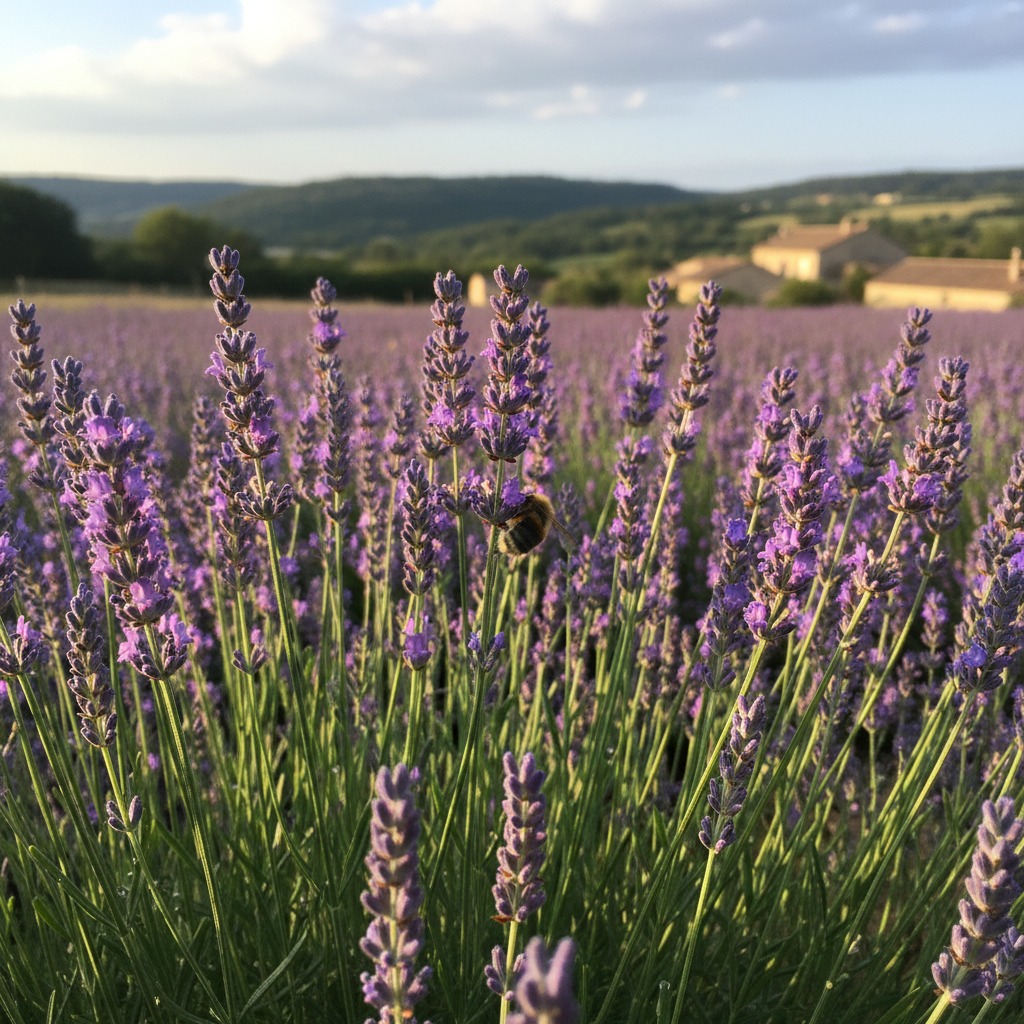
5. Lavender (Lavandula angustifolia) – Especially Silexan
Best for: generalized anxiety, mental tension, and sleep difficulties linked to anxiety.
What it is
Lavender is widely known as the scent of calm: lavender fields, sachets in wardrobes, drops of oil on a pillow. In herbal medicine, both the aroma and ingested preparations are used for relaxation.
The strongest clinical data comes from Silexan, a specific, standardized lavender essential oil preparation used in capsule form. This differs from simply swallowing any essential oil; Silexan has a defined composition and dosage. Silexan’s clinical results cannot be generalized to grocery-store lavender oil supplements or unstandardized essential oil capsules. For both safety and effectiveness, only the branded Silexan product used in studies should be considered interchangeable with the evidence presented here.
What the research says
Lavender, particularly as Silexan, has been well studied in anxiety:
- In a large randomized, double‑blind trial with 539 adults with generalized anxiety disorder, Silexan (80–160 mg/day) significantly reduced Hamilton Anxiety (HAM‑A) scores compared to placebo and was comparable to paroxetine (an SSRI), with fewer side effects.
- Another trial showed similar anxiolytic effects of Silexan compared to lorazepam (a benzodiazepine), but without the same sedative or dependence risks.
- A 2023 meta‑analysis found that Silexan has a clinically meaningful anxiolytic effect in generalized anxiety and subthreshold anxiety, with good tolerability.
- Lavender aromatherapy itself (without oral capsules) also shows promise for reducing stress and anxiety in various settings.
Neuropsychological & biochemical mechanisms
Lavender’s main active components are linalool and linalyl acetate, which influence multiple systems involved in anxiety and stress.
- GABAergic and glutamatergic modulation
- Linalool has been shown to enhance GABA_A receptor currents in vitro, acting as a positive allosteric modulator, and to suppress excitatory glutamate receptor function.
- This dual effect – boosting inhibition (GABA)This combination—boosting calming signals (GABA) and reducing stimulating ones (glutamate)—helps explain lavender’s relaxing and anxiety-reducing effects. Pharmacological studies of Silexan also suggest it moderately inhibits voltage‑dependent calcium channels, similar in some ways to pregabalin.
- By reducing calcium influx, Silexan can dampen excessive neurotransmitter release, stabilizing overactive stress circuits.
- Serotonin (5‑HT1A) and monoamines
- Silexan has been found to increase 5‑HT1A receptor density and reduce 5‑HT1A binding potential, changes associated with increased extracellular serotonin.
- There is also evidence that Silexan modulates serotonin, dopamine, and norepinephrine levels, aligning its profile more closely with conventional antidepressant and anxiolytic drugs than with many other herbs.
- Limbic system effects via aroma.
- Inhaled lavender has a direct pathway via the olfactory bulb to the limbic system, especially the amygdala and hippocampus, allowing rapid influence on emotional processing and anxiety states.
Overall, lavender—especially in standardized capsules—works in several ways: it affects calming and stimulating brain chemicals, calcium channels, and serotonin, while aromatherapy also influences the brain’s emotional centers through smell.
How people typically use it
Common forms
- Silexan capsules (standardized oral lavender oil)
- Lavender tea from the flowers
- Aromatherapy (diffuser, pillow spray, bath)
Typical study doses (for adults)
- Most clinical trials used 80–160 mg Silexan per day for 6–10 weeks.
Safety notes
Lavender is generally well tolerated.
Possible side effects:
- Mild digestive upset
- “Lavender‑tasting” burps or reflux from oral oil
Important cautions:
- Silexan data does not automatically apply to any random essential oil; swallowing unstandardized oils is not recommended.
- People with known lavender allergy should avoid it.
- Aromatherapy oils should always be properly diluted before skin contact.
How to Choose the Right Herb for You
With five solid options, this simple overview can help:
| Main issue | Best herbs | Notes |
|---|---|---|
| Wired, can’t switch off | Ashwagandha | Evening or split dose |
| Burned out, exhausted | Rhodiola | Morning use, can feel energizing |
| Gentle daytime calm | Lemon balm | Tea or capsules, very gentle |
| Racing thoughts at night | Passionflower, Lemon balm | Use in the evening as a wind-down |
| Generalized anxiety & sleep | Lavender (Silexan), aromatherapy | Standardized oral dose + aroma |
General guidelines:
- Try one herb at a time, so you can tell what actually helps you.
- Give each herb at least 4 to 8 weeks, especially for adaptogens like ashwagandha and rhodiola.
- Along with herbs, stick to the basics for your nervous system: keep regular sleep hours, get daylight, move your body, eat balanced meals, and set limits for work and screen time.
These herbs can be taken as supplements, tinctures, or teas. If you’d like to try them in tea form, check out our 3 DIY Stress Relief Tea Recipes for ready-to-use blends.
Safety, Interactions, and When to Seek Help
Even though herbs are natural, they still affect your body:
- Check interactions if you use antidepressants, anti‑anxiety drugs, sleep medication, blood pressure medication, anticonvulsants, or immune‑modulating drugs.
- In pregnancy and breastfeeding, many herbs are not well studied and are not automatically safe.
- Severe symptoms (suicidal thoughts, severe depression, panic attacks, psychosis, inability to function) are medical emergencies and need professional help, not self‑treatment with herbs alone.
Herbs work best when they’re part of a bigger care plan that might also include therapy, lifestyle changes, and sometimes medication.
Final Thoughts: Top 5 Herbs for Stress Relief: Herbs as Gentle, Brain-Friendly Helpers
Stress cannot be resolved simply with a pill or a cup of tea. It is influenced by your nervous system, body chemistry, life experiences, and environment. Certain herbs, such as ashwagandha, rhodiola, lemon balm, passionflower, and lavender, provide gentle, research-supported benefits. These herbs help balance stress hormones, calm the mind, support mood, and protect brain cells from damage.
When used wisely—in safe amounts, with attention to safety, and as part of daily routines—these herbs can genuinely help you build resilience. Over time, these small rituals can help your brain and body remember what calm feels like, making relaxation more common and familiar.