More than 3,000 years ago, tulsi was revered across India as the Queen of Herbs — a sacred plant placed at the centre of temples, tended to daily as a spiritual practice, and trusted to heal everything from fevers to a troubled mind. For millennia, this reputation lived in tradition and oral knowledge. Today, modern science is catching up, and what it’s finding is remarkable: tulsi (Ocimum tenuiflorum) is one of the most thoroughly studied adaptogens in the world, with documented effects on cortisol regulation, immune function, cognitive performance, and more.
What makes tulsi particularly special in 2026 is how effortlessly it bridges two worlds — the ancient and the evidence-based. It’s a plant with genuine spiritual roots and genuine clinical research behind it. It’s powerful enough to meaningfully shift your stress response, yet gentle enough for daily use. And it grows happily on a sunny windowsill, which means you don’t need a pharmacy or a specialist supplier to access it.
In this Tulsi (Holy Basil) complete guide, you’ll learn everything worth knowing about tulsi: how to identify and grow it, where it comes from, what the science actually says about its benefits, how to use it safely, and how it compares to other adaptogens in your herbal toolkit. I’ve linked out to related guides throughout — including my Adaptogens for Steady Energy article and Top 5 Herbs for Stress Relief — so you can build a complete picture at whatever depth suits you.
Scroll to the section that interests you most, or read through from start to finish for the full story.
Table of Contents
1. Botanical Profile: What Exactly Is Tulsi?
Scientific Name & Family
Tulsi’s scientific name is Ocimum tenuiflorum, sometimes also referred to as Ocimum sanctum — the second name being a nod to its sacred status (sanctum means holy in Latin). It belongs to the family Lamiaceae, the mint family, which makes it a botanical relative of peppermint, spearmint, lavender, rosemary, and — perhaps most intuitively — culinary basil. That family connection explains the characteristic square stem and the intensely aromatic leaves, both defining features of Lamiaceae plants.
Varieties
Not all tulsi is the same. There are four main varieties, each with a slightly different flavour profile and phytochemical composition:
- Rama Tulsi — green leaves, the mildest and most approachable flavour, most commonly available in Europe; a good starting point if you’re new to the plant
- Krishna Tulsi — deep purple leaves, the most pungent aroma, highest concentration of eugenol (the compound responsible for that distinctive clove-like note); often considered the most medicinally potent variety
- Vana Tulsi — the wild variety, softer flavour with a light citrus undertone; less commonly cultivated but considered sacred in its own right
- Kapoor Tulsi — the most widely grown for commercial purposes and supplement production; high yield, stable phytochemical profile
For home growing, Rama or Kapoor tulsi are the most practical choices. Krishna tulsi is worth seeking out if you want the strongest flavour for tea and the richest eugenol content.
Identification Features
As a landscape architect, I find botanical identification one of the genuinely satisfying parts of working with herbs — learning to read a plant’s identity through its physical structure. Here’s what to look for with tulsi:
- Stem: Distinctly square in cross-section (a hallmark of the Lamiaceae family), covered in fine hairs, green or purple depending on variety
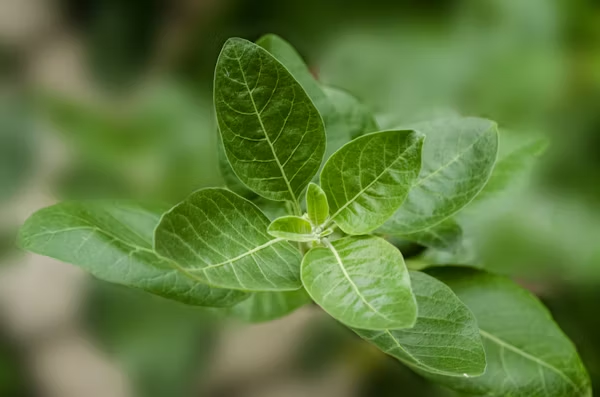
- Leaves: Elliptical, 3 to 8 cm long, with gently serrated (toothed) margins; slightly hairy on both sides; intensely aromatic when crushed between the fingers
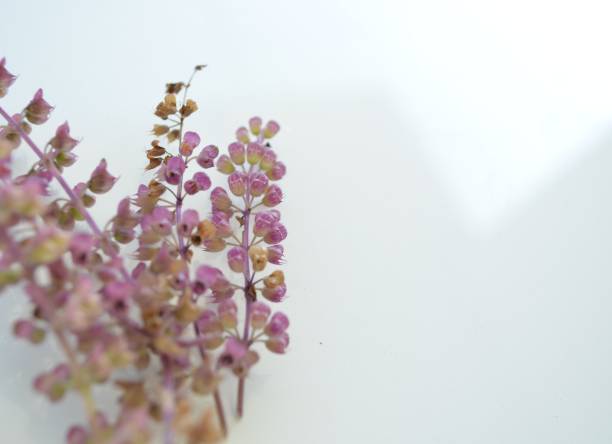
- Flowers: Small, tubular blooms in white, light purple, or pale pink, arranged in terminal spikes 4 to 12 cm long; these flower spikes appear in late summer and are worth pinching off if you want the plant to keep producing leaves
- Scent: The defining characteristic — a complex, warm, spicy-sweet aroma with clear notes of clove (from eugenol) and a subtle peppery warmth underneath
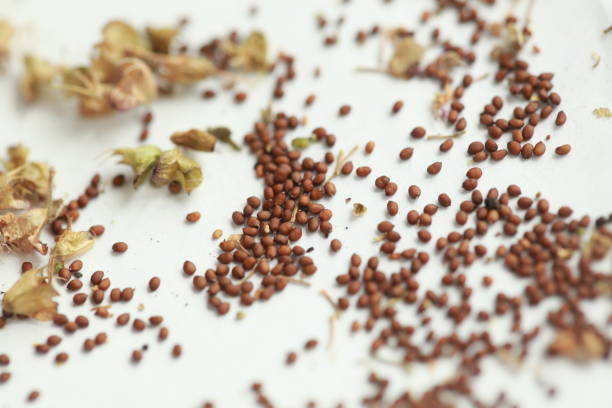
- Seeds: Tiny brown or purple nutlets, 0.8 to 1.2 mm, produced after flowering
If you ever find yourself unsure whether a plant is tulsi or culinary basil (Ocimum basilicum), the smell settles it immediately. Culinary basil is sweet and anise-like; tulsi is warmer, spicier, and distinctly medicinal.
2. Origin & Distribution: Where Does Tulsi Grow?
Native Range
Tulsi is indigenous to the tropical and subtropical regions of Asia — primarily India, Nepal, Sri Lanka, Bangladesh, Thailand, and Indonesia. It’s been cultivated in India for so long that the line between wild and cultivated has blurred considerably; you’ll find it growing in temple courtyards, kitchen gardens, and along roadsides with equal ease.
Beyond Asia, it has naturalised in parts of tropical America, Australia, and islands across the western Pacific, typically following human migration and trade routes.

Habitat
In the wild, tulsi is what botanists call a ruderal plant — a species that thrives on disturbed ground. You’ll find it colonising field edges, roadsides, cleared forest patches, and waste ground across tropical Asia. It favours warm, humid climates with well-draining soil and plenty of direct sun, but it’s more adaptable than its tropical origins suggest.
3. How to Grow & Identify: Tulsi at Home
This is where the landscape architecture perspective comes in handy. Growing tulsi at home isn’t difficult, but understanding what the plant actually needs — rather than just following generic advice — makes the difference between a thriving herb and a leggy, struggling one.
Growing Requirements
- Light: 4 to 6 hours of direct sun per day minimum. A south-facing windowsill is ideal; east-facing works well for gentler morning light. In low-light conditions, tulsi becomes spindly and produces fewer aromatic compounds — the same stress response that makes the essential oils medicinally valuable requires adequate sun to trigger
- Soil: Well-draining and fertile. A mix of standard potting compost, coarse sand or perlite, and a small amount of worm castings works well. The key is drainage — tulsi’s roots are highly sensitive to waterlogging
- Watering: Moderate. Let the top 2 to 3 cm of soil dry out between waterings. Consistent moisture is better than cycles of drought and flood, but overwatering is the most common mistake and leads quickly to root rot
- Temperature: A minimum of 15°C to survive; 20–30°C is the sweet spot for vigorous growth. Bring it indoors before the first autumn frost — tulsi has zero cold tolerance
Growing Step by Step
- Sow seeds in moist potting compost, approximately 0.5 cm deep
- Keep at 22°C or above; germination typically takes 7 to 14 days
- Once seedlings reach about 10 cm, pot on into individual containers
- Pinch out flower buds as soon as they appear — this redirects the plant’s energy into leaf production rather than seed setting, and significantly extends the productive season
- Prune regularly just above a leaf node to encourage bushy growth rather than a single tall stem
Harvesting & Storing
Harvest in the morning, when the concentration of essential oils in the leaves is at its peak — the plant produces more volatile oils overnight, and they haven’t yet evaporated in the midday heat. Snip whole stems rather than individual leaves for the best regrowth.
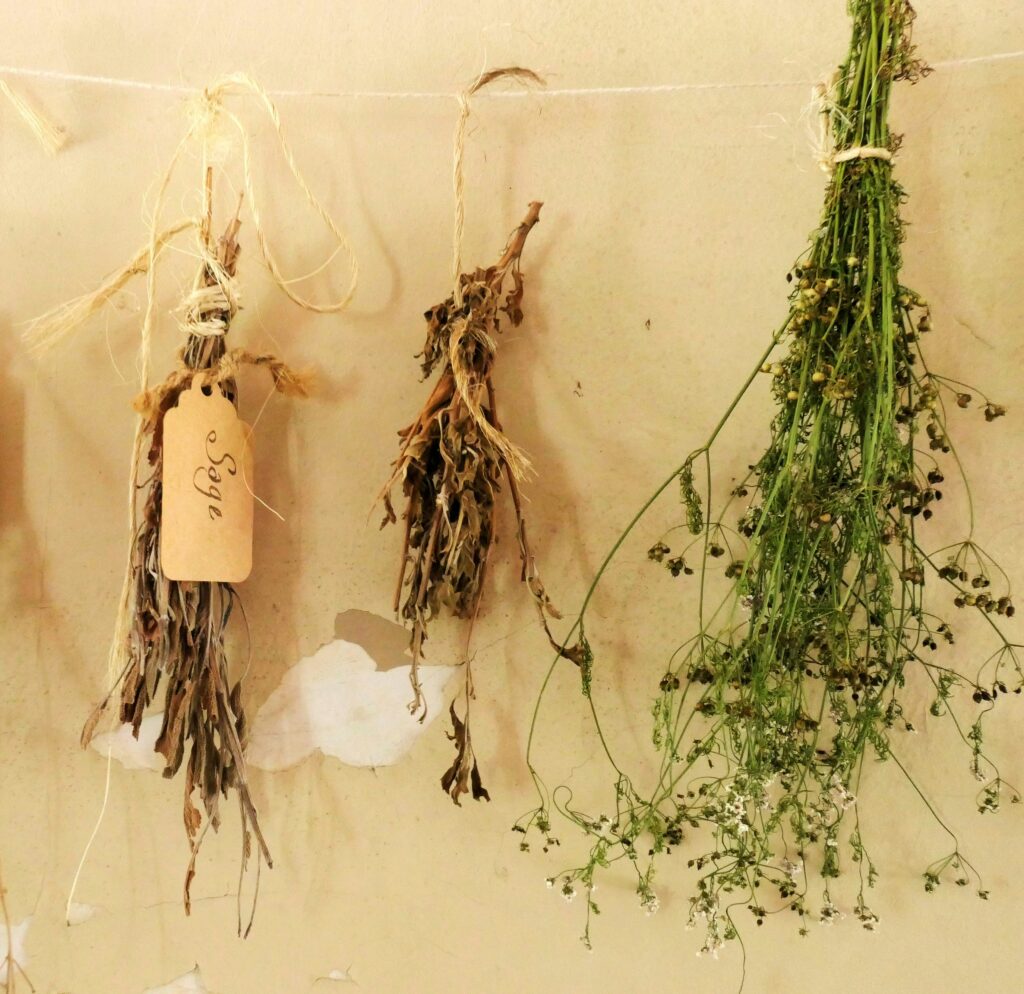
- Drying: Hang small bundles upside down in a warm, well-ventilated space away from direct light for 7 to 10 days. Store in an airtight glass jar in a cool, dark cupboard. Properly dried tulsi keeps its potency for 12 to 18 months
- Fresh storage: Wrap loosely in a slightly damp paper towel and keep in the refrigerator for up to one week
4. History & Cultural Significance
The Sacred Plant of India
Tulsi’s relationship with human culture stretches back further than any clinical study. For more than 3,000 years, it has occupied a central place in Hindu religious life. The plant is associated with Vrinda, a goddess of devotion, and is considered a manifestation of the divine feminine — specifically of Lakshmi, the goddess of abundance and wellbeing. In Hindu theology, the home that grows tulsi is considered blessed and protected.
The Sanskrit word “tulsi” is most commonly interpreted as meaning the incomparable one — a name that reflects not just reverence, but a genuine recognition of the plant’s uniqueness in the Indian materia medica. Almost every Hindu household and temple maintains at least one tulsi plant, and the daily ritual of offering water to it is considered a spiritual practice in its own right, not simply gardening.

Ayurvedic Tradition
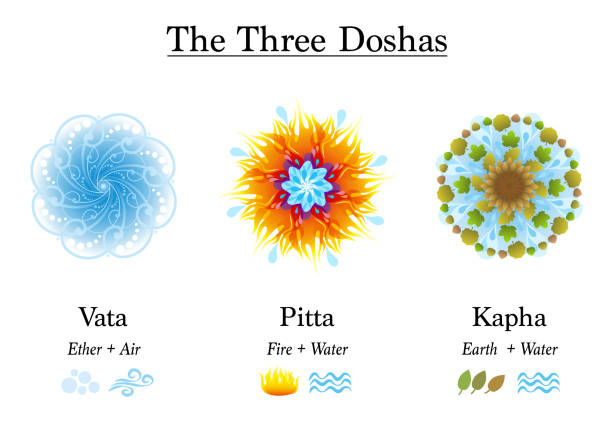
Within Ayurveda — India’s ancient system of medicine — tulsi is classified as a Rasayana herb. Rasayana is a category of special substances believed to promote longevity, strengthen vitality (called ojas in Sanskrit), and restore balance to the body’s three constitutional principles (doshas: vata, pitta, and kapha). It’s a classification reserved for a small number of exceptional plants and preparations.
Traditionally, tulsi was used to treat fevers, respiratory infections, digestive complaints, skin conditions, and heart health — a remarkably broad therapeutic range that, interestingly, maps quite well onto what modern research has since identified as its actual mechanisms of action. Ayurvedic practitioners also used it as a mental tonic, recommending it for clarity of mind and emotional stability — again, a traditional use now supported by clinical evidence.
Spread to the West
Tulsi’s journey into Western herbal medicine and supplement culture largely followed the wave of yoga and Ayurveda interest that swept through Europe and North America during the 1970s and 80s. Initially, it was primarily used within Indian diaspora communities and by practitioners of Ayurvedic medicine. By the 2000s, the first Western clinical studies began to appear, and the supplement industry took notice.
Today, tulsi is one of the fastest-growing herbs in the Western wellness market — driven by the same convergence of factors fuelling the broader adaptogen boom. For more context on that trend, see my Adaptogens for Steady Energy guide.
5. Proven Benefits: What Does the Science Say?
Stress & Cortisol (The Adaptogenic Effect)
This is where tulsi’s modern reputation is most firmly grounded. A clinical study published in the Journal of Ayurveda and Integrative Medicine found that tulsi supplementation reduced cortisol levels by up to 39% in chronically stressed participants. That’s a meaningful number — comparable in effect size to some pharmaceutical anxiolytics, but without the side effects or dependency risk.
To understand why that matters, it helps to understand what cortisol actually does. Cortisol is your primary stress hormone, released by the adrenal glands in response to signals from the brain. In short bursts, it’s genuinely useful — it sharpens attention, mobilises energy, and prepares you to handle a challenge. The problem arises when those bursts become continuous. Chronic cortisol elevation depletes key neurotransmitters like serotonin and dopamine, disrupts sleep architecture, suppresses immune function, impairs memory formation, and gradually wears down the very system that’s supposed to be protecting you.
Tulsi works on the HPA axis — the hormonal feedback loop connecting your hypothalamus, pituitary gland, and adrenal glands that governs cortisol release. Think of this axis as your body’s internal stress-management department. Tulsi’s active compounds help regulate how strongly and how long this system activates in response to stressors — essentially, they help your body stop overreacting. The result isn’t sedation; it’s a quieter, more proportionate stress response. The three key compounds responsible are eugenol (also responsible for that clove-like aroma), rosmarinic acid (shared with rosemary and lemon balm), and ursolic acid (a triterpene with broad anti-inflammatory action).
Compared to ashwagandha — the other major cortisol-regulating adaptogen — tulsi is generally considered gentler and faster-acting, with a more balanced profile across stress, immunity, and cognition. It’s an excellent starting point if you’re new to adaptogens, and a strong complement to ashwagandha in a more advanced stack. See my Ashwagandha Deep Dive for a direct comparison.

Immune System Support
Tulsi has a well-documented effect on immune function that operates through several distinct pathways. It increases the activity of T-cells (the immune cells responsible for identifying and destroying specific pathogens) and natural killer (NK) cells (the first-responder cells that attack abnormal or infected cells before the rest of the immune system has had time to mount a targeted response).
Eugenol — tulsi’s most abundant phenylpropanoid — also functions as a natural antiseptic. It has demonstrated antibacterial, antiviral, and antifungal activity in laboratory studies, which is part of why eugenol in its concentrated form has been used in dentistry for decades as an antiseptic and analgesic. In tulsi tea, the concentration is far lower, but the systemic anti-inflammatory and immune-modulatory effects of regular use are meaningful.
Digestion & Gut Health
Tulsi has a long traditional use for digestive complaints — bloating, cramping, indigestion, and nausea — and there is reasonable evidence supporting these applications. Its anti-inflammatory and antimicrobial properties likely play a role here, as does its ability to modulate gut motility (the rhythmic muscle contractions that move food through your digestive system). For a deeper exploration of herbs that support gut health, keep an eye out for my upcoming gut health article.
Cognition & Focus
Several randomised controlled trials have found that tulsi improves memory and cognitive function under conditions of stress. This is particularly relevant because stress is precisely when cognitive performance tends to deteriorate most severely — the cortisol flooding your system during a deadline or high-stakes situation actively impairs the prefrontal cortex, the brain region responsible for focus, decision-making, and working memory. By moderating the cortisol response, tulsi helps protect cognitive function in exactly the moments you need it most.
Beyond cortisol modulation, tulsi also has an anxiolytic effect — meaning it reduces anxiety symptoms — and a mild antidepressant action, likely mediated through its influence on serotonin and dopamine signalling. These aren’t dramatic, pharmaceutical-grade effects, but as consistent daily support they make a real difference in how clearly and calmly you can think. You’ll find practical applications of this in my Ginseng, Holy Basil & Lemon Balm Tea Rituals guide.
Additional Documented Effects
The research on tulsi is broader than most people realise:
- Blood sugar regulation: Multiple studies have found tulsi reduces fasting blood glucose and supports more stable blood sugar throughout the day — relevant both for metabolic health and for the steady energy levels that blood sugar fluctuations disrupt
- Cardiovascular support: Evidence for modest reductions in blood pressure and improvements in lipid profiles (cholesterol and triglycerides)
- Antimicrobial applications: Used topically as a wound-healing agent and in oral health preparations (mouthwashes, toothpastes) in Ayurvedic practice
- Organ protection: Animal studies suggest tulsi’s antioxidant compounds help protect against oxidative stress caused by environmental toxins — heavy metals, pollutants, and certain pharmaceutical agents
These findings come primarily from laboratory and animal studies — human clinical trials in this area are still in early stages.
6. How to Use It: Forms, Dosage & Recipes
Forms at a Glance
| Form | Dosage | Best For |
|---|---|---|
| Fresh leaves | 5–10 leaves per day | Daily ritual, culinary use |
| Dried herb (tea) | 1–2 tsp per 250 ml, 5–7 min steep | Stress relief, focus, everyday use |
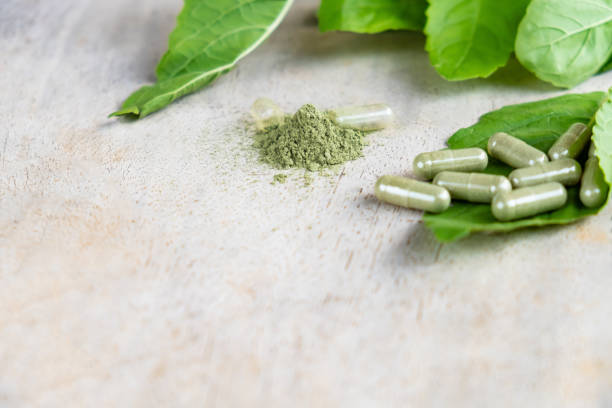
| Standardised extract (capsules) | 300–500 mg per day | Precision dosing, clinical-level effects |
| Essential oil | Diluted only, not for internal use | Aromatherapy, topical applications |
Simple Recipes
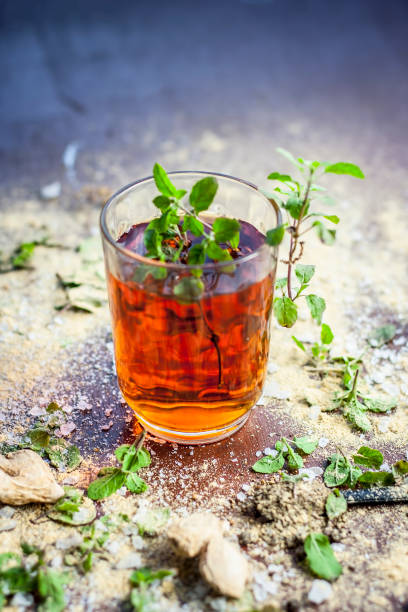
Tulsi Morning Tea: Add 1½ teaspoons of dried tulsi to 250 ml of freshly boiled water, add a thin slice of fresh ginger, and steep covered for 5 to 7 minutes. Strain, sweeten lightly with honey, and drink before or alongside breakfast. This is the recipe I detail fully in my Ginseng, Holy Basil & Lemon Balm Tea Rituals guide along with a complete afternoon ritual around it.
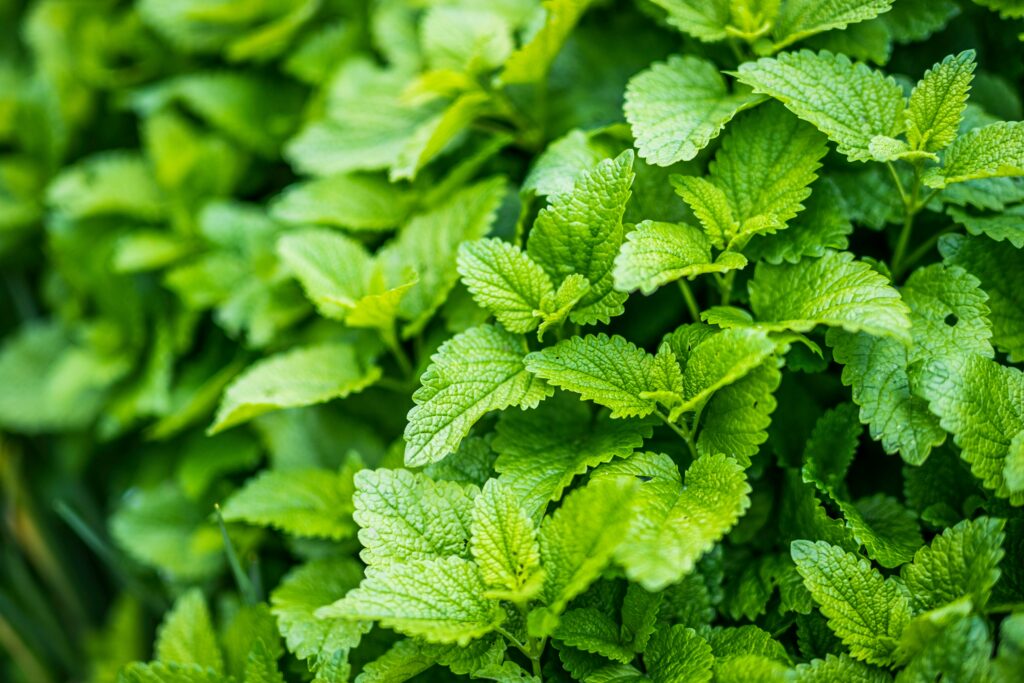
Tulsi-Lemon Balm Evening Blend: Combine 1 teaspoon of dried tulsi with 1 teaspoon of dried lemon balm and steep in 200 ml of 90°C water for 8 minutes. This pairing creates a complementary cortisol-calming effect — tulsi modulates the HPA axis while lemon balm raises GABA levels, supporting both mood and sleep quality. More on lemon balm’s mechanism in my Lemon Balm Guide.
Tulsi Cold Brew: Add 1 teaspoon of dried tulsi (or 8–10 fresh leaves) to 500 ml of cold water in a glass jar. Cover and refrigerate for 8 hours or overnight. Strain and drink throughout the morning. The cold brew method produces a lighter, more delicate flavour and preserves certain heat-sensitive compounds that are degraded by boiling water.
7. Safety, Side Effects & Interactions
Who Can Use Tulsi?
For healthy adults, tulsi is considered one of the safer medicinal herbs available — it has a long history of use as both a food and a medicine, which provides a meaningful safety track record that newer botanical supplements lack. One to two cups of tulsi tea per day, or a standardised extract at 300–500 mg, is well within the range studied in clinical trials without significant adverse effects.
If you’re new to tulsi, a two-to-four-week gradual introduction is sensible — start with one cup per day and observe how your body responds before increasing.
Precautions & Interactions
Some situations require more care:
- Blood thinners (warfarin, aspirin): Eugenol has mild anticoagulant (blood-thinning) properties that can interact with medication — monitor closely and consult your doctor
- Thyroid medication: High doses of tulsi may interfere with thyroid hormone levels in some individuals; use moderate amounts and discuss with your healthcare provider if you have thyroid conditions
- Pregnancy and breastfeeding: Avoid supplemental doses during pregnancy; culinary amounts in cooking or a single cup of mild tulsi tea is likely fine, but medicinal use should be discussed with a midwife or doctor
- Diabetes medication: Tulsi’s blood sugar-lowering effect can compound the action of diabetes medications — monitor blood glucose carefully if combining
A full guide to herb-drug interactions and safe herbal practice will be covered in my upcoming Herbal Safety 101 article.
8. Tulsi vs. Other Adaptogens
How does tulsi fit in relation to the other major adaptogens? Here’s a straightforward comparison:
| Tulsi | Ashwagandha | Rhodiola | |
|---|---|---|---|
| Primary effect | Stress + immunity | Sleep + cortisol | Fatigue + focus |
| Flavour | Spicy-sweet, clove-like | Bitter, earthy | Mildly bitter |
| Time to effect | 1–2 weeks | 4–8 weeks | 1–3 weeks |
| Best as tea | Yes | Less suited | Possible |
| Best for | Daily baseline calm, immune support | Deep recovery, sleep | Mental and physical performance |
| Learn more | This article | Ashwagandha Deep Dive | Rhodiola Deep Dive |
The short version: tulsi is the most versatile daily-use adaptogen of the three — broadly beneficial, gentle enough for consistent use, and the easiest to enjoy as a tea. Ashwagandha is the deeper intervention for chronic stress and sleep disruption. Rhodiola is the performance tool for acute mental and physical fatigue. Used together in a thoughtful stack, they cover almost every dimension of stress-related wellness. My Adaptogens for Steady Energy guide covers stacking protocols in detail.
9. FAQ
What’s the difference between tulsi and regular basil?
They’re different species with very different purposes. Regular culinary basil (Ocimum basilicum) is bred for flavour in cooking — sweet, anise-like, and mild. Tulsi (Ocimum tenuiflorum) has a stronger, spicier, clove-forward aroma and a completely different phytochemical profile. While you can technically eat both, only tulsi has the adaptogenic and medicinal properties described in this article. The smell alone tells you immediately which you’re dealing with.
Can I drink tulsi tea every day?
Yes — in fact, consistent daily use is how you get the most from it. One to two cups per day is a comfortable, safe amount for most healthy adults. Because tulsi works cumulatively by gradually modulating the HPA axis rather than triggering an acute response, regularity matters more than quantity.
Is tulsi the same as holy basil?
Yes — tulsi and holy basil are two names for the same plant, Ocimum tenuiflorum. “Holy basil” is the most common English name in Western markets, while “tulsi” is the Sanskrit/Hindi name used across South Asia. You’ll see both on supplement labels; they refer to identical botanical material.
How long until tulsi works?
For the cortisol-modulating and cognitive effects, expect meaningful results after 1 to 2 weeks of consistent daily use. Some people notice a subtle difference within a few days — particularly in the quality of their stress response during challenging moments. The immune-supportive effects build over a similar timeframe with regular use.
Can I combine tulsi with ashwagandha?
Yes, and it’s a well-regarded combination in both traditional Ayurvedic practice and modern adaptogen stacking. Tulsi covers the daytime stress and immunity angle; ashwagandha supports deeper recovery and sleep. Together, they address the full 24-hour cycle of your nervous system’s needs without overlapping or competing. Start with tulsi alone for two weeks before adding ashwagandha to make it easier to track how each herb affects you individually.
Start Your Tulsi Practice!
Tulsi isn’t a trend. It’s a 3,000-year-old plant with a track record that spans ancient temples, Ayurvedic medicine cabinets, and modern clinical trials. From cortisol regulation and immune protection to cognitive support and gut health, the breadth of what this single herb offers is genuinely unusual — and the fact that you can grow it on your windowsill and drink it as a daily tea makes it one of the most accessible entry points into herbal wellness that exists.
Whether you’re completely new to adaptogens or building a more sophisticated herbal stack, tulsi earns its place as a daily foundation. Start with one cup of morning tea, stay consistent for two weeks, and pay attention to how your stress response and mental clarity shift.
Have you already tried tulsi, or are you planning to? Drop a comment below and let me know how it goes — I always love hearing what people notice in those first few weeks. And if you’re saving this for later, pin it and bookmark the Adaptogens for Steady Energy guide for the full stacking context.